





So, What Is Vetiver?
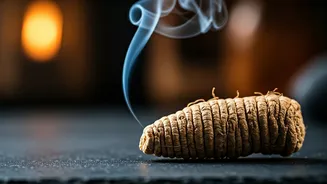
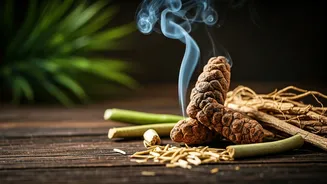
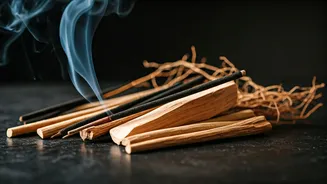
Forget the overly sweet florals or fruity scents that once defined home fragrance. Vetiver is their moody, sophisticated, and deeply complex cousin. Derived from the roots of a tall, perennial grass native to India (Chrysopogon zizanioides), its fragrance profile
is anything but simple. Think of a walk in a damp forest after the rain: it’s earthy, woody, and smoky, with subtle undertones of leather and green grass. For centuries, this ‘oil of tranquility’ has been a cornerstone of perfumery, prized for its ability to provide a rich, grounding base note. But its migration from personal fragrance to home scent marks a significant shift in our collective palate, moving away from light and airy towards something more substantial and grounding.
The Allure of 'Artisan' Incense
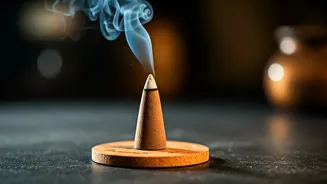
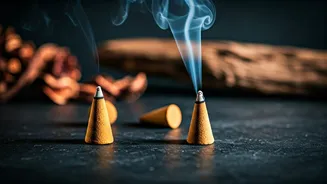
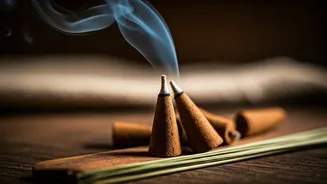
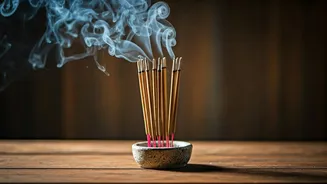
The other half of the story is the delivery system. These aren’t the mass-produced incense sticks you might remember from your college dorm. The trend leans heavily on ‘artisan’ or small-batch cones. What does that mean? It means a focus on natural, high-quality ingredients. Instead of synthetic fragrances and chemical binders, artisan makers often use pure plant resins, essential oils, and wood powders. This results in a cleaner, less acrid burn and a far more nuanced scent profile. The cones themselves are often presented as objects of beauty—small, sculptural pyramids that smoulder gently in bespoke ceramic or brass holders. The entire experience is a deliberate ritual, a stark contrast to the plug-and-play ease of an electric diffuser.
An Aesthetic of Earthy Comfort
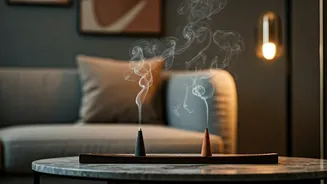
The popularity of vetiver incense is deeply connected to a broader aesthetic shift in interior design. We're seeing a collective turning away from stark, cold minimalism towards what designers are calling ‘warm minimalism’ or ‘Japandi’ style—a blend of Japanese and Scandinavian principles. This look prioritizes natural materials (wood, linen, clay), organic shapes, and a palette of earthy, muted tones. Vetiver is the olfactory equivalent of this aesthetic. Its deep, grounding aroma complements a room filled with natural textures and warm neutrals. It doesn't just scent a space; it enhances its intended atmosphere of calm, stability, and connection to the natural world. The visual of the smoking cone has become a key styling element, signifying a home that is not just clean, but soulful.
A Scent for Anxious Times?
There’s also a powerful wellness component at play. In aromatherapy, vetiver essential oil is renowned for its calming and grounding properties, often used to help soothe anxiety, stress, and mental fatigue. In a world of constant digital noise and persistent uncertainty, the act of lighting an incense cone has become a small, tangible ritual for reclaiming a moment of peace. The ten to twenty minutes it takes for a cone to burn becomes a forced pause—a window for meditation, reading, or simply being present. The choice of vetiver, with its anchoring scent profile, is no accident. It speaks to a collective craving for stability and a desire to create a sanctuary at home that feels safe, secure, and profoundly calming.
How to Choose Your Vetiver
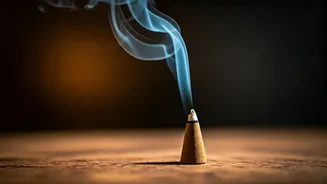
Intrigued? When shopping for vetiver incense, look for brands that are transparent about their ingredients. The best ones will list natural components like makko powder (a combustible tree bark) and pure vetiver oil, rather than ‘fragrance oil’. Be prepared for a scent that is more subtle and complex than synthetic alternatives. When you burn it, make sure you use a heat-proof dish or a dedicated incense holder to catch the ash. Let the cone burn for about 10 seconds before gently blowing out the flame, allowing it to smoulder. Because the aroma is rich and tenacious, you don’t need to burn it for long to fragrance a room. A single cone can be enough to set a calming mood that lingers for hours.