






Understanding the Root of the Problem
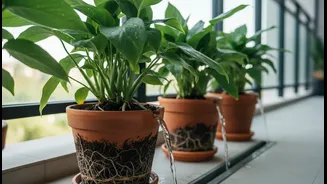
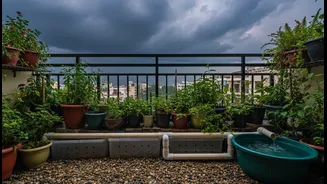
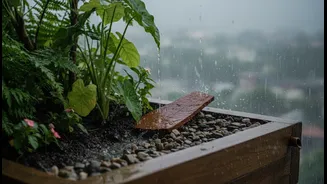
The primary enemy of container plants during the rainy season is not just the water, but the lack of oxygen it causes. When soil in a pot becomes saturated, the air pockets that roots need to breathe disappear. This condition, known as waterlogging, can
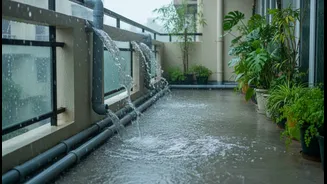
lead to root rot, a fungal disease that can quickly prove fatal. Balcony plants are especially vulnerable because, unlike plants in the ground, their roots are confined, and excess water has limited places to go. Recognising the early signs—like wilting leaves despite wet soil, or yellowing lower leaves—is the first step to intervention.
The Foundation: Your Pot and Potting Mix
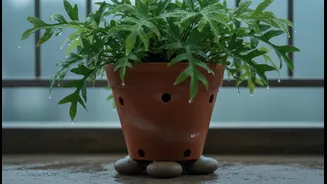
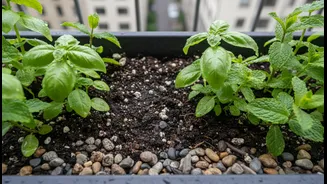
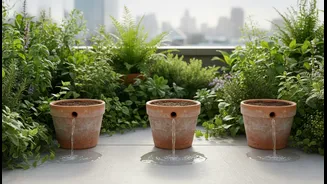
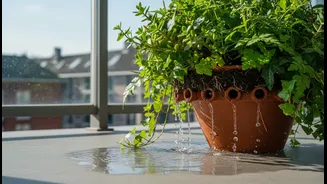
A healthy garden starts from the ground up, and in this case, that means your pot and the soil within it. First, ensure every single pot has drainage holes—this is non-negotiable. Without an exit route, water will pool at the bottom, creating a swampy environment. Next, reconsider your soil. Heavy, dense garden soil often compacts in pots, turning to mud during the monsoon. A far better choice for Indian climates is a lighter, soilless potting mix. You can create an excellent blend by combining ingredients like coco peat (for moisture retention), compost or vermicompost (for nutrients), and an aeration agent like perlite, coarse sand, or rice husks to keep the mix light and fast-draining.
A Simple Lift Can Make a Big Difference
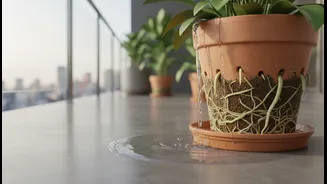
One of the most effective yet simple changes you can make is to elevate your pots. When a planter sits flat on a balcony floor, the drainage holes can easily get blocked or the water can pool underneath, preventing it from escaping effectively. This trapped moisture keeps the base of the pot constantly wet. By lifting your containers even a few centimetres off the ground, you create crucial space for water to drain away freely and for air to circulate underneath. You don’t need anything fancy; pot feet, bricks, flat stones, or even sturdy plastic bottle caps can do the job perfectly.
Adjust Your Watering Habits
It’s a common misconception that you can stop watering your plants entirely during the monsoon. Depending on your balcony's exposure, some pots might be shielded from the rain and can still dry out. Conversely, watering a plant that has already been soaked by a downpour is a recipe for disaster. The golden rule is to abandon a fixed schedule and check the soil manually. Insert your finger about an inch or two into the soil. If it feels damp, leave it alone. This simple test prevents the most common mistake: killing plants with kindness through overwatering.
Strategic Shelter and Maintenance
Not all plants enjoy a constant downpour. Succulents, for instance, and other drought-tolerant varieties can be particularly sensitive to excessive rain. If possible, move these more delicate plants to a sheltered spot under an overhang or closer to a wall during periods of heavy, continuous rain. The high humidity of the monsoon also creates ideal conditions for fungal diseases and pests. Make it a habit to regularly inspect your plants, removing any yellowing leaves, dead flowers, or diseased foliage promptly to improve air circulation and prevent problems from spreading. Finally, regularly loosen the top layer of soil with a small tool if it becomes hard and compacted by the force of the rain, as this will help aeration.