








The Evidence of a Generational Shift
The data is clear: modern travellers, particularly Gen Z and Millennials, are swapping sightseeing itineraries for immersive activities. Recent travel reports from 2026 show that for this cohort, the 'what' of a holiday often comes before the 'where'.
Instead of picking a country and then filling the days, they are choosing destinations based on specific passions like culinary tours, wellness retreats, cultural festivals, or adventure sports. This trend is reshaping travel across the continent, with the Asia-Pacific region now being the fastest-growing market for experiential travel. In India, the experiential travel market is booming, driven by a young, digitally-savvy population that values unique experiences over traditional savings. This isn't just a niche market; it reflects a fundamental change in priorities, where collecting memories has become more valuable than collecting passport stamps.
The Opportunity for Deeper Connections
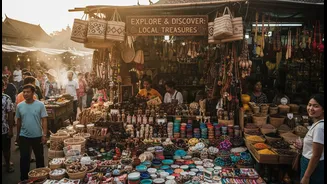
The rise of experience-led tourism presents a powerful opportunity for more meaningful travel. It pushes visitors beyond the crowded capitals and into the heart of local communities, creating economic benefits that mass tourism often fails to deliver. Think of community-based tourism in Nepal, where trekkers stay in teahouses run by local families, ensuring their money directly supports the mountain villages. Or consider the rise of eco-lodges in Indonesia and community-led tours in Vietnam, where travellers learn traditional farming or weaving from local artisans. This model fosters a mutually beneficial exchange. Travellers get a unique, authentic look into another way of life, while local communities gain a sustainable source of income that also helps preserve their cultural and environmental heritage. It’s a move away from passive observation towards active participation, transforming a simple holiday into a journey of genuine discovery.
New Frontiers and Untapped Potential
This shift is also redrawing the tourist map of Asia. As travellers seek out hidden gems and unique local activities, they are increasingly venturing beyond traditional hotspots like Bangkok and Bali. This diversification is a huge opportunity for lesser-known regions to develop their own sustainable tourism offerings. Destinations are no longer just competing on landmarks, but on the uniqueness of their cultural, culinary, and natural experiences. A food festival in a small Vietnamese town, a spiritual retreat in the Indian Himalayas, or a wildlife conservation project in Borneo can now be the primary draw for international visitors. This trend encourages the dispersal of tourists, which can help alleviate the pressure on overcrowded destinations and spread the economic benefits of tourism more widely across a country. It opens up new frontiers for both travellers and the industry itself.
The Limits: The Authenticity Paradox
However, the relentless pursuit of ‘authentic’ experiences comes with its own set of challenges. When a cultural practice becomes a popular tourist activity, it risks becoming a performance—a concept known as 'touristification'. A sacred dance once performed for community rituals might become a daily show for paying visitors, losing its original meaning in the process. This creates an authenticity paradox: the more tourists seek a genuine experience, the more that experience may be altered to meet their expectations. There is a fine line between sharing a culture and commercializing it. Finding authentic, non-intrusive experiences is becoming harder as guidebooks and social media create well-trodden paths even in formerly remote areas. The challenge for both travellers and providers is to ensure that cultural exchange remains a respectful dialogue, not a transaction that dilutes the very traditions it claims to celebrate.
The Danger of Loving a Place to Death
The other significant limit is the environmental and social strain that even well-intentioned tourism can cause. The desire to explore ‘untouched’ landscapes can ironically lead to their degradation if not managed properly. Overtourism isn't just a problem for major cities; it can also overwhelm smaller communities that lack the infrastructure to handle a sudden influx of visitors. This can lead to environmental damage, a strain on local resources like water and housing, and resentment from the local population. Destinations across Asia, from Bali to parts of Japan and Thailand, are already grappling with the consequences of excessive visitor numbers, which can lead to overcrowded sites and a diminished experience for everyone. The responsibility falls on governments, tour operators, and travellers alike to prioritise sustainability and ensure that the quest for new experiences doesn't destroy the places that provide them.