

A Return to Natural Aesthetics
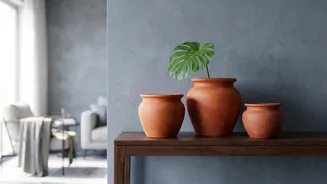
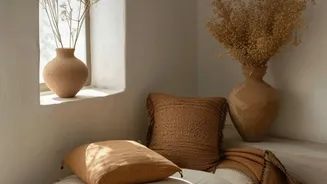
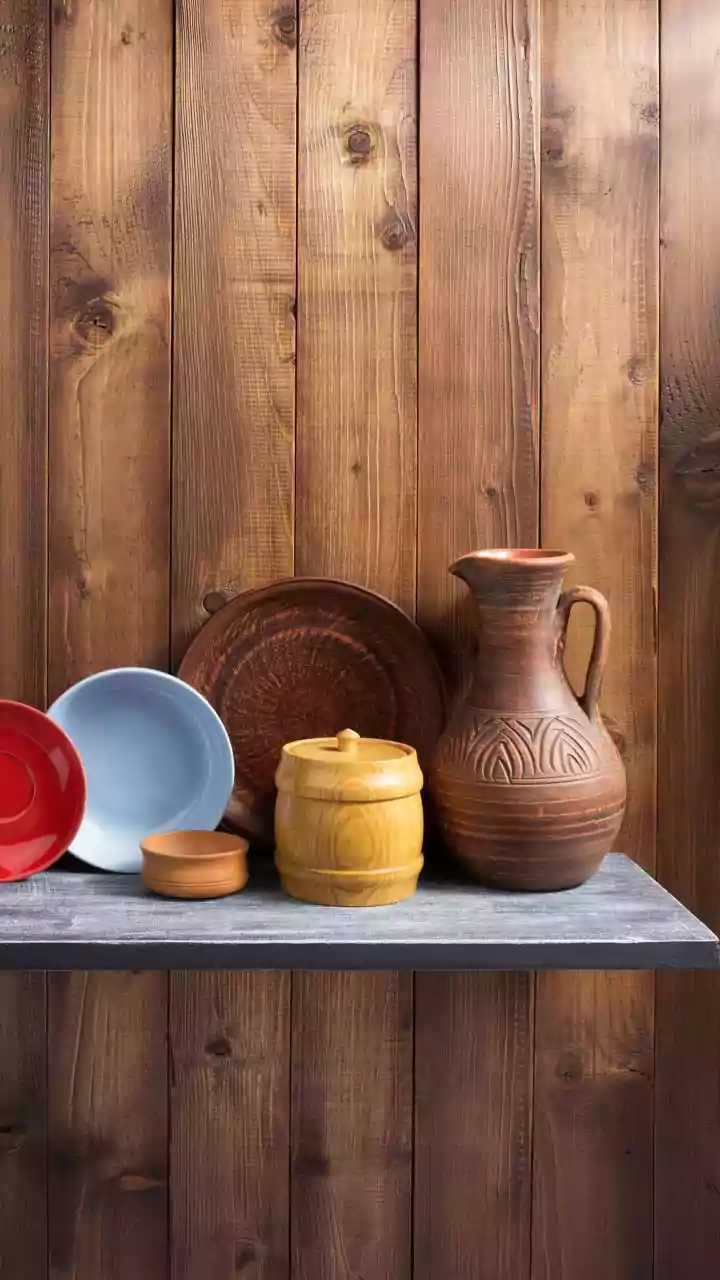
After years dominated by cool, minimalist palettes of grey and white, there's a growing desire for warmth and authenticity in our homes. Terracotta answers this call perfectly. Its signature reddish-brown and burnt orange hues introduce a natural, grounding
element that feels both welcoming and sophisticated. This material doesn't shout for attention; instead, its matte, slightly porous texture provides a soft contrast to the sleek surfaces of modern furniture. It pairs beautifully with wood, cane, brass, and indoor plants, making it incredibly versatile for various decor styles, whether it's a minimalist city flat or a bohemian-inspired living room.
An Eco-Conscious Choice
As we become more mindful of our environmental impact, the materials we bring into our homes matter more than ever. Terracotta shines as a sustainable champion. It is made from natural clay, an abundant resource, and its production process typically has a lower energy footprint compared to synthetic materials. Unlike plastic decor, terracotta is biodegradable, meaning it can return to the earth at the end of its long life without causing harm. This alignment with an eco-conscious lifestyle is a significant driver of its popularity among a generation keen on making responsible choices.
Connecting with Tradition and Craftsmanship
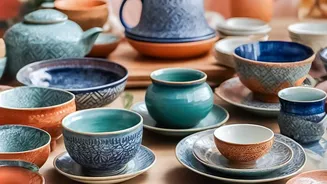
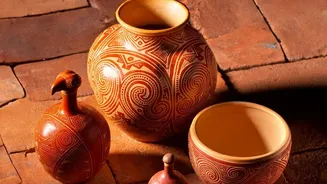
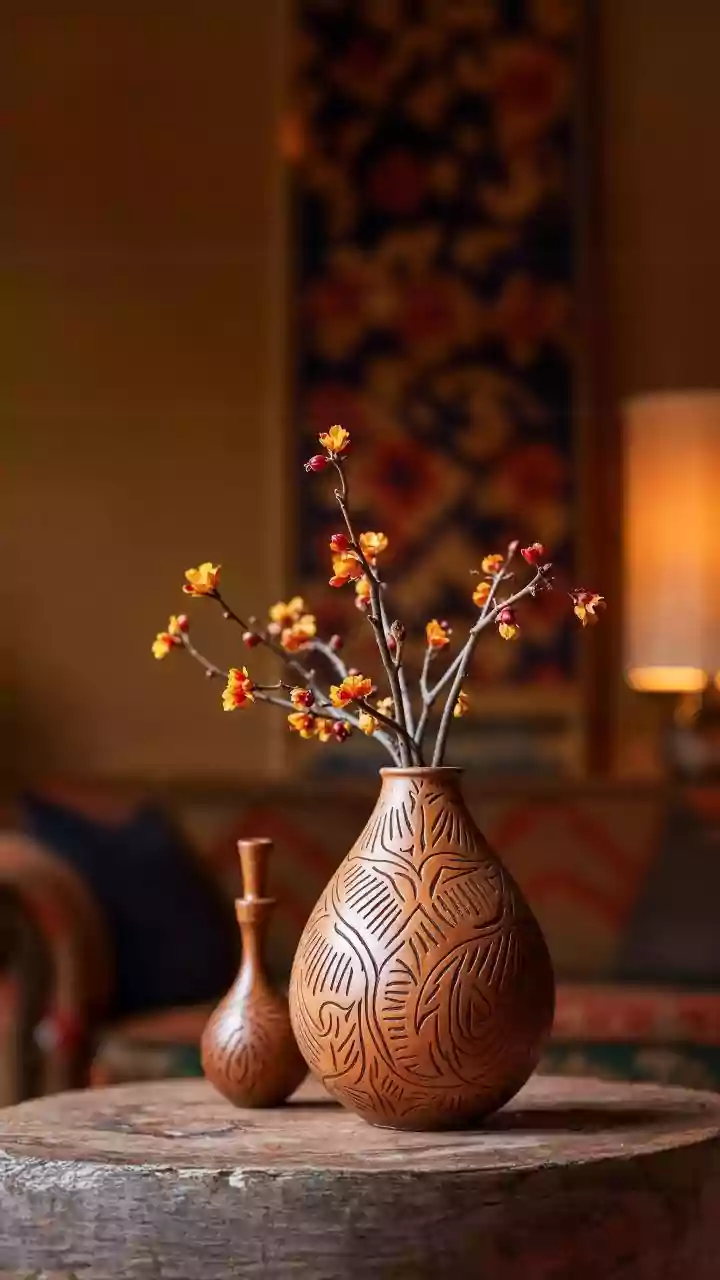
For many in India, terracotta is deeply familiar, tied to the 'matkas' of summer and the 'diyas' of Diwali. Its revival is more than a trend; it's a reconnection with cultural heritage. Each region in India has its own rich history of pottery, and choosing terracotta often means supporting local artisans and keeping ancient craft traditions alive. In a world of mass-produced goods, a handmade terracotta bowl or vase stands out. The subtle variations in shape and finish tell a story of craftsmanship, adding a layer of soul and authenticity to a home that machine-made items rarely can.
Promoting Wellness and Healthier Living
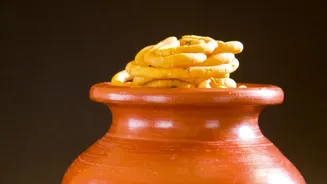
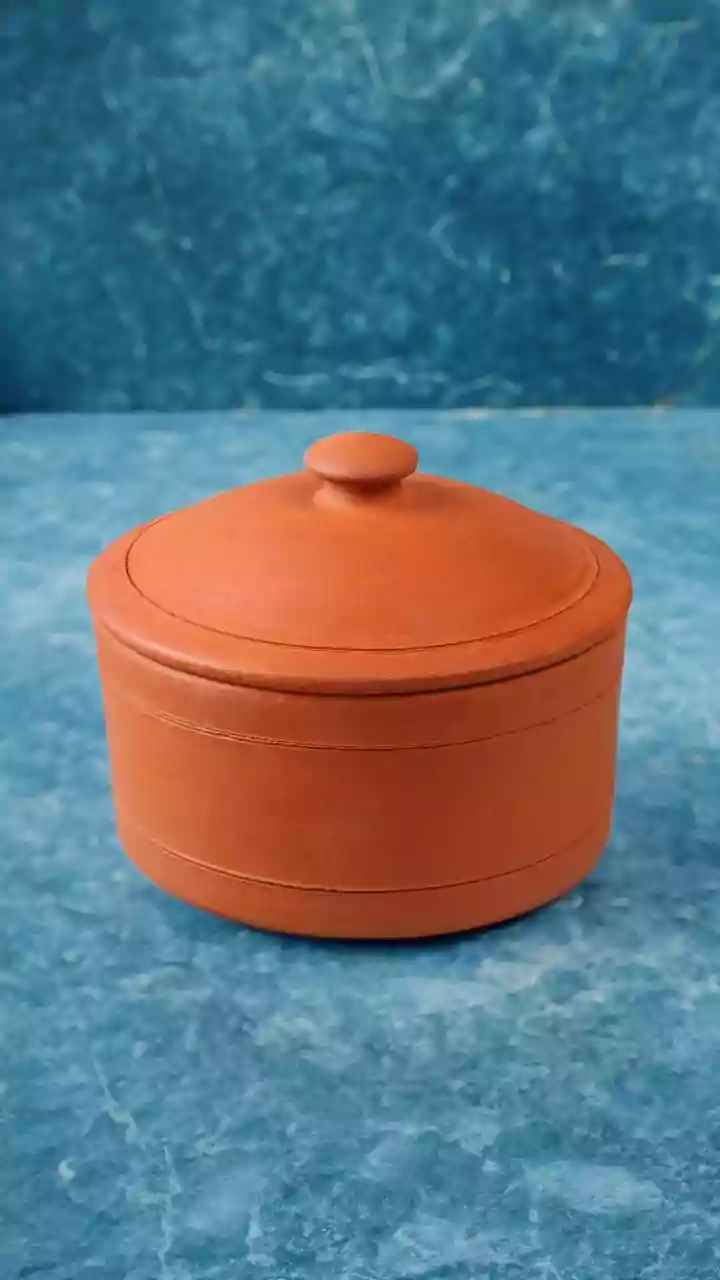
The benefits of terracotta extend beyond just looks. Bringing natural materials indoors is a core principle of biophilic design, which seeks to connect us with nature to improve well-being. Studies have shown that materials like clay can help reduce stress and create a calmer, more comfortable indoor environment. When used for cookware and serveware, terracotta offers even more advantages. Its porous nature allows for even heat distribution, which helps in slow cooking and retaining the moisture and nutrients in food. Many also believe that cooking and storing food in clay vessels enhances flavour and can even neutralize acidity.
Practicality and Versatility
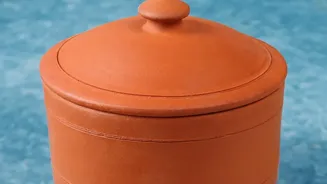
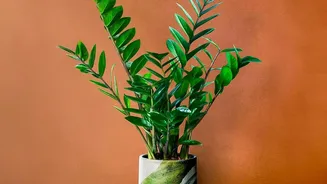
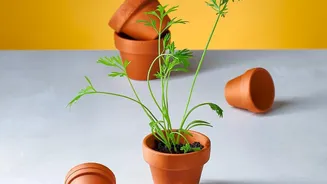
Beyond its deeper meanings, terracotta is simply practical. It is durable, and with proper care, can last for decades. Its heat-retention properties make terracotta bowls and dishes excellent for serving, keeping food warm for longer at the dining table. The material is remarkably versatile, appearing as everything from planters and lamps to dinner plates and decorative tiles. Terracotta planters are a classic for a reason; the porous clay allows soil to breathe, which promotes healthier plant roots. This blend of beauty, utility, and timelessness ensures that terracotta is not just a fleeting trend but a lasting addition to the modern home.