




The Protein Puzzle in Fitness
Protein is the building block of muscle. When you exercise, you create tiny micro-tears in your muscle fibres, and protein is what your body uses to repair them, making them stronger. For a sedentary adult, the general recommendation is about 0.8 grams
of protein per kilogram of body weight. However, for those who are physically active and looking to build muscle, that number increases significantly. Sports nutrition bodies often recommend a higher intake, ranging from 1.2 to 2.0 grams of protein per kilogram of body weight, depending on the intensity of your training. For vegetarians, hitting these higher targets can seem challenging, but powerhouse ingredients commonly found in Indian kitchens can make it much more achievable.
Paneer: The Ultimate Vegetarian Protein
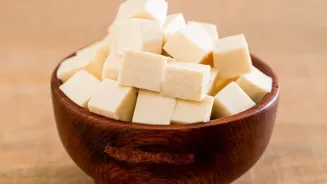
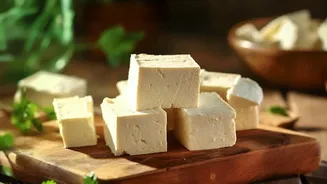
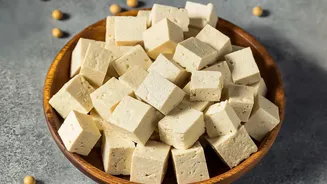
Paneer, or cottage cheese, is a cornerstone of vegetarian diets for a reason. It is one of the best sources of high-quality, complete protein. A 100-gram serving of paneer can contain anywhere from 18 to 25 grams of protein, depending on whether it is made from full-fat or low-fat milk. This protein is primarily casein, which is slow-digesting. This quality makes it an excellent post-workout food, as it provides a sustained release of amino acids to your muscles, aiding in repair and growth over several hours. Beyond protein, paneer is also rich in calcium, which is vital for bone health and muscle function.
Oats: More Than Just a Breakfast Cereal
While often celebrated for their fibre content, oats are also a respectable source of plant-based protein. A 100-gram serving of dry rolled oats offers about 13 to 17 grams of protein. This makes them a fantastic addition to any meal, not just breakfast. The complex carbohydrates in oats provide sustained energy, which is perfect for fuelling a workout or replenishing energy stores afterwards. Combining oats with other protein sources like paneer or yogurt can create a well-rounded meal that supports both your energy and muscle-building needs.
Sprouts: Nutrient-Dense and Bioavailable
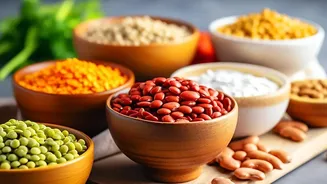
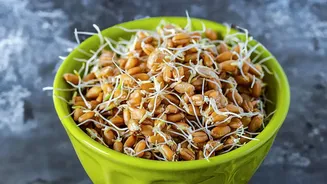
Sprouting legumes and beans dramatically increases their nutritional value. While the protein per 100 grams of fresh moong sprouts is modest at around 3-4 grams, the process of sprouting makes this protein more bioavailable. Sprouting reduces anti-nutrients like phytic acid, which can hinder the body's ability to absorb minerals and protein. This means you get more value out of the protein that is present. Sprouts are also packed with enzymes, vitamins, and fibre, making them great for digestion and overall health. They add a refreshing crunch and a boost of nutrients to any dish with very few calories.
Simple Recipe: High-Protein Sprouts & Paneer Salad
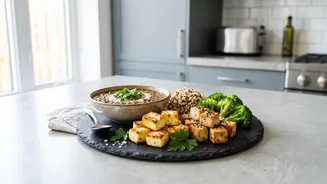
This no-cook recipe is perfect for a quick lunch or post-workout meal. In a large bowl, combine 1 cup of mixed steamed sprouts (like moong and chana) with 150 grams of crumbled or cubed paneer. Add chopped vegetables like cucumber, tomatoes, and onions for extra nutrients and crunch. For the dressing, mix lemon juice, a pinch of chaat masala, and salt. Toss everything together and garnish with fresh coriander. This salad provides a powerful protein punch from the paneer, complemented by the bioavailable nutrients from the sprouts.
Simple Recipe: Savoury Paneer and Oats Tikki
For a warm and satisfying meal, try making tikkis. In a bowl, mix 3/4 cup of rolled oats, 1 cup of crumbled paneer, and 1 cup of mixed sprouts. Add finely chopped vegetables like carrots and bell peppers, along with minced ginger, green chillies, and spices like cumin and coriander powder. Bind the mixture together, form it into patties, and pan-fry with minimal oil until golden brown. These tikkis can be enjoyed as a snack or as part of a main meal, providing a balanced profile of protein, carbs, and fibre.