




A New Itinerary for India
The way people travel through India is changing. While the allure of the Golden Triangle remains, a growing wave of both domestic and international tourists is looking beyond the checklist of historical sights. The search is on for something more authentic
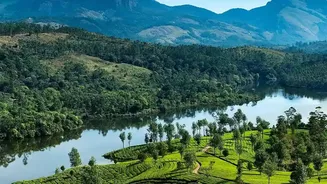
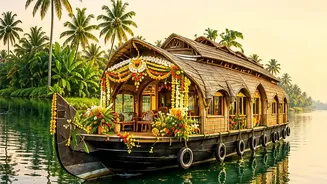
and immersive. This shift has been accelerated by a post-pandemic desire for open spaces and meaningful connections, steering travelers towards the country’s vast natural landscapes and rich rural heartlands. Reports show that demand is significantly broadening beyond heritage sites to include wildlife, wellness, and rural experiences. This isn't just about escaping cities; it's about discovering a different side of India, one defined by experiences rather than just sights.
Beyond the Tiger Safari
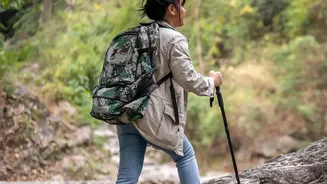
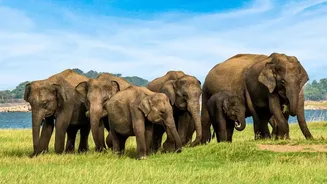
Wildlife tourism in India is evolving from a quick safari focused on a single species into a more profound engagement with nature. While the thrill of spotting a tiger in parks like Ranthambore or Corbett is timeless, travelers are now exploring lesser-known reserves like Satpura and Bori, and the biodiversity hotspots of the Northeast. The modern wildlife tourist is a more diverse character—no longer just the specialist enthusiast, but also families, couples, and solo travelers seeking a digital detox. This has led to longer stays of three to five nights, allowing for deeper immersion through activities like birding, nature walks, and photography. Wildlife lodges are becoming high-yield niches, with branded operators entering the space, signalling a maturation of the market that prioritizes holistic natural experiences.
The Pull of the Countryside
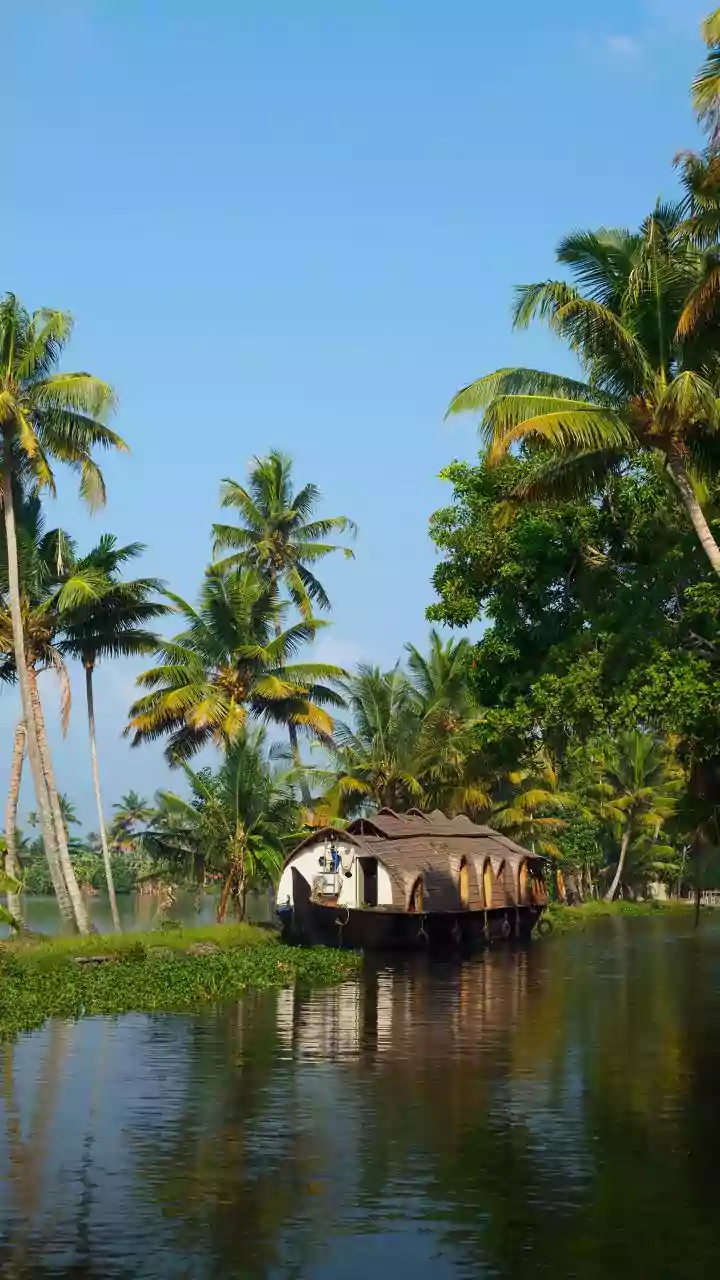
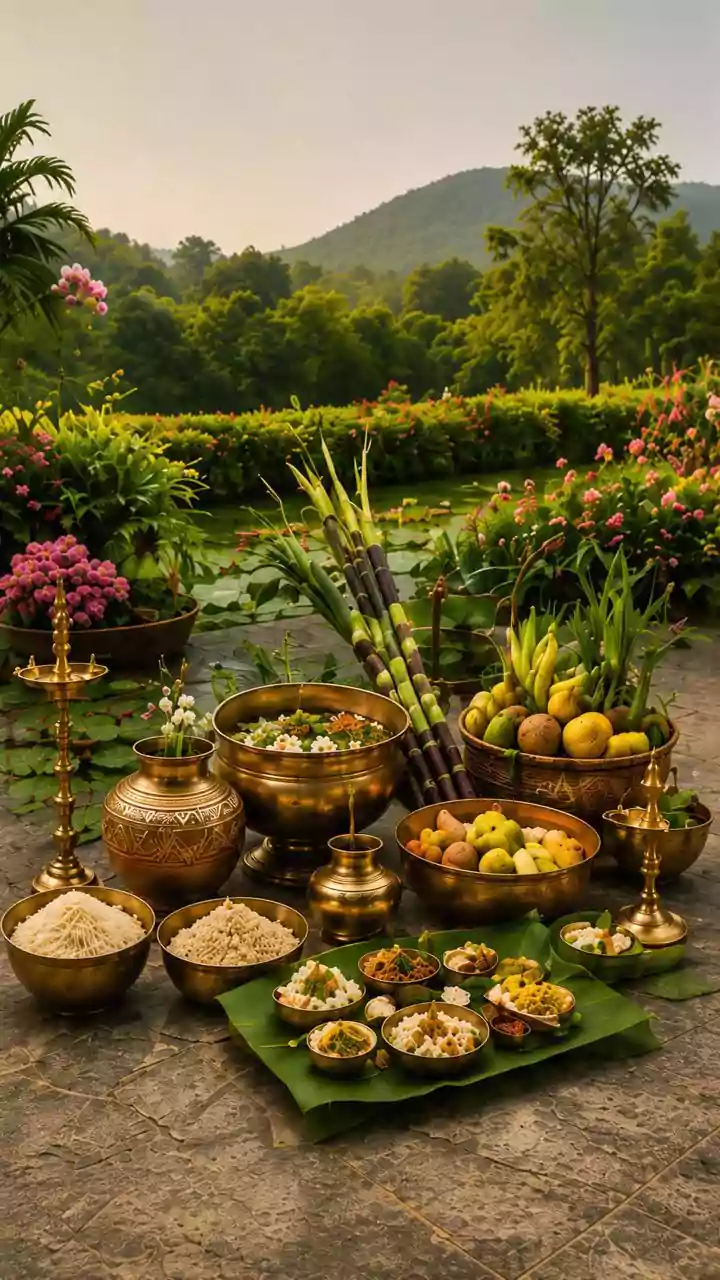
Simultaneously, rural tourism is blossoming into a major draw. The concept is simple but powerful: experience India by living it. This translates into staying in village homestays, participating in farming activities, learning local crafts, and enjoying meals made from fresh, local produce. States like Uttar Pradesh and Sikkim are actively promoting this model. UP, for instance, has identified over 200 villages to develop as tourism hubs, supporting the creation of hundreds of farm stays and homestays. The goal is to move tourism 'beyond monuments' and create livelihoods, particularly for women and youth, thereby curbing migration to cities. The Indian agritourism market, valued at over USD 1.3 billion in 2025, is projected to grow significantly, driven by urbanites' curiosity about their rural heritage.
What's Driving the Change?
Several factors are fueling this trend. A key driver is India's massive infrastructure push. New expressways are effectively creating 'tourism corridors', connecting multiple wildlife, heritage, and spiritual sites along a single route and encouraging multi-destination trips. Improved digital connectivity allows for easier discovery and booking of remote properties. Furthermore, there's a clear behavioral shift. Travelers are increasingly conscious of sustainability and authenticity. They seek experiences that create a positive impact on local communities and provide a genuine cultural exchange. This desire for unique, story-worthy journeys, often shared on social media, has made off-the-beaten-path destinations more desirable than ever.
A Sustainable Path Forward
This expansion into rural and wild frontiers holds immense promise for sustainable development. It creates jobs and diversifies incomes in areas that have historically seen little economic benefit from tourism. The government has recognized this potential, with the Ministry of Tourism formulating a national strategy to develop and promote rural tourism, emphasizing homestays and community involvement. However, this growth must be managed responsibly. The key is to ensure that the economic benefits flow directly to local communities while preserving the very culture and nature that attract visitors in the first place. By empowering local stakeholders and promoting eco-friendly practices, India can build a more resilient and inclusive tourism model for the future.