






A Planet in Constant Motion
Earth’s surface isn't a single, solid shell. It's a mosaic of massive tectonic plates that are always moving, pulling apart, crashing together, and sliding past one another. The engine rooms for this planetary construction are the mid-ocean ridges, vast
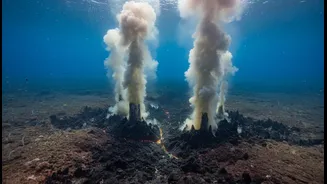
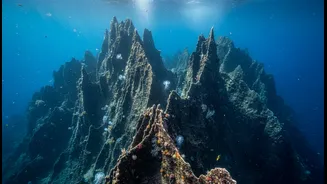
underwater mountain ranges that snake across the globe. At these ridges, two plates pull away from each other, allowing molten rock, or magma, to rise from the mantle and fill the gap. When this searing hot magma meets the cold ocean water, it solidifies into new rock, forming fresh oceanic crust. This process, known as seafloor spreading, is responsible for creating about two-thirds of our planet's surface. For decades, scientists understood this in theory, but observing it directly, miles beneath the ocean, was considered a near-impossible task.
A Fortunate Discovery
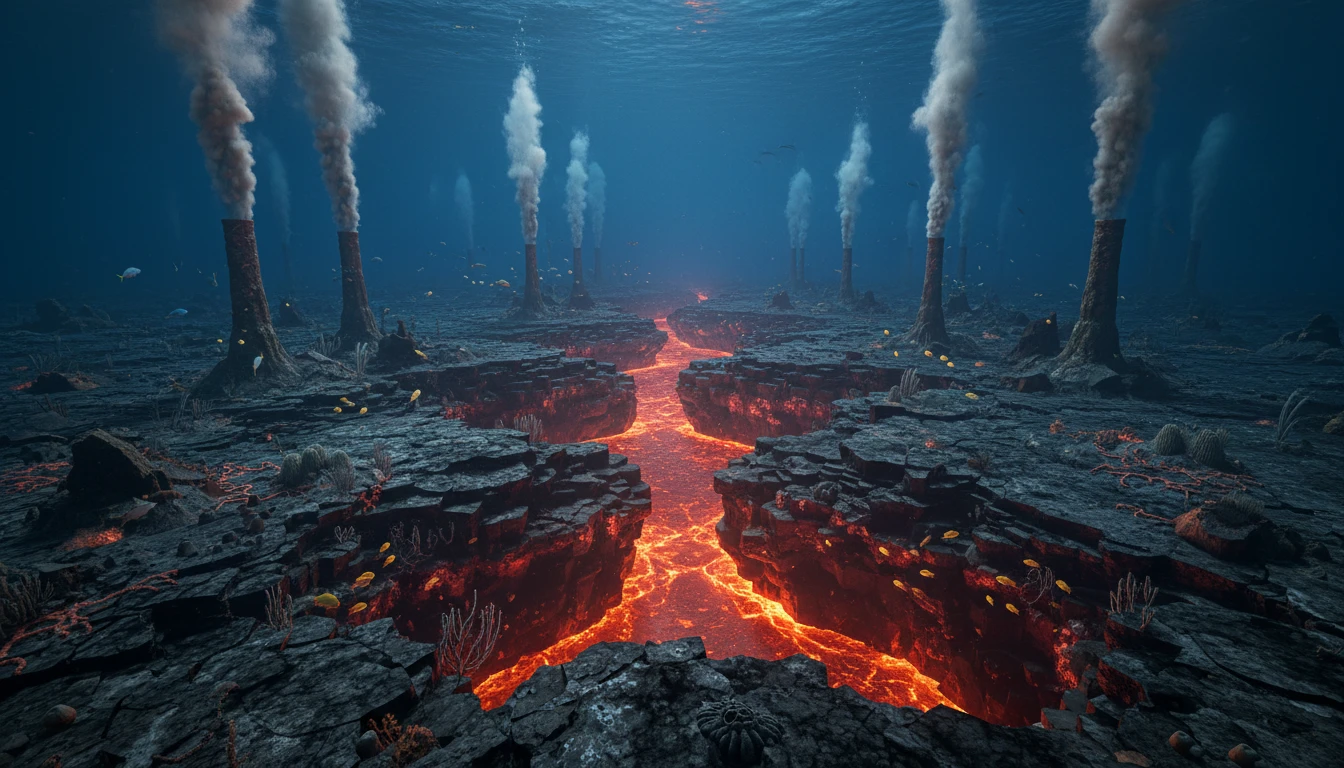
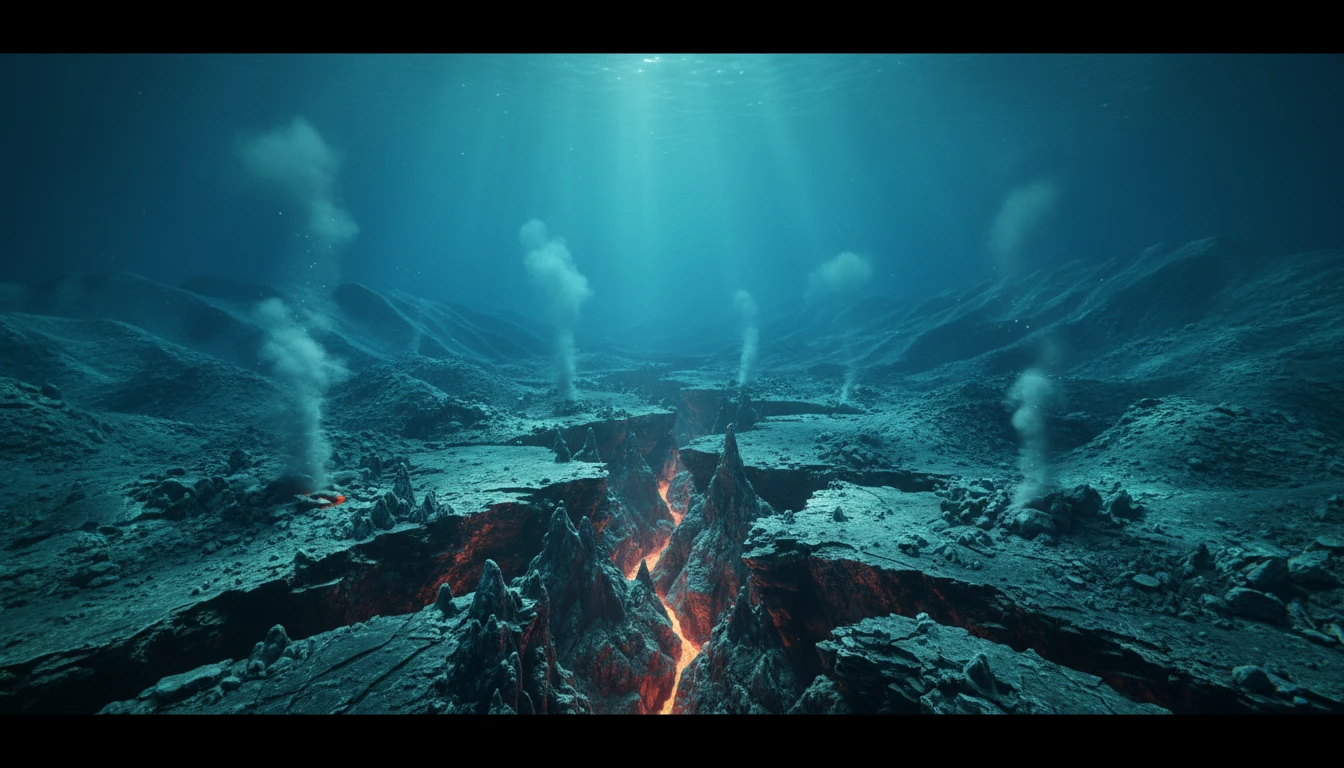
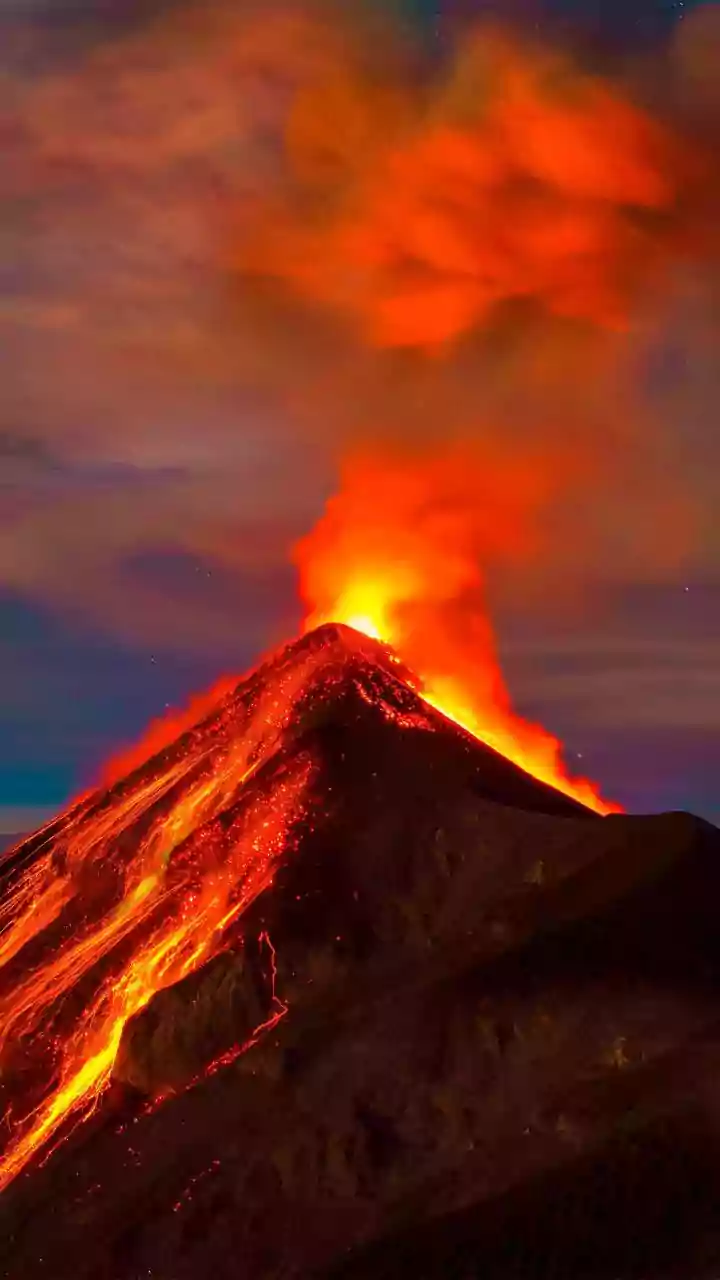
The breakthrough came from a stroke of incredible luck. A French-led research team deployed an array of sophisticated instruments along the Southeast Indian Ridge, a boundary separating the Australian and Antarctic plates. They were hoping to monitor the slow, steady stretch of the crust. Instead, just two months after their equipment was in place, the seafloor tore open. On April 26, 2024, a swarm of earthquakes began racing along the ridge. Within hours, the valley floor started to sink, eventually dropping by over four meters. Over the next two weeks, a magma reservoir deep below the crust drained, forcing its way through cracks and erupting onto the seafloor. An estimated 160 million cubic meters of lava—enough to fill tens of thousands of Olympic swimming pools—poured out, creating a brand new piece of our planet. The findings were published in the journal Nature in July 2026, giving the world its first real-time look at the birth of the ocean floor.
Decades of Movement in Days
This event fundamentally changes how we view geological time. The spreading that scientists witnessed—several meters of movement—is what would normally be expected to occur over 30 to 60 years. It proves that the Earth's crust doesn't just grow at a slow, steady pace like a fingernail. Instead, it happens in sudden, dramatic bursts. Strain builds up for decades and is then released all at once in a violent episode of cracking, sinking, and volcanic eruption. This observation also helps solve a long-standing geological puzzle. For years, the total movement measured by plate tectonics didn't quite match the movement accounted for by recorded underwater earthquakes. This new data shows why: the scientists calculated that roughly three-quarters of the seafloor movement during this event produced no detectable seismic shaking at all. It was a 'silent' slip that we were previously unable to measure.
Why This Matters for India
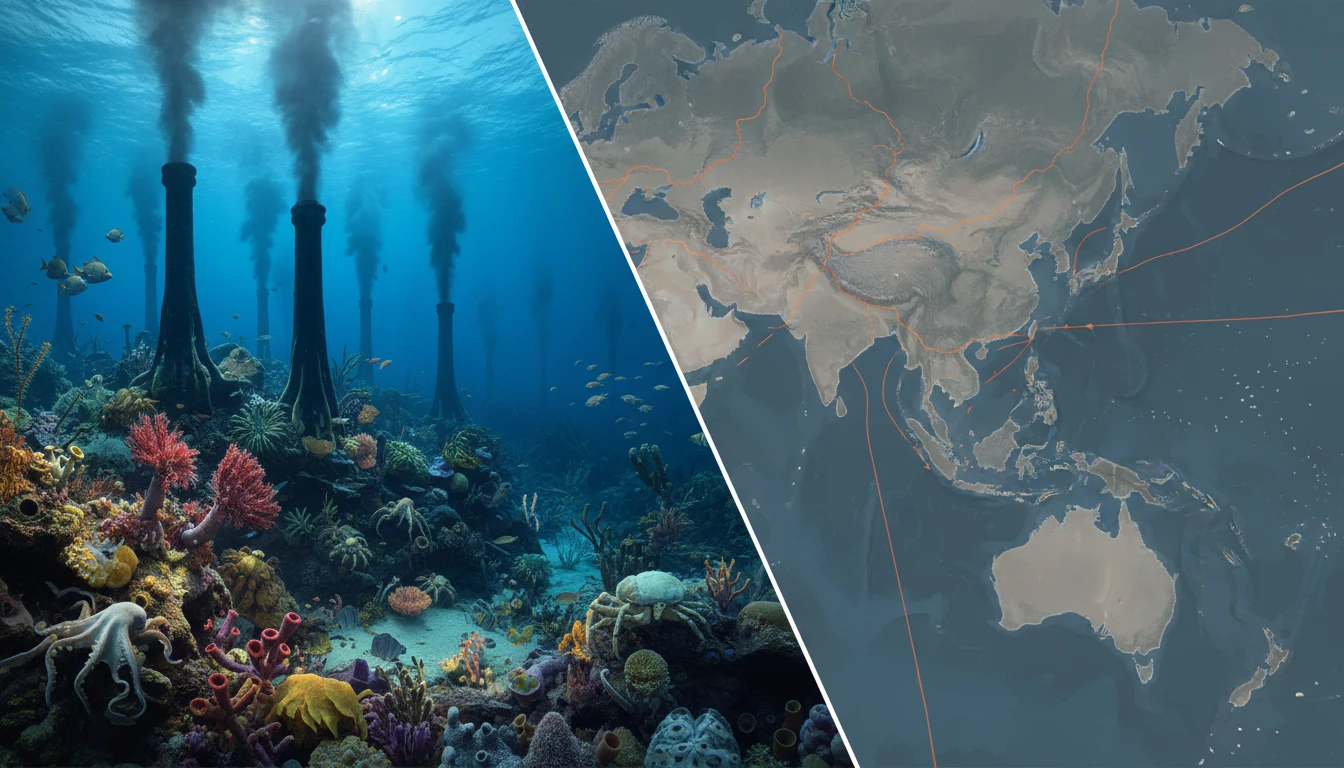
While this specific event occurred on the Southeast Indian Ridge, the findings have major implications for the entire Indian Ocean, including ridges closer to home like the Carlsberg Ridge, which separates the Indian and Somalian plates. Understanding that plate movement happens in these intense bursts, rather than a steady crawl, is crucial for refining our models of tectonic stress. While seafloor spreading ridges are not typically the source of major tsunamis—those are usually caused by subduction zones where one plate slides beneath another, like the one responsible for the devastating 2004 Indian Ocean tsunami—any major geological disturbance can affect regional stability. A more accurate picture of how and where stress is released along plate boundaries provides vital data for overall hazard assessment. This knowledge helps scientists better understand the immense forces at play that shape our subcontinent and the surrounding seabed, ultimately contributing to a more complete understanding of earthquake and tsunami risk across the region.