






Understanding the 'K' in Gold
The 'K' stands for Karat, a unit that measures the purity of gold. The scale runs up to 24, which means 24K gold is the purest form you can buy, containing 99.9% gold. Any number lower than 24 indicates that the gold has been mixed with other metals,
forming an alloy. For instance, 22K gold means it contains 22 parts gold and 2 parts other metals. This corresponds to 91.67% pure gold, which is why it's often hallmarked with the number '916'.
24K Gold: The Purest Choice
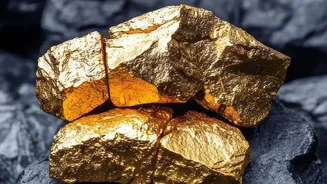
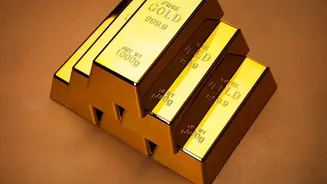
24K gold is 99.9% pure, giving it a distinct, bright yellow lustre that is highly sought after. Because of its high purity, it is the most valuable and expensive form of gold. However, this purity comes at the cost of durability. 24K gold is extremely soft and malleable, making it prone to scratching, bending, and denting easily. This softness makes it unsuitable for most forms of daily-wear jewellery. Instead, its primary use in India is for investment purposes, such as in the form of gold bars and coins, or for ceremonial pieces where durability is not the main concern.
22K Gold: The Durable Favourite
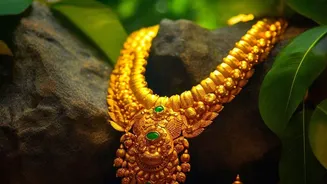
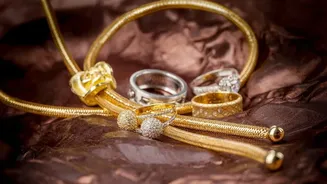
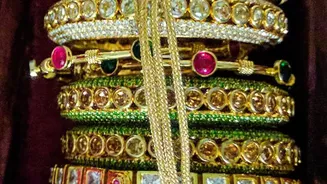
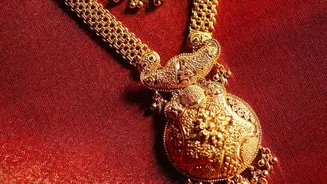
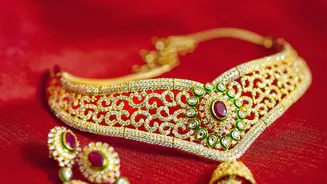
22K gold strikes a balance between high purity and practical strength. It is composed of 91.67% gold, with the remaining 8.33% made up of metals like copper, silver, zinc, or nickel. This process of mixing metals, known as alloying, makes the gold much harder and more durable than its 24K counterpart. This enhanced strength makes 22K gold the preferred choice for crafting intricate jewellery meant for regular use, from bangles and necklaces to earrings. The alloys ensure that the jewellery can withstand the rigours of daily wear without easily losing its shape.
Purity vs. Practicality: Key Uses
The choice between 22K and 24K gold ultimately comes down to its intended purpose. If you are buying gold primarily as an investment, 24K is the superior choice. Its value is tied directly to its purity, making it a globally accepted standard for bullion and financial assets. On the other hand, if you are purchasing jewellery to wear, 22K is the more practical and popular option in India. It provides the rich look of high-purity gold while offering the necessary durability to last for generations as a wearable heirloom.
The Impact on Price
Naturally, the difference in gold content affects the price. Gram for gram, 24K gold is always more expensive than 22K gold because you are paying for more pure gold. While jewellery made from 22K gold is less expensive in terms of gold value, buyers should note that it often comes with 'making charges'. These charges cover the cost of the craftsmanship involved in creating the jewellery and are not typically applied to 24K investment bars or coins.