





Plan Ahead with Weather Intelligence
The single most important step for a safe monsoon journey is to stay informed about the weather. Before you book anything, and right up until you leave, monitor forecasts from the India Meteorological Department (IMD). The IMD issues colour-coded alerts
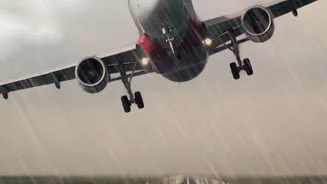
(red, orange, yellow) for different regions, warning of heavy to extremely heavy rainfall, thunderstorms, and potential flooding. This isn't just about knowing if you'll need an umbrella; it's about avoiding regions with active warnings for landslides and floods, which can disrupt transport and pose serious dangers. Build buffer days into your itinerary. Monsoon weather is unpredictable, and flights, trains, or road journeys can be delayed or cancelled with little notice. A flexible schedule prevents a minor delay from derailing your entire trip.
Choose Your Destination Wisely
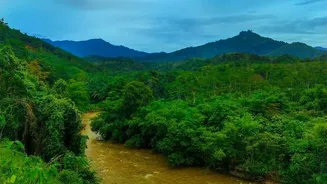
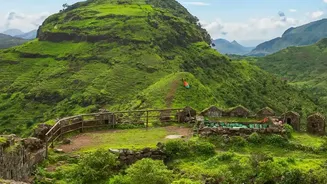
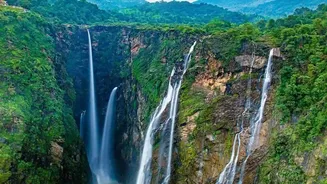
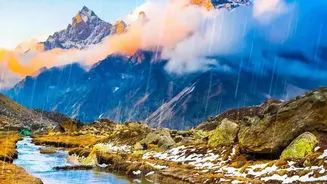
Not all destinations are created equal during the monsoon. While the rains bring some regions to life, they make others hazardous. It's generally advisable to avoid trekking in high-altitude Himalayan regions like parts of Uttarakhand and Himachal Pradesh, where the risk of landslides and flash floods is significant. Popular treks such as the Hampta Pass and routes near Roopkund become particularly dangerous. Coastal areas can also be risky due to strong currents and high tides, with many beach shacks and resorts closing for the season. Instead, consider destinations where the monsoon is more manageable. Places like Rajasthan receive less rainfall, offering a chance to see its majestic forts and palaces without the peak season crowds. The Deccan Plateau, including areas like Hampi, or hill stations in the south like Coorg, Munnar, and Wayanad, are renowned for their monsoon beauty, though you should still check local conditions for road stability.
The Art of Smart Monsoon Packing
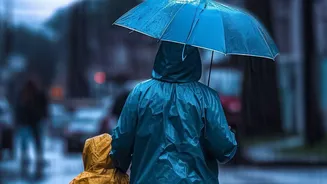
Your packing list can make or break a monsoon trip. Leave the heavy cotton and jeans at home; they absorb water and take forever to dry. Opt for lightweight, synthetic, and quick-drying clothes. A sturdy, windproof umbrella and a reliable raincoat or poncho are non-negotiable. When it comes to footwear, prioritize grip and water resistance. Sturdy rubber sandals with a back strap or hiking boots with good traction are far better choices than flip-flops or leather shoes. Waterproofing your luggage and electronics is crucial. Use a backpack with a rain cover, and pack documents, cash, and gadgets in zip-lock or dry bags. Tossing in a few silica gel packets can help absorb moisture and protect sensitive electronics from humidity.
Navigating Roads and Transport
Road trips during the monsoon require extra caution. Roads can be slippery, potholed, and prone to waterlogging. If you're driving, ensure your vehicle's tyres are in good condition and drive slowly, maintaining a safe distance from other cars. It's best to avoid driving at night, especially in hilly areas where visibility is poor and the risk of landslides is higher. Be prepared for the unexpected by having a Plan B for your route. Check for local advisories on road closures before you set out. If a road looks flooded, do not attempt to cross it. Using public transport can be a safer alternative, but be aware that train and bus schedules are also subject to delays.
Staying Healthy on Your Trip
Health risks, particularly from water-borne and mosquito-borne diseases, increase during the monsoon. Be vigilant about what you eat and drink. Stick to bottled or purified water and avoid tap water or ice from unreliable sources. Be cautious with street food, as the risk of contamination is higher. Opt for freshly prepared, hot meals from clean, reputable restaurants. Carry a basic first-aid kit containing essentials for colds, fever, and stomach upsets, along with antiseptic wipes and bandages. An insect repellent is also a must-have to protect against mosquitoes, which are more prevalent during this season.