



The Unseen Dangers in Your Cleaning Caddy
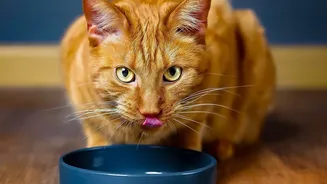
It’s not just about the risk of your curious dog chewing on a sponge. The primary threat comes from cross-contamination. Dirty cleaning tools can harbour chemical residues and harmful bacteria. When stored next to pet food, water bowls, or toys, these
contaminants can easily transfer, posing a significant health risk. Pets are particularly vulnerable because they interact with the world differently; they walk barefoot on floors and groom themselves by licking, which means they can easily ingest toxic residues left behind by cleaning products. Even the fumes from certain chemicals can irritate their sensitive respiratory systems.
Toxic Chemicals Lurking on Your Tools
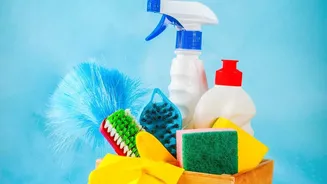
Many common household cleaners contain ingredients that are toxic to animals. Even after you've finished cleaning, residue can linger on your mops, cloths, and brushes. Some of the most common culprits include bleach (sodium hypochlorite), ammonia, and phenols, which are often found in disinfectants that boast of killing 99.9% of germs. Contact with these chemicals can lead to a range of issues for pets, from skin and eye irritation to severe gastrointestinal distress or even chemical burns if ingested. Cats are especially sensitive to phenols, as their livers cannot metabolize these compounds effectively.
More Than Chemicals: The Bacterial Threat
A damp mop head or a dirty sponge is a perfect breeding ground for mould and bacteria like E. coli and Salmonella. If you store these unwashed tools near your pet’s belongings, you risk spreading these germs to their food and water dishes. This is a form of cross-contamination that can lead to serious gastrointestinal infections, especially in young, old, or immunocompromised pets. Simply tucking a dirty mop into a dark cupboard allows these microorganisms to flourish, waiting to be spread during the next use or through proximity to other items.
A Step-by-Step Guide to a Safer Routine
Adopting a safer cleaning and storage routine is simple. First, after every use, thoroughly rinse your cleaning tools like mop heads, brushes, and sponges with clean water until the water runs clear. Next, disinfect them. A soak in a solution of hot water and a small amount of bleach or white vinegar for about 10-15 minutes can kill lingering germs. However, avoid bleach on sponge mops as it can degrade the material. Finally, and most importantly, wring them out completely and allow them to air dry thoroughly before storing. A wet mop head stored in a dark closet is a welcome mat for mould.
Smart Storage Solutions for Pet-Friendly Homes
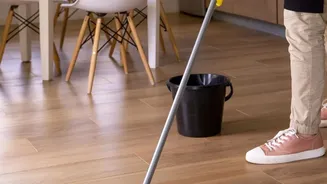
The key is separation and security. Store all your cleaning supplies in a designated area far from your pet's food, water, and toys. Ideal locations include a high shelf in a garage or laundry room, or a dedicated cabinet secured with a childproof lock. This prevents both cross-contamination and accidental ingestion by a curious pet. Never leave cleaning products or tools like buckets of mop water unattended, even for a moment. A brief distraction is all it takes for an accident to happen.
When to Suspect a Problem
If you worry your pet has come into contact with a harmful chemical, look for signs of poisoning. Common symptoms include vomiting, diarrhea, excessive drooling, lethargy, skin or mouth sores, coughing, or difficulty breathing. If you notice any of these signs, it's crucial to act quickly. Gather any information you have about the product your pet may have been exposed to and contact your veterinarian immediately for guidance.