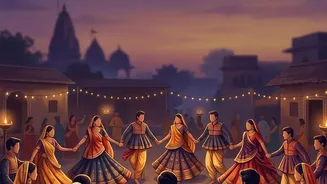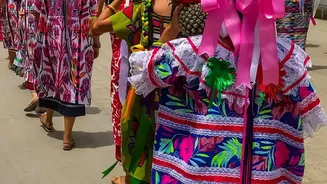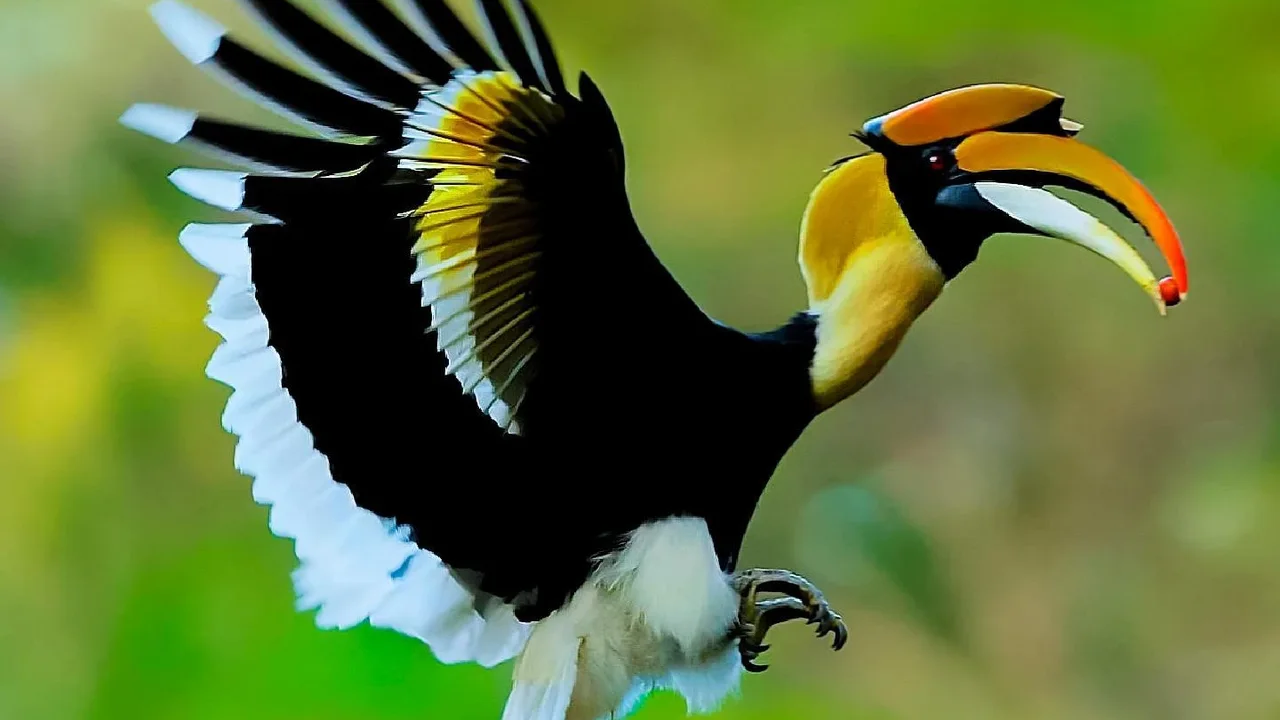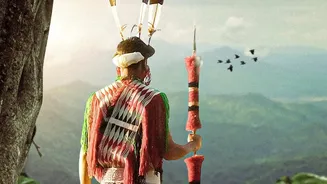






The Hornbill Festival is Nagaland's spectacular annual showcase of culture, but the journey doesn't have to end at the festival gates. Here’s how to build a richer itinerary by pairing the main event with the region's best sights.
First, The Main Event: Hornbill Festival 2026
The Hornbill Festival
is consistently held from December 1st to 10th each year at the Naga Heritage Village in Kisama, about 12 kilometres from Kohima. Known as the 'Festival of Festivals', it brings all of Nagaland's major tribes together for ten days of traditional dance, music, food, and crafts. The atmosphere is electric, with cultural performances in the main arena, indigenous games like Naga wrestling, and authentic food served in traditional huts called 'morungs'. While the official 2026 programme will be released closer to the date, the daily schedule typically involves morning cultural shows, midday craft and food exploration, and evening concerts or events in Kohima. Plan to spend at least one or two full days at Kisama to soak it all in.
Your Basecamp: Exploring Kohima
Since the festival venue is just a short drive away, Kohima is the perfect base for your trip. Even on days you attend the festival, you can explore sights within the capital city. The most significant is the Kohima War Cemetery, a serene and poignant memorial to the soldiers who died during the intense World War II battle here. For a deeper understanding of the cultures you'll see at Hornbill, visit the Nagaland State Museum, which houses a rich collection of artifacts from the state's different tribes. When the festival venue closes in the late afternoon, Kohima's vibrant night markets come alive, offering more food, shopping, and a chance to mingle. Most shops close by early evening, so plan your city exploration for the first half of the day.
For History and Culture: A Day in Khonoma
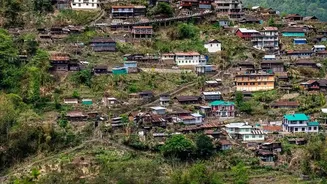
Just 20 kilometres west of Kohima lies Khonoma, a 700-year-old Angami village with a remarkable story. Known as India's first 'green village', its community famously banned hunting and logging to conserve the local ecosystem. Khonoma is also historically significant for its fierce resistance against the British. A guided walking tour is highly recommended to understand the history of its fortified walls, ceremonial gates, and different clan quarters, or 'khels'. The village is set amidst stunning terraced rice fields carved into the hillsides, making it a photographer's dream. It's an easy and rewarding day trip from Kohima that offers a peaceful, authentic contrast to the festival's lively crowds.
For the Adventurous Trekker: Dzukou Valley
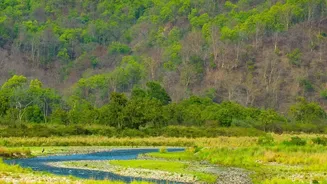
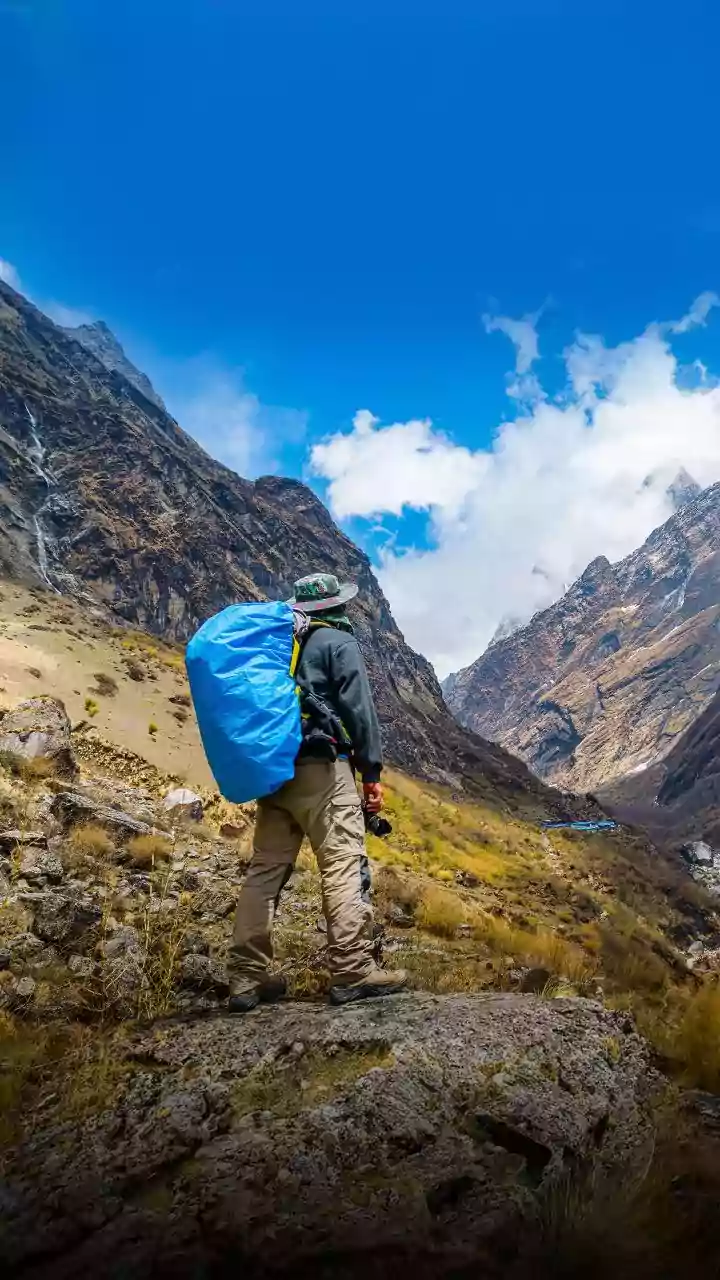
If you have a couple of extra days and a love for nature, the Dzukou Valley trek is an unmissable adventure. Located on the border of Nagaland and Manipur, this high-altitude valley is famous for its rolling green meadows that resemble a giant, manicured lawn. The trek can be done as a long day trip, but staying overnight in the basic guesthouse allows you to witness a breathtaking sunset and sunrise. There are two main starting points near Kohima: the Viswema trail, which is longer but has a more gradual ascent, and the Zakhama trail, which is steeper and more challenging. For most, trekking up from Viswema and down via Zakhama is the preferred route. Remember to pack warm layers, as temperatures drop significantly at 2,400 metres.
Going Deeper: The Road to Mokokchung and Mon
For those with more than a week, the Hornbill Festival can be the starting point for a deeper exploration of Nagaland. A scenic, full_day drive north takes you to Mokokchung, the cultural heartland of the Ao Naga people. Here, you can visit ancient villages like Ungma and Longkhum for a different cultural perspective. From Mokokchung, another long travel day takes you further north to Mon, the home of the Konyak Nagas, who are known for their unique history and traditions. This extended journey requires more planning but offers an unparalleled insight into the diversity of Nagaland's tribal heritage, far beyond the festival grounds.
Essential Travel and Permit Information
All domestic tourists from outside Nagaland must obtain an Inner Line Permit (ILP) to enter the state. This can be applied for online through the official Nagaland ILP portal before your trip. The process requires a photo and a government_issued ID. The permit is checked at entry points like Dimapur airport and road checkpoints. It's also crucial to book accommodation in Kohima well in advance, as hotels and homestays fill up months before the festival. For travel within Nagaland, shared taxis are common, but hiring a private taxi offers more flexibility for sightseeing.