





The Other Side of Monsoon Goa
The common assumption is that Goa shuts down during the monsoon, which runs from June to September. In a way, that’s partially true. The famous beach belt, the epicentre of tourist activity, becomes a shadow of its winter self. The sea gets rough, making
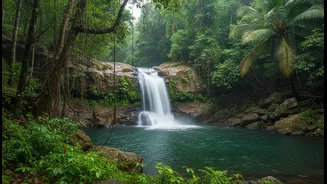
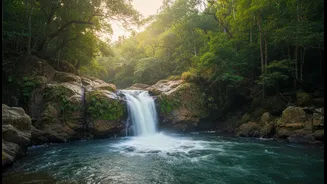
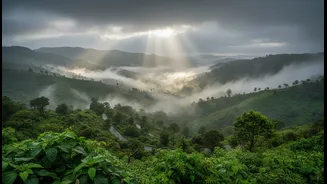
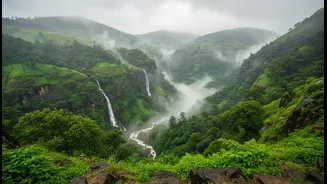
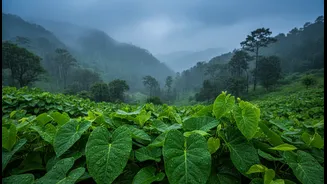
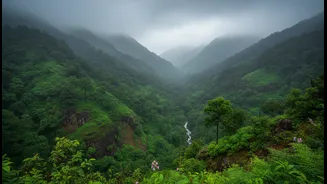
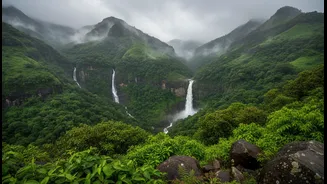
swimming and water sports unsafe and therefore restricted. Many of the temporary beach shacks that define the coastal experience are dismantled. However, to say Goa is 'closed' is to miss the point entirely. While the party on the coast quiets down, the state’s interior, a lush expanse of the Western Ghats, bursts into spectacular life. This is the Goa the seasoned traveller seeks—a world of emerald paddy fields, mist-laden forests, and thundering waterfalls.
The Western Ghats Come Alive
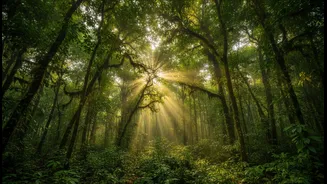
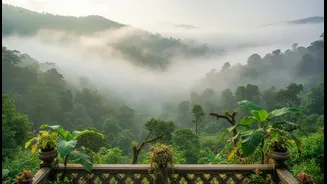
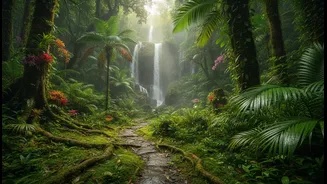
Goa’s hinterland is a rich, biodiverse region nestled in the foothills of the Western Ghats, a UNESCO World Heritage Site. During the monsoon, this area transforms into a vibrant green paradise. The rains feed the rivers and forests, creating a landscape that feels raw, ancient, and incredibly alive. Key areas like the Bhagwan Mahavir Wildlife Sanctuary and the Mhadei Wildlife Sanctuary become the main attractions. These protected forests are home to an incredible variety of flora and fauna, including exotic birds, butterflies, and even elusive big cats like leopards and tigers. The air is thick with the scent of wet earth, and the landscape, cloaked in mist, offers a serene and powerful beauty that stands in stark contrast to the hectic energy of the peak tourist season.
Chasing Waterfalls, Not Crowds
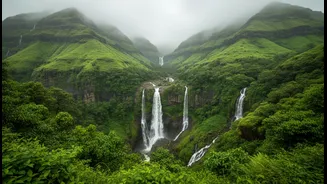
The undisputed stars of the Goan monsoon are its waterfalls. The most famous, Dudhsagar Falls, which translates to 'Sea of Milk', transforms into a roaring, four-tiered spectacle. During these months, it is at its most powerful and magnificent, a sight that draws nature lovers and photographers from across the country. While jeep safaris to the base may be restricted during heavy rains for safety, the trek through the Bhagwan Mahavir Sanctuary to witness it is a rewarding adventure in itself. Beyond Dudhsagar, numerous other waterfalls like those at Tambdi Surla and Harvalem come to life, offering incredible trekking destinations. These trails, ranging from easy walks to more challenging hikes, guide you through dense forests to the base of these stunning cascades.
An Immersion in Nature and Culture
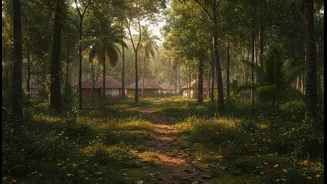
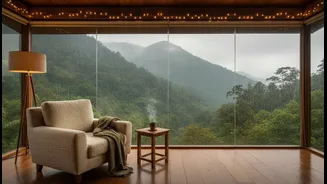
Choosing the hinterlands over the beaches offers a more immersive experience. Instead of beach huts, accommodation options here include eco-resorts, homestays, and tranquil spice plantations. These stays provide a quiet retreat and a chance to connect with the local Goan way of life. Activities are centred around nature and adventure. You can spend your days trekking through forest trails in sanctuaries like Mhadei, an experience that is refreshingly under the radar. White-water rafting on the Mhadei River becomes a popular and thrilling option, particularly from July onwards. Exploring the quiet, colourful lanes of Fontainhas, Panjim’s Latin Quarter, or visiting ancient temples like the 12th-century Tambdi Surla Mahadev Temple, offers a cultural depth that many beach-bound tourists miss.