






Why Protein is Your Energy Ally
When we think of energy, our minds often jump to carbohydrates and sugars. While they provide a quick burst of fuel, it’s often followed by a crash. Protein works differently. It’s not a primary energy source, but it plays a crucial supporting role. Its
main superpower is satiety. A protein-rich meal keeps you feeling full and satisfied for longer, preventing the blood sugar spikes and dips that lead to energy slumps and cravings. By stabilising your blood sugar, protein provides a steady, reliable stream of vitality throughout the day. Furthermore, it's essential for building and repairing tissues, including muscle. Stronger muscles mean your body works more efficiently, conserving energy for where you need it most—your brain and your tasks.
How Much Protein Do You Really Need?
The 'right' amount of protein varies based on age, weight, and activity level. A general guideline from the Indian Council of Medical Research (ICMR) suggests an average adult needs about 0.8 to 1.0 grams of protein per kilogram of body weight daily. For a 60 kg person, that’s around 48 to 60 grams. However, if you are very active, pregnant, or looking to build muscle, your needs may be higher. Many typical Indian diets, rich in rice and rotis, can sometimes fall short on the protein front. The key isn't just hitting a daily total, but distributing your intake. Spreading protein across your meals—breakfast, lunch, and dinner—is far more effective for maintaining energy and muscle health than consuming most of it in one large meal.
Breakfast: The Most Important Protein Meal
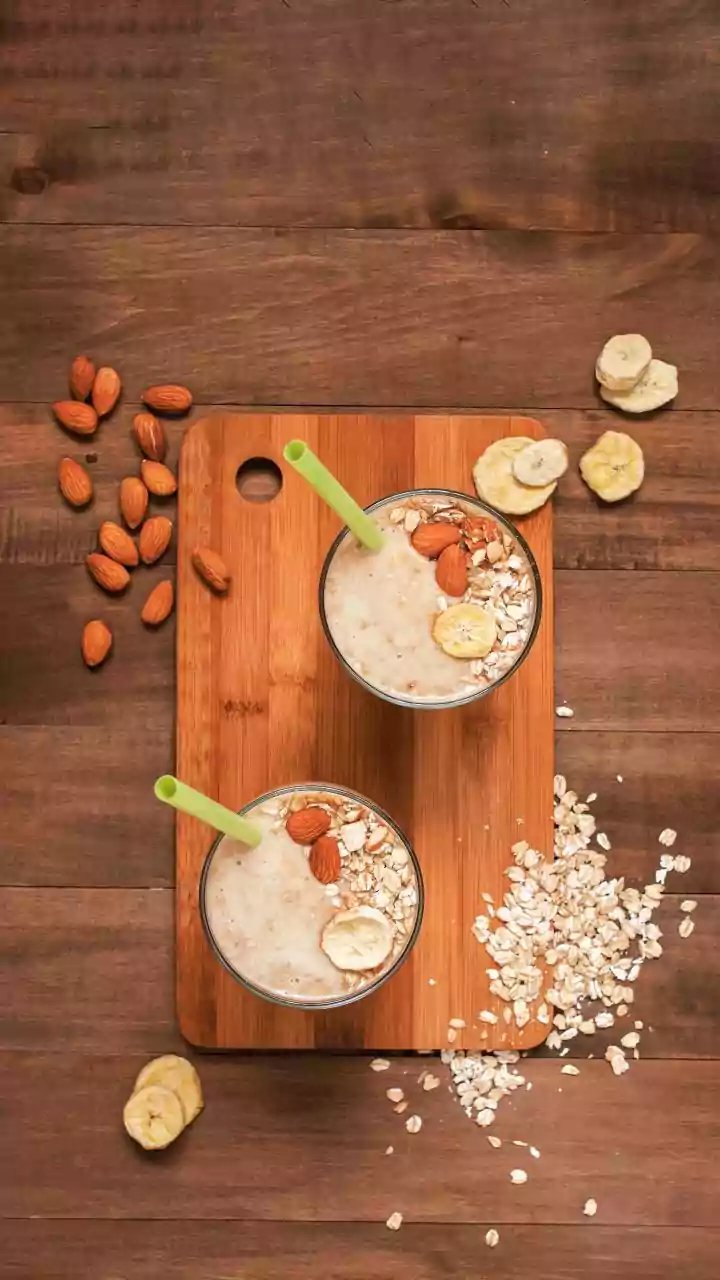
Starting your day with a protein-packed breakfast sets the tone for hours of sustained energy. It kick-starts your metabolism and wards off mid-morning hunger pangs. While eggs are a fantastic option, there are plenty of other choices. Consider a bowl of poha fortified with peanuts or sprouts. A simple besan or moong dal chilla offers a powerful dose of plant-based protein. For those in a hurry, a glass of milk, a serving of Greek yoghurt with nuts, or a handful of almonds can make a significant difference. Even adding paneer bhurji to your morning routine or having a bowl of dalia cooked with vegetables and lentils can transform your breakfast from a carb-heavy meal to a balanced, energy-boosting one.
Beat the Afternoon Slump with a Smart Lunch
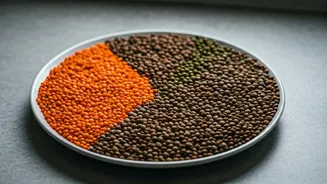
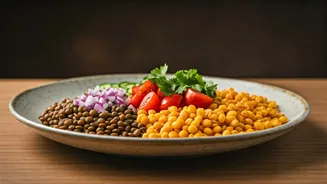
Lunch is your opportunity to refuel and power through the second half of your day. Ensure your thali or lunchbox has a significant protein component. A generous serving of dal, rajma, chana, or sambar is an excellent start. Accompany your main course with a side of curd (dahi) or a small bowl of sprouts salad. If you eat non-vegetarian food, grilled chicken, fish, or a couple of boiled eggs are great additions. For vegetarians, including paneer, tofu, or soya chunks in your sabzi can significantly increase your protein intake. The goal is a balanced plate that doesn't rely solely on carbohydrates to fill you up, preventing that post-lunch desire for a nap.
Smarter Snacking and Dinner
When hunger strikes between meals, a protein-rich snack is your best friend. Swap the biscuits and fried snacks for a handful of roasted chana, a small bowl of peanuts, or a mix of seeds like pumpkin and sunflower. A piece of fruit with a small portion of cheese or a few nuts also works well. For dinner, aim for a lighter but still protein-sufficient meal. A simple dal with vegetables, a quinoa-based dish, or a light fish curry can help repair your muscles overnight without feeling heavy. This final protein intake aids in overnight recovery and ensures you wake up feeling refreshed and not depleted, ready to take on a new day.