



Beyond the Balanced Diet
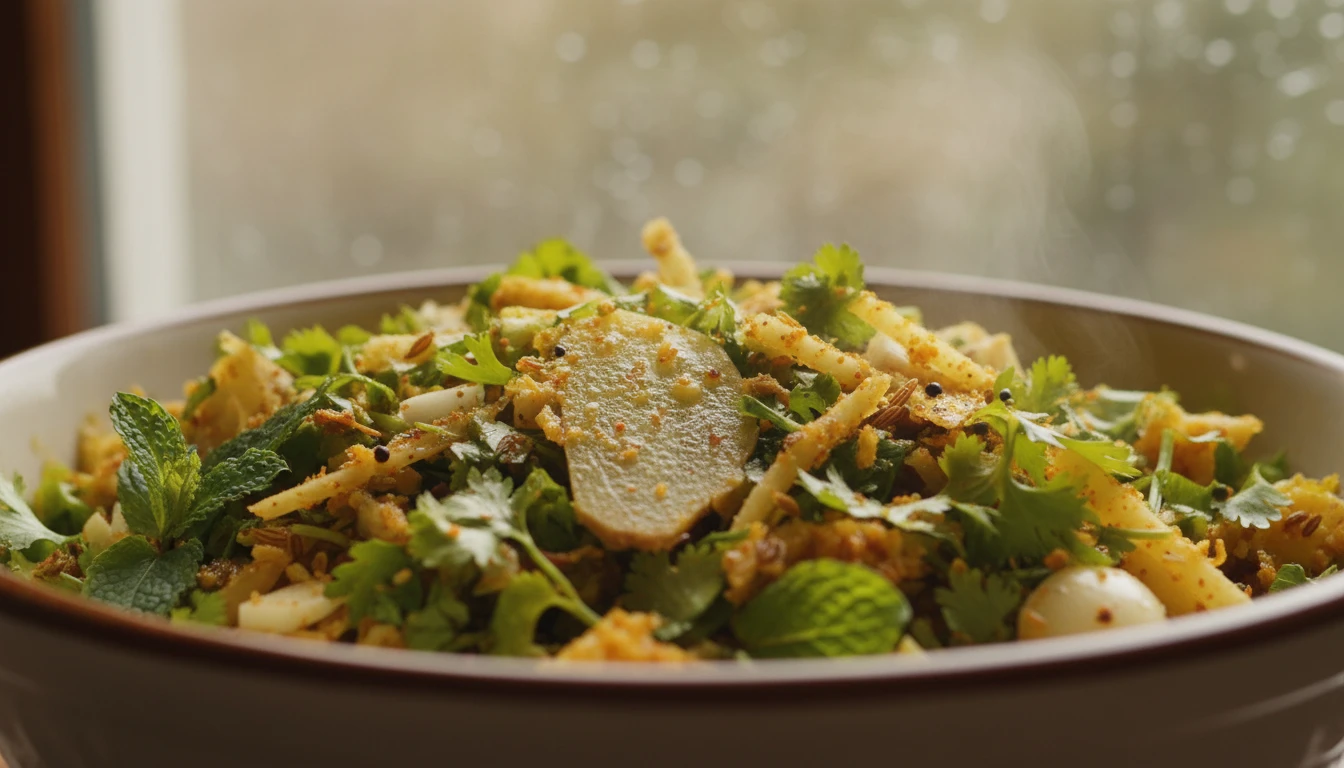
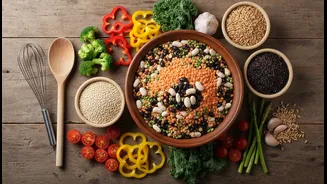
In the quest for healthy eating, we often focus on balancing major food groups. But a deeper level of wellness comes from dietary diversity. This means going beyond eating a vegetable and instead eating many different kinds of vegetables. The same principle
applies to everything on our plate. A diverse diet feeds a wider range of beneficial gut bacteria, which is crucial for digestion, immunity, and overall health. When we eat the same few foods on repeat, we limit the variety of nutrients we absorb and risk creating a monotonous gut microbiome. By rotating our food choices, we expose our bodies to a broader spectrum of vitamins, minerals, and antioxidants, ensuring a more robust and resilient system.
The Power of the Pulse Rotation
For many Indian households, dal is a daily staple. But it's easy to get stuck on just one or two favourites, like toor or masoor dal. India's culinary heritage offers a vast library of pulses, each with a unique nutritional profile. For instance, moong is light and easy to digest, while urad dal is a rich source of iron and protein. Chana dal provides a nutty flavour and is packed with fibre, while rajma offers sustained energy. By simply rotating through different dals each week—perhaps trying horse gram or black-eyed peas (lobia)—you ensure a wider intake of amino acids, fibre, and essential minerals like iron, potassium, and magnesium. This simple rotation is a powerful strategy for building a more complete plant-based protein intake.
Reclaiming Our Grains
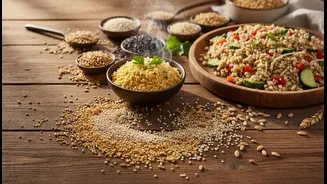
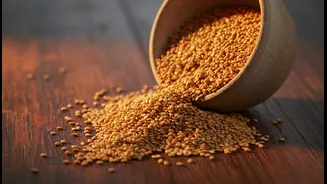
While wheat and rice are foundational grains, India is experiencing a renaissance of its ancient millets—and for good reason. Millets like jowar (sorghum), bajra (pearl millet), and ragi (finger millet) are nutritional powerhouses. They are typically gluten-free, rich in fibre, and have a lower glycemic index compared to refined white rice, which helps in managing blood sugar levels. Ragi is famously high in calcium, while bajra is rich in iron. Incorporating these grains doesn't mean abandoning your favourites. It could be as simple as having millet khichdi for one meal, jowar rotis for another, or starting the day with a ragi porridge. This diversification reduces reliance on refined carbohydrates and introduces a wealth of micronutrients.
Eat the Rainbow, Seasonally
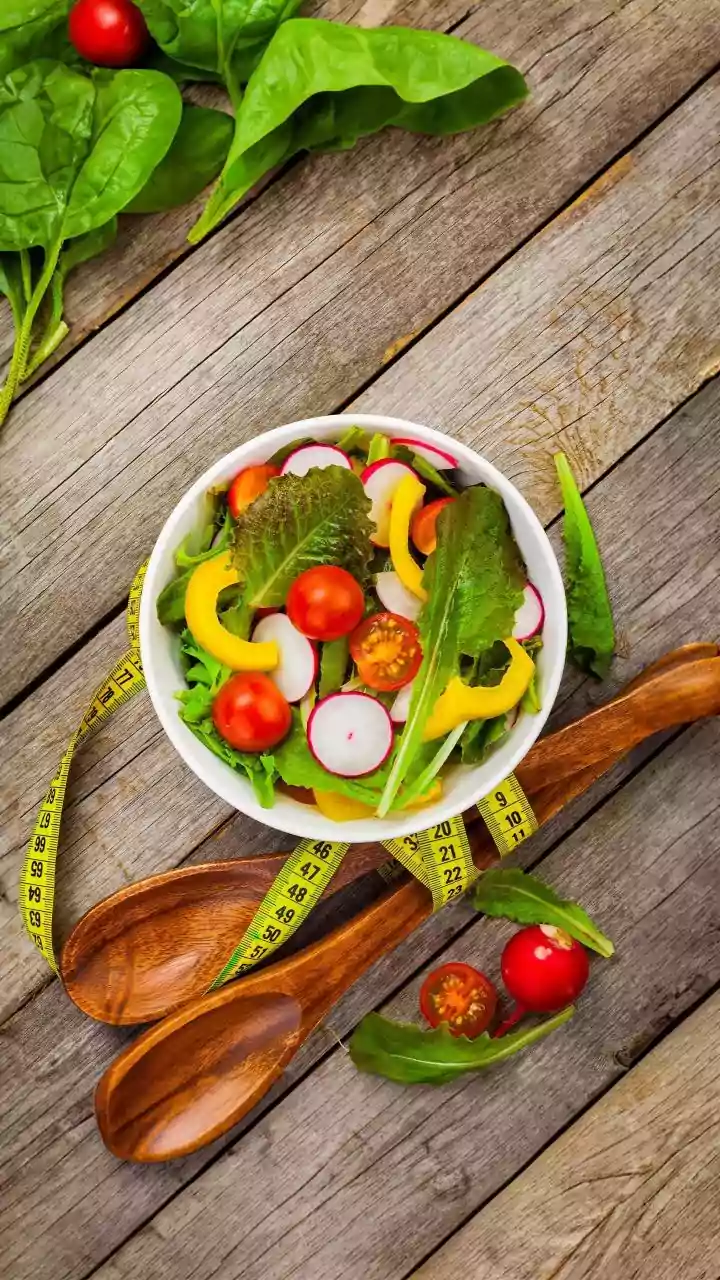
The advice to 'eat the rainbow' is scientifically sound; the different colours in fruits and vegetables correspond to different phytochemicals and antioxidants. But to truly maximise benefits, this should be combined with seasonal eating. Foods that are in season are fresher, more flavourful, and often more nutritious as they are harvested at their peak. Our ancestors naturally ate this way, consuming cooling foods like cucumber in summer and warming root vegetables in winter. Following the seasons naturally introduces variety into your diet over the year. It encourages you to try different gourds during the monsoon, leafy greens in the winter, and juicy mangoes in the summer, ensuring your body gets what it needs to align with the environment.
The Gentle Art of Cooking
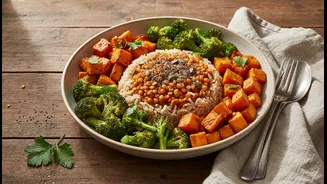
Finally, diversity extends to your cooking methods. How you cook your food can significantly alter its nutritional value. While deep frying can add unhealthy fats and destroy nutrients, methods like steaming, stir-frying, and roasting can enhance them. For example, cooking carrots can make their beta-carotene more available for your body to absorb. Steaming vegetables is one of the best ways to retain water-soluble vitamins like Vitamin C and B vitamins, which can be lost when boiling. By rotating your cooking techniques—perhaps steaming broccoli one day, roasting cauliflower the next, and stir-frying a mix of colourful peppers on another—you not only create different textures and flavours but also optimise the nutrient profile of your meals.