

Beyond the Tourist Trail
Major festivals are undeniably breathtaking, but their scale can sometimes create a distance between the spectator and the event. They are often packaged for tourism, with designated viewing areas and a commercialised atmosphere that, while exciting,
can feel impersonal. Lesser-known festivals, however, unfold within the intimate confines of a village temple or a sacred grove. Here, you are not just a tourist in a crowd; you are a guest. The experience is less about spectating from afar and more about being welcomed into a community's most cherished traditions. The focus shifts from a grand performance to a shared, spiritual experience, offering a chance to witness customs that have remained unchanged for centuries.
The Raw Power of Ancient Rituals
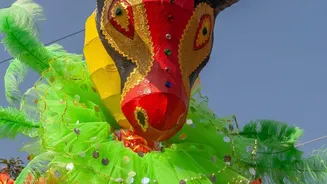
Many of Kerala's most ancient and powerful rituals are found at these smaller festivals. Consider Theyyam, a vibrant and dramatic ritual dance predominantly found in the small temples of North Kerala. Performers, believed to channel the spirit of the deity, don elaborate costumes and mesmerising makeup, dancing themselves into a trance-like state, often through the night. This is not a polished stage show; it is a raw, visceral, and deeply spiritual ceremony where devotees approach the Theyyam for blessings. Similarly, the Padayani festival in Central Travancore features dancers wearing huge, intricate masks (kolams) made from areca palm sheaths to placate the goddess Bhadrakali. These events connect participants and onlookers to a pre-Hindu, tribal past.
Intimate Spectacles and Community Spirit
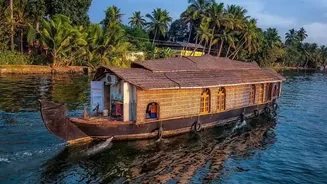
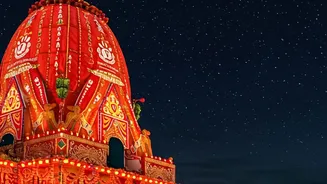
While grand festivals impress with size, smaller ones charm with their unique character and community spirit. Take the Attuvela Mahotsavam in Kottayam, for instance. Instead of a massive ground procession, this festival is a serene water carnival. A beautifully illuminated replica of the local temple floats down the river, accompanied by smaller decorated canoes and traditional music, creating a magical, almost dreamlike spectacle on the water. This event, which symbolizes one goddess visiting her sister, is a visual delight that feels both grand and deeply personal. Everyone from the local village participates, fostering a powerful sense of community and shared identity that is incredibly welcoming to visitors.
An Invitation, Not an Itinerary
The biggest difference in attending a local festival is the human connection. At a large event, your interactions might be limited to vendors and other tourists. At a village festival, you are more likely to be invited to share a meal, have the rituals explained to you by an elder, or simply share a smile with a family enjoying their traditions. This is because these festivals are not primarily economic events; they are profound expressions of community faith and identity. They offer a chance to escape the typical tourist bubble and engage with the culture on a more meaningful level, where the goal is participation and understanding, not just consumption. Finding these festivals often requires a little more effort—asking locals or checking regional tourism calendars—but the reward is an unparalleled and authentic experience.