






The Post-Lunch Problem
That heavy, lethargic feeling often called a “food coma” is a real physiological response. After you eat, especially a meal rich in carbohydrates, your body breaks the food down into glucose, which enters your bloodstream. This causes your blood sugar
levels to rise. In response, your body releases insulin to help your cells absorb this glucose for energy. A large, carb-heavy lunch can lead to a significant spike in blood sugar, followed by a subsequent crash as insulin does its job a little too well. This rapid fluctuation is what leaves you feeling drained, unfocused, and reaching for another cup of chai or coffee.
How Walking Fights Back
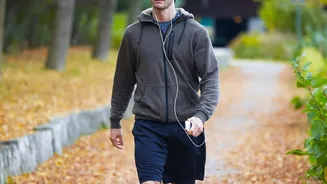
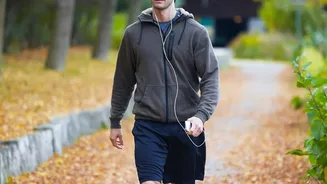
This is where a simple stroll works its magic. When you engage in light physical activity like walking, your muscles need energy. They get this energy by pulling glucose directly from your bloodstream. This process helps to lower your blood glucose levels more gradually, preventing the dramatic spike that leads to the later crash. Instead of your body relying solely on a surge of insulin, your muscles actively participate in managing the influx of sugar. This creates a more stable energy curve, helping you bypass the afternoon fatigue and stay alert.
The Ideal Timing and Duration
You don't need to run a marathon to reap the rewards. Research shows that even a walk as short as two to five minutes can have a positive effect on moderating blood sugar levels. However, for optimal benefits, most experts recommend a 10 to 15-minute gentle walk. The timing is also key. The best window to walk is within 60 to 90 minutes after you finish your meal, as this is when blood sugar levels typically peak. Some studies suggest that walking immediately after eating is even more effective for blood sugar control than waiting. The goal is a light, comfortable stroll, not a strenuous workout, which could actually hinder digestion.
More Than Just Blood Sugar
The benefits of a post-meal walk extend beyond just energy levels. Gentle movement helps stimulate the stomach and intestines, promoting better digestion. This physical activity, often called a 'fart walk' colloquially, helps move food and gas through your digestive tract, which can significantly reduce uncomfortable symptoms like bloating, gas, and indigestion. Over time, making this a consistent habit can also contribute to better heart health by helping to manage blood pressure and supporting long-term weight management goals when combined with a healthy diet.
Making it a Daily Habit
Incorporating a post-lunch walk into your busy day is easier than it sounds. If you're at the office, suggest a walking meeting or simply take a 10-minute stroll around the building or a nearby park. If you work from home, a quick walk around your neighbourhood is a great way to break up the day and get some fresh air. Even walking around your living room while on a phone call counts. The key is consistency. By linking the walk to a daily event you already do—eating lunch—you make it easier to build a lasting and beneficial routine.