


The Science of a Golden Hue
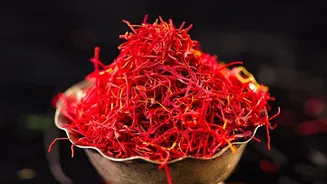
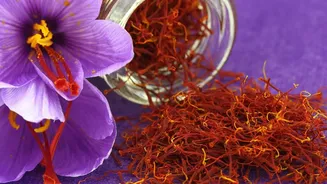
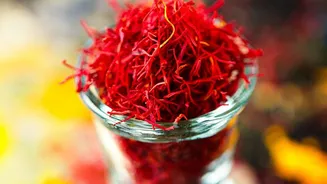
The magic of saffron's colour lies in its chemical composition. The deep red threads of the saffron crocus contain a powerful, water-soluble compound called crocin. Crocin is a type of carotenoid, the same family of pigments that gives carrots their orange
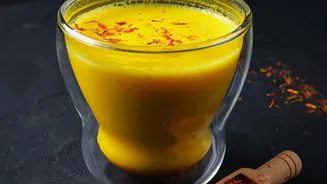
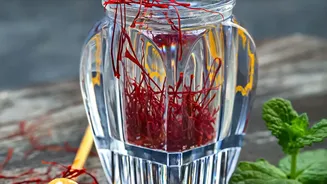
colour and tomatoes their red. However, crocin is unique because unlike most carotenoids, it dissolves readily in water. When you add saffron threads to a liquid, the crocin molecules are released, staining the liquid with their signature golden-yellow shade. The intensity of this colour is so prized that it is a key factor in grading the quality of saffron worldwide. While the threads themselves are red, the colour they impart is always a beautiful yellow to orange.
Unlocking the Colour: The Blooming Technique
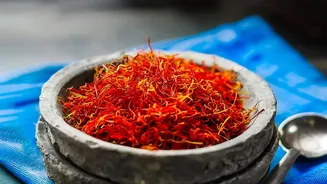
Simply sprinkling dry saffron threads onto a dish will not yield the best results. To unlock the full potential of both its colour and aroma, saffron needs to be 'bloomed'. This involves steeping the threads in a warm liquid for at least 15 to 20 minutes before adding them to your recipe. The liquid can be water, milk, or broth, depending on the dish you're making. It should be warm, but not boiling, as excessively high temperatures can destroy the delicate flavour and aroma compounds. Gently crushing the threads in a mortar and pestle before steeping can also help, as it increases the surface area and allows the crocin to release more efficiently. This simple infusion process ensures the colour is distributed evenly throughout the dish, preventing blotches and making a small pinch of the precious spice go a long way.
Iconic Dishes Glowing with Saffron
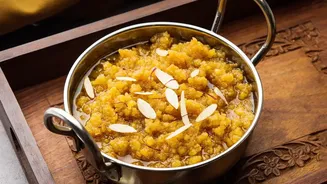
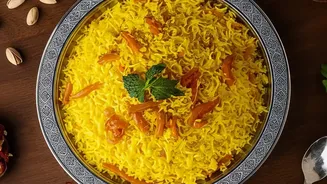
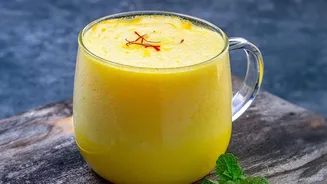
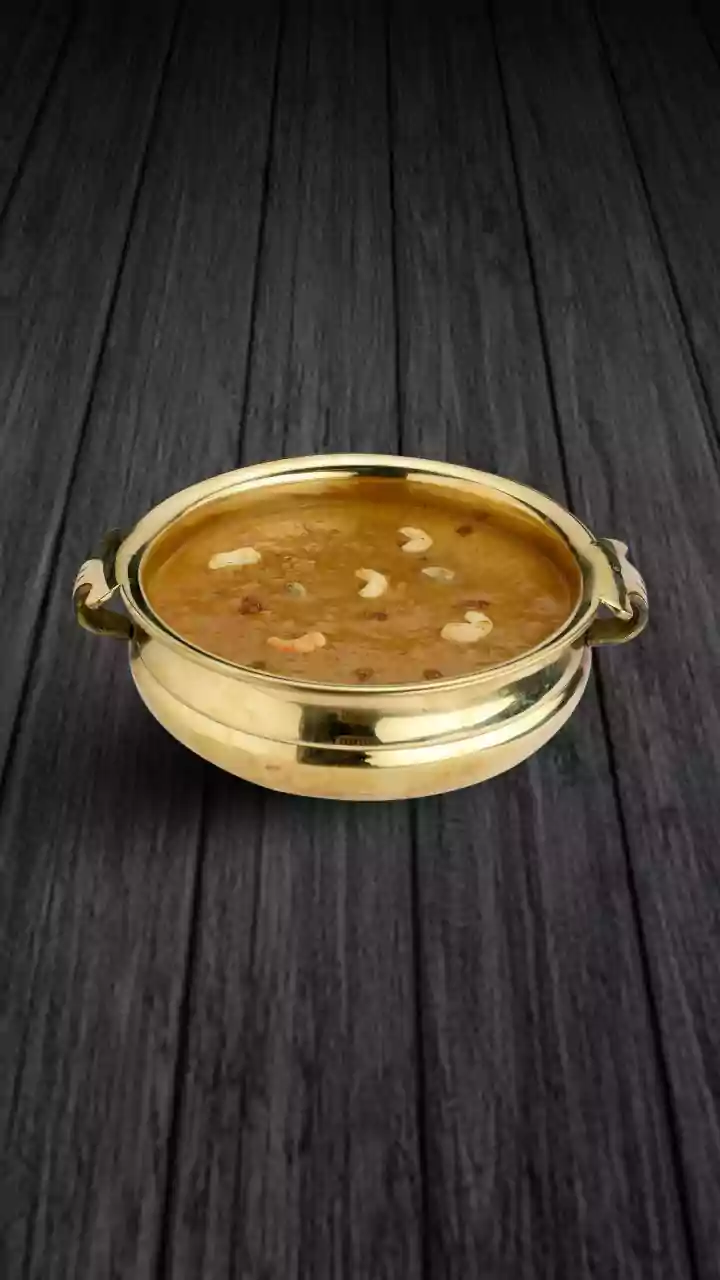
In Indian cooking, saffron, known as 'kesar', is reserved for dishes that are special and celebratory. Its most famous application is in Biryani, particularly the Hyderabadi Dum Biryani, where saffron-infused milk is drizzled over layers of rice and meat to create iconic golden streaks. Saffron is also essential in a host of traditional sweets, or 'mithai'. It lends a luxurious colour and subtle flavour to milk-based desserts like Kheer (rice pudding), Phirni, and Kulfi (traditional Indian ice cream). From the semolina-based Kesari Halwa to the royal Shahi Tukda, the presence of saffron signals a dish made with care and reverence. Even a simple glass of warm milk can be transformed into the comforting 'Kesar Doodh', a wellness drink enjoyed for generations.
Spotting Real Saffron From Fakes
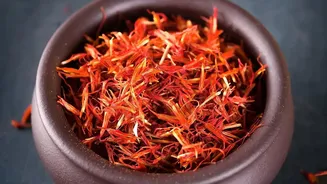
Given its high price, saffron is unfortunately one of the most commonly adulterated spices. Fakes often consist of dyed corn silk, safflower threads, or other plant materials that mimic the appearance of real saffron. A reliable home test is to drop a few threads into a glass of cold water. Real saffron will release its golden-yellow colour slowly, and the threads themselves will remain red. Fake saffron often bleeds a vibrant red or orange colour almost instantly as the artificial dye dissolves. Real saffron threads are trumpet-shaped, feel dry and brittle, and have a distinct aroma described as being like honey and hay. If the threads feel moist or the colour seems unnaturally uniform, it may be an imitation. Finally, real saffron has a slightly bitter taste; if it tastes sweet, it might have been weighted with sugar or honey.