




From Side Dish to Centre Stage
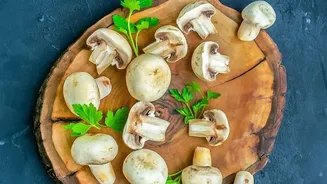
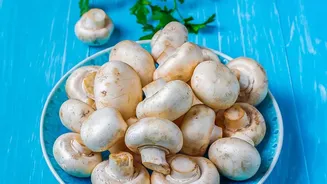
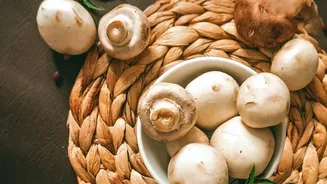
For years, the mushroom's role in mainstream Indian cuisine was predictable. Button mushrooms, the most common variety, appeared in familiar dishes like mushroom masala or kadai mushroom, often playing a supporting role to other ingredients. While delicious,
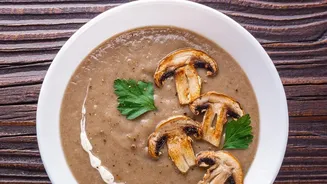
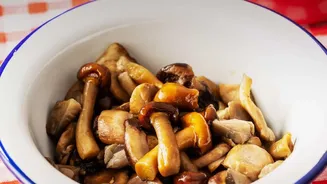
these preparations rarely explored the full potential of fungi. That landscape is now changing dramatically. The button mushroom, once the sole representative, is making way for a diverse cast of characters: shiitake, oyster, portobello, and lion's mane are now commonly found on menus. This shift is driven by a new generation of chefs and diners who are looking beyond the conventional, transforming the mushroom from a culinary afterthought into the star of the plate.
A Taste for the Exotic and the Local
So, what’s behind this newfound appreciation? A major factor is the increased availability of diverse mushroom species. Local, specialised farms in regions like Haryana and near Bengaluru are now cultivating gourmet varieties that were previously hard to source. These farms are supplying directly to restaurants and cafes, ensuring freshness and quality. Young diners, with palates influenced by global travel and food media, are eager to experiment. They are drawn to the unique profiles of these specialty mushrooms—the meaty texture of a portobello, the delicate flavour of an oyster mushroom, or the rich, umami depth of shiitake. This has opened up a new world of culinary possibilities, moving far beyond traditional curries.
The Health and Wellness Connection
The mushroom's rise is also deeply connected to the growing wellness movement. For health-conscious millennials and Gen Z, mushrooms are a nutritional powerhouse. They are low in calories, a good source of protein, and one of the few plant-based sources of Vitamin D. Many varieties are also considered functional foods, believed to offer benefits like boosting immunity and reducing inflammation. As more young Indians embrace plant-forward diets, mushrooms have become a popular meat substitute, offering a satisfyingly dense texture and a savory flavour that mimics meat. This makes them a perfect ingredient for a generation that prioritises both health and taste.
Creativity Unleashed in Cafe Kitchens
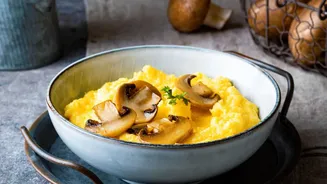
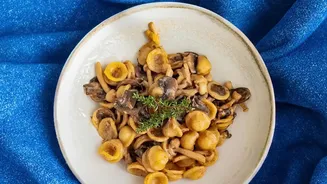
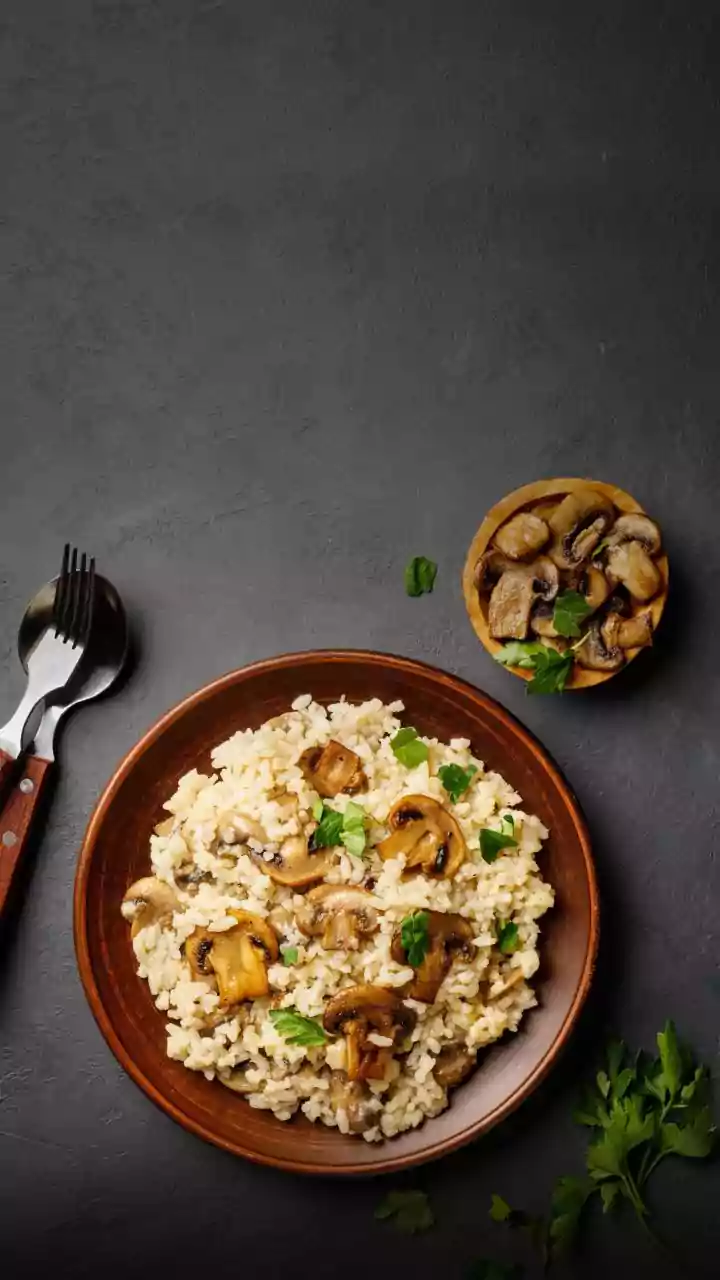
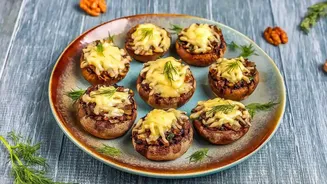
Indian cafes are becoming playgrounds for mushroom-centric innovation. In cities like Bengaluru, Mumbai, and Delhi, menus are buzzing with creative dishes. You'll find everything from hearty mushroom galettes and forest mushroom scrambles to sophisticated truffle oil-infused pastas. The classic toast gets an upgrade with creamy mushroom toppings, and even traditional South Indian snacks like paniyaram are being reinvented with a mushroom filling. This creativity extends to beverages, with mushroom coffee—blends of coffee with functional mushrooms like Lion's Mane or Reishi—gaining traction as a wellness drink. These dishes aren't just novel; they highlight the versatility of mushrooms in a way that feels modern and exciting.
An Instagram-Worthy Ingredient
In the age of social media, we eat with our eyes first, and mushrooms are undeniably photogenic. The unique shapes of oyster mushrooms, the vibrant pink of certain varieties, and the artful arrangement of a mushroom tart make for highly 'Instagrammable' content. Young diners are not just consumers but also curators of their own digital food diaries. A visually appealing dish is likely to be shared, creating a ripple effect that amplifies the trend. Cafes understand this, presenting their mushroom creations with an aesthetic flair that encourages customers to snap a photo before they take a bite, further cementing the mushroom's status as a trendy and desirable ingredient.