



Why Are Millets Getting Expensive?
The recent surge in millet prices isn't your imagination. It's a classic case of demand outpacing supply. A major factor was the 'International Year of Millets' initiative, which successfully boosted awareness about their health benefits. This led to a sharp
increase in demand from health-conscious urban consumers and even large food companies now creating millet-based pastas, cereals, and snacks. This new-found popularity, coupled with increased export demand, has put a strain on supplies. At the same time, erratic weather patterns, including droughts and unseasonal rains in key growing states like Maharashtra and Karnataka, have affected crop yields. While the government has increased the Minimum Support Price (MSP) for millets like jowar and bajra to encourage farmers, the complex supply chain from farm to city also adds to the final cost you pay at the store.
Get to Know Your Local Millets
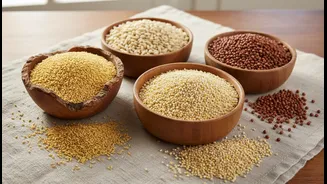
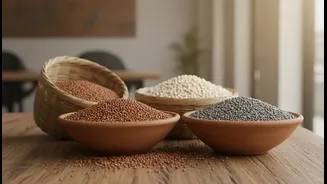
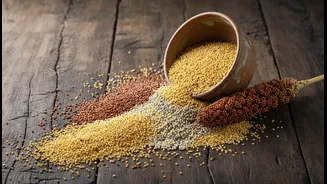
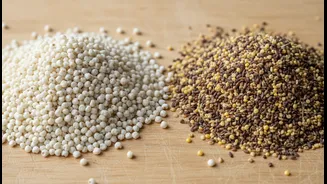
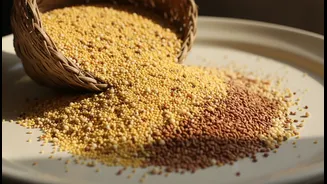
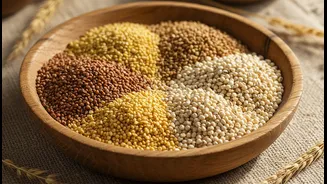
Before you shop, it helps to know what you're looking for. India grows a wonderful variety of millets, each with its own flavour, texture, and price point. The most common ones you'll find are Jowar (Sorghum), Bajra (Pearl Millet), and Ragi (Finger Millet). Beyond these, there are smaller or minor millets like Kangni (Foxtail Millet), Sama (Little Millet), Kodo Millet, and Sanwa (Barnyard Millet). While some packaged and branded millets can be pricey, locally-grown and sourced varieties are often more affordable. For instance, Jowar and Bajra are widely cultivated across several states and tend to be more budget-friendly than some of the less common or 'exotic' varieties that are heavily marketed. Understanding the local names—like 'Nachni' for Ragi in western India—can also help you find better deals in neighbourhood markets.
Buy in Bulk, but Store It Right
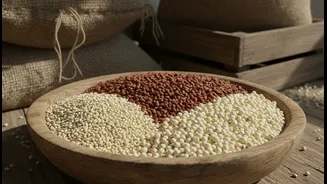
One of the best ways to save on grains is to buy from wholesale markets or in larger quantities. Many online retailers also offer combo packs that can bring down the per-kilogram cost. However, this strategy only works if you can store the millets properly. Unlike polished rice, millets contain natural oils that can turn rancid if exposed to heat, air, and moisture. To protect your purchase, store the grains in clean, dry, and airtight containers—glass or stainless steel are ideal. Keep them in a cool, dark cupboard away from the stove and sunlight. For even longer shelf life, especially in humid climates, you can store whole millets in the refrigerator for up to six months or in the freezer for up to a year.
Consider Millet Flours and Rava
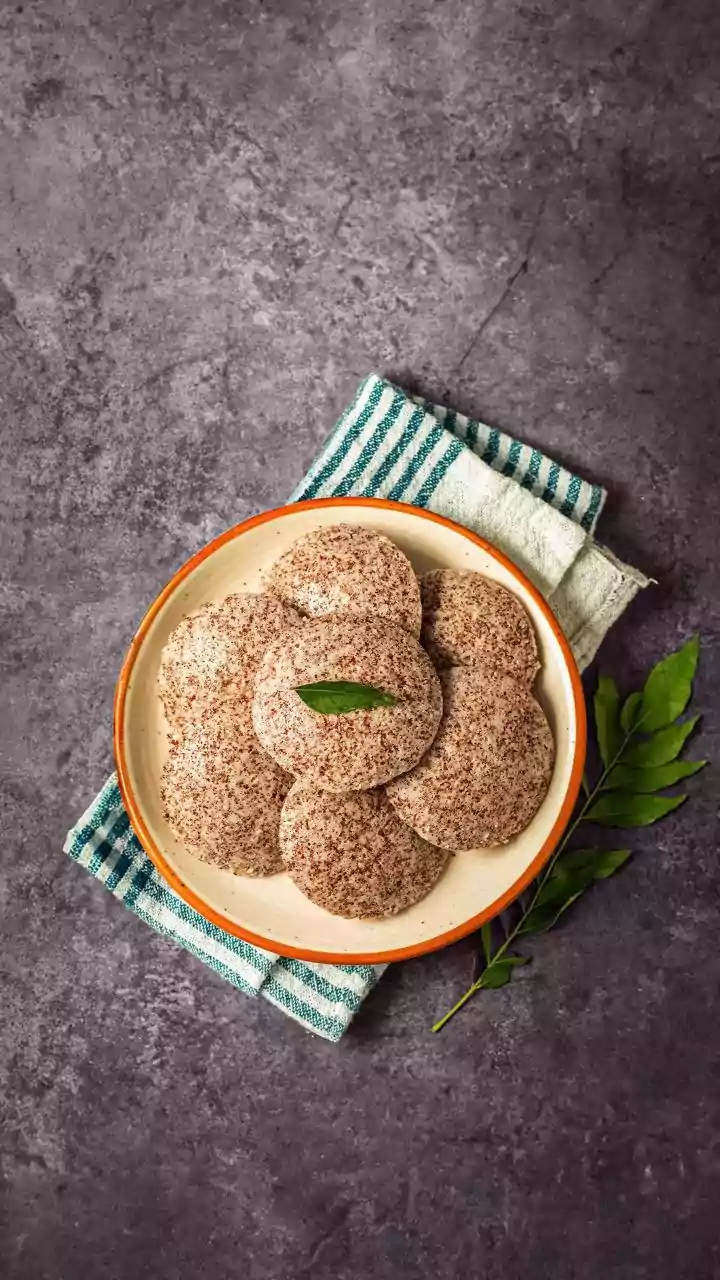
If you're finding whole millet grains too expensive, millet flours (atta) or broken millets (rava/dalia) can be a versatile and cost-effective alternative. Ragi flour, jowar flour, and bajra flour are widely available and perfect for making everything from rotis and dosas to porridge and baked goods. These forms are often processed in larger volumes, which can make them slightly cheaper than whole grains that require more careful de-hulling and cleaning. Using flours is also a fantastic way to easily incorporate the nutritional benefits of millets into everyday meals for the whole family without drastically changing eating habits.
Don’t Overlook the ‘Lesser-Known’ Gems
While Ragi and Jowar get much of the spotlight, don't ignore other varieties like Foxtail Millet (Kangni) or Barnyard Millet (Sanwa). These are often referred to as 'positive millets' in traditional food wisdom. Because they are not as mainstream, their prices haven't skyrocketed as much in some local markets. These minor millets are just as nutritious, packed with fibre and minerals, and cook relatively quickly. They are excellent for making upma, khichdi, or even as a simple substitute for rice. Exploring these options not only adds variety to your diet but can also be a smart move for your wallet. Ask your local grocer about the millets they source from nearby farms, as these are often the freshest and most reasonably priced.