




Understanding Pododermatitis
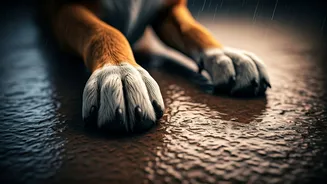
Pododermatitis is not a disease itself, but a medical term for inflammation of the paws. It can affect the skin between the toes, the footpads, and the nail folds. While it has many potential causes, including allergies, foreign bodies, and infections,
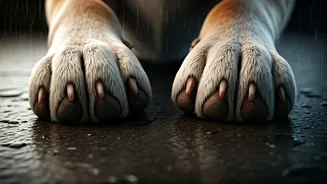
the condition is particularly common during the Indian monsoon. The constant exposure to moisture softens the paw pads, making them more susceptible to injury and infection from bacteria and fungi that thrive in wet, humid environments.
Key Signs of Paw Trouble
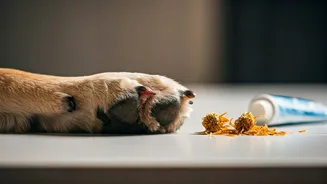
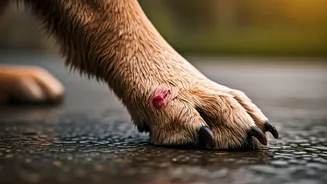
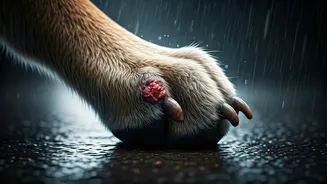
A healthy paw is a happy paw, but problems can be subtle at first. The most common initial sign of pododermatitis is your dog persistently licking or chewing their paws. This is a clear signal of itchiness, pain, or discomfort. As you inspect their paws, look for redness and swelling, especially in the delicate skin between the toes. Other warning signs include visible sores, blisters, hair loss on the paws, or a discharge that may have a foul odour. In some cases, you might notice your dog limping or being reluctant to walk, which indicates that the inflammation has become painful.
Monsoon: The Perfect Storm for Paw Problems
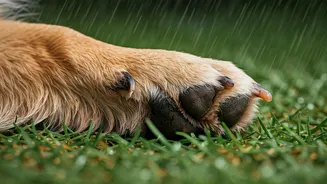
Why is the rainy season so tough on dog paws? The combination of high humidity and constant wetness creates the perfect breeding ground for bacteria and yeast. Your dog's paws, which might never fully dry between walks, can develop secondary infections. Puddles of stagnant water, a common sight during monsoon, can harbour not just dirt but also dangerous bacteria. Even a small cut or scrape, which might go unnoticed, can become a gateway for a serious infection when exposed to this contaminated environment. Constant dampness also weakens the skin's natural protective barrier.
A Daily Prevention Routine
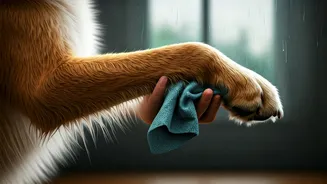
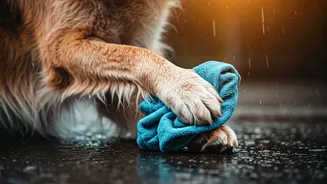
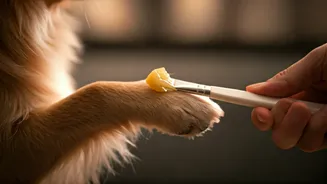
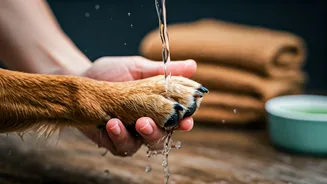
Prevention is the cornerstone of monsoon paw care. The single most important habit is to clean and thoroughly dry your dog's paws after every single walk. Use a clean, absorbent microfibre towel and pay special attention to the areas between the toes where moisture loves to hide. Trimming the hair between the paw pads can also help, as it reduces the surface area for mud and water to cling to. Inspect the paws daily for any cuts, thorns, or signs of redness. Applying a thin layer of a pet-safe paw balm before walks can offer an extra layer of protection against harsh, wet surfaces.
When to Consult Your Veterinarian
While a good prevention routine can ward off many issues, it's crucial to know when professional help is needed. If you notice persistent symptoms like swelling that doesn't subside, open sores, heavy discharge, or if your dog is in visible pain, it's time to see the vet. Home remedies are not a substitute for a proper diagnosis. A veterinarian can determine the specific cause of the pododermatitis—whether it's fungal, bacterial, or allergy-related—and prescribe the correct treatment, which might include medicated washes, antibiotics, or anti-inflammatory medication. Early intervention can prevent the condition from becoming a chronic and frustrating problem.