





Brisk Walking: Your Everyday Cardio
Often underestimated, brisk walking is one of the most accessible and effective forms of low-impact exercise. To get your heart rate into the beneficial aerobic zone, the key is intensity. Aim for a pace where you can still talk, but not sing. Studies
show that regular brisk walking can lower your risk of high blood pressure, high cholesterol, and other cardiovascular diseases. A 30-minute walk five days a week is linked to a significant reduction in coronary heart disease risk. It strengthens your heart, improves circulation, and helps manage weight, all while being gentle on your knees and hips. For many, the consistency that walking allows makes it one of the best long-term strategies for heart health.
Swimming: The Ultimate Joint Saver
Swimming is frequently recommended by doctors as a top-tier exercise for heart health, especially for those with joint pain, stiffness, or arthritis. The water's buoyancy supports your body, removing impact from the equation while its resistance provides a full-body workout. Regular swimming strengthens the heart muscle, improves blood pressure, and lowers your resting heart rate. Research has shown that swimmers have a markedly lower risk of death from heart disease or stroke. By engaging your heart, lungs, and circulatory system, it's a powerful way to build cardiovascular endurance without the strain of land-based exercises.
Cycling: Indoors or Out
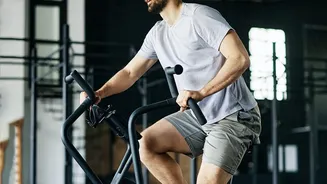
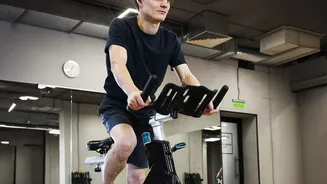
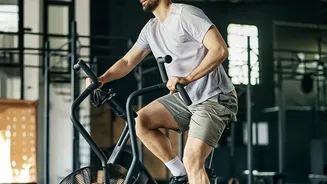
Whether on a stationary bike or cruising through your neighbourhood, cycling is a fantastic low-impact activity that delivers major cardiovascular benefits. As an aerobic exercise, it gets your heart pumping to improve blood flow and strengthen the heart muscle over time. Regular cycling is associated with a lower risk of cardiovascular disease, helping to manage blood pressure, reduce blood fat levels, and improve cholesterol profiles. Because it's a non-weight-bearing activity, it’s an excellent choice for individuals with knee, hip, or lower-back concerns who still want a vigorous workout. You can easily adjust the intensity by changing your speed or resistance, making it suitable for all fitness levels.
Elliptical Training: Smooth and Effective
The elliptical machine is a gym staple for a reason: it offers a workout that mimics running but without the harsh impact. The smooth, gliding motion is gentle on your ankles, knees, and hips, making it ideal for people managing joint discomfort or recovering from an injury. Despite being low-impact, it provides an excellent cardio workout that elevates your heart rate, improves endurance, and strengthens your heart and lungs. Many machines feature movable handlebars, allowing you to engage your upper body for a more comprehensive, calorie-burning session. It's a controlled and efficient way to meet your weekly exercise goals and support long-term heart health.
Rowing: A Full-Body Powerhouse
Don't overlook the rowing machine. It offers one of the most comprehensive workouts available, engaging over 85% of your body's muscles in a single, fluid motion. This full-body engagement means your heart must work efficiently to pump blood everywhere, significantly boosting your cardiovascular fitness. Rowing is incredibly low-impact, protecting your joints while you build both strength and endurance. Regular sessions can improve heart function, enhance circulation, and may even help lower LDL (bad) cholesterol levels. It's a highly effective way to achieve a high-intensity workout without the high-impact stress.
Low-Impact Bodyweight Circuits
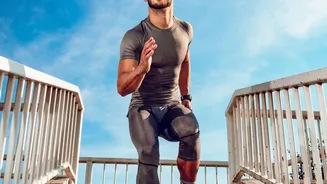
You don't always need a machine to get a joint-friendly cardio workout. A well-designed bodyweight circuit can effectively raise your heart rate. By performing a series of exercises like squats, wall push-ups, and standing oblique crunches in quick succession with minimal rest, you create a cardiovascular challenge. Movements like lateral shuffles or reverse lunges without the jump keep one foot on the ground, minimizing impact while still demanding effort. This approach not only strengthens muscles but also improves heart and lung function. It’s a versatile and free way to get your heart pumping anywhere, anytime.