



The Hidden Danger of Too Much Water
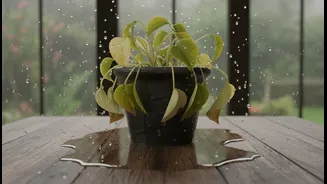
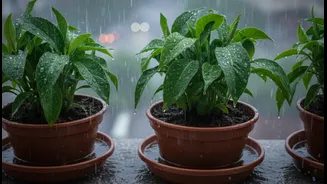
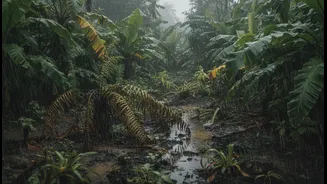
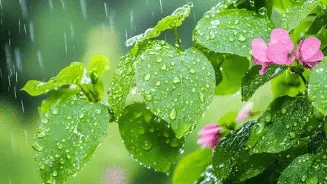
During the monsoon, the combination of heavy rainfall and high humidity means the soil in your pots and garden beds stays saturated for long periods. While water is essential, an excess of it is a plant's worst enemy. When soil becomes waterlogged, the air
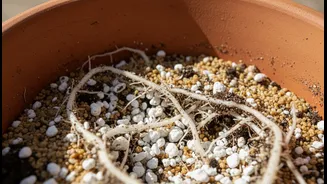
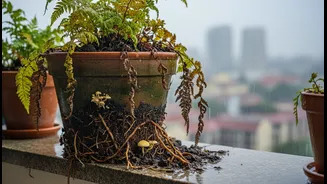
pockets that roots need to breathe disappear. This effectively drowns the roots, leading to a condition called root rot, one of the most common and devastating problems during the rainy season. This decay prevents the plant from absorbing nutrients, causing it to wilt and eventually die, even though it's sitting in wet soil. Furthermore, the constantly damp environment is a perfect breeding ground for fungal diseases that can quickly spread andDamage your entire garden.
Your Best Tool: The Finger Test
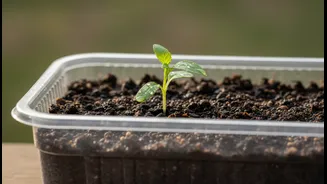
Forget your regular watering schedule. During the monsoon, your most reliable tool is your own finger. Before even thinking about reaching for the watering can, insert your finger about one to two inches into the soil. If the soil feels moist, your plant does not need more water. Even if the top layer looks dry, the soil underneath could still be saturated. This simple, tactile check is the most effective way to prevent overwatering. Only water your plants when the soil is genuinely dry to the touch. This rule applies even to plants kept under a covered balcony, which may not receive direct rain but are still affected by the high ambient humidity.
Decoding the Signs of Distress
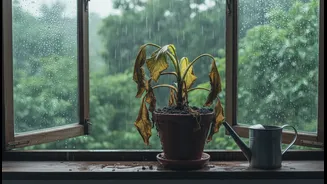
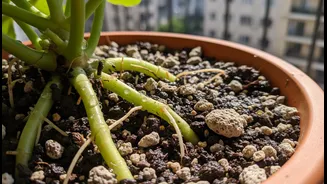
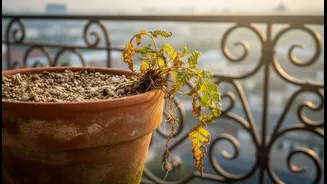
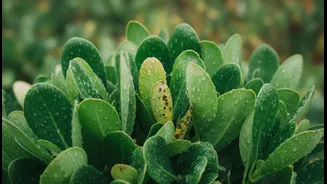
Plants are excellent communicators, and they will show clear signs when they are getting too much water. One of the most common signals is yellowing leaves, which often start from the bottom of the plant and move upwards. It’s important to note that both overwatering and underwatering can cause wilting. The key difference is the feel of the leaves: an overwatered plant’s leaves will be soft and limp, whereas an underwatered plant's will be dry and crispy. Other telltale signs include mushy stems near the base, premature leaf drop, and the appearance of mould on the soil surface or blisters on the leaves. If you spot these symptoms, stop watering immediately.
Prioritise Excellent Drainage
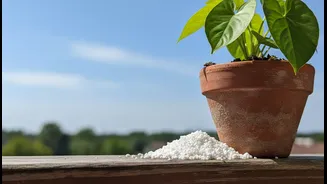
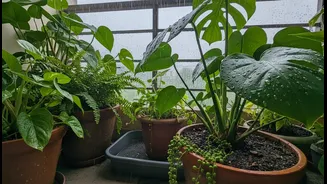
The foundation of successful monsoon gardening is excellent drainage. For potted plants, ensure every container has drainage holes at the bottom to allow excess water to escape. If you notice water collecting in the saucer, empty it promptly. You can also elevate pots on bricks or stands to improve airflow and prevent them from sitting in stagnant water. For garden beds, improving soil structure is key. Incorporating organic matter like compost, or materials like sand and perlite, helps break up heavy soil and creates channels for water to drain away. In areas prone to waterlogging, creating raised beds can be the most effective solution, lifting the plant's root zone above the saturated ground.
Adjust for Different Plant Needs
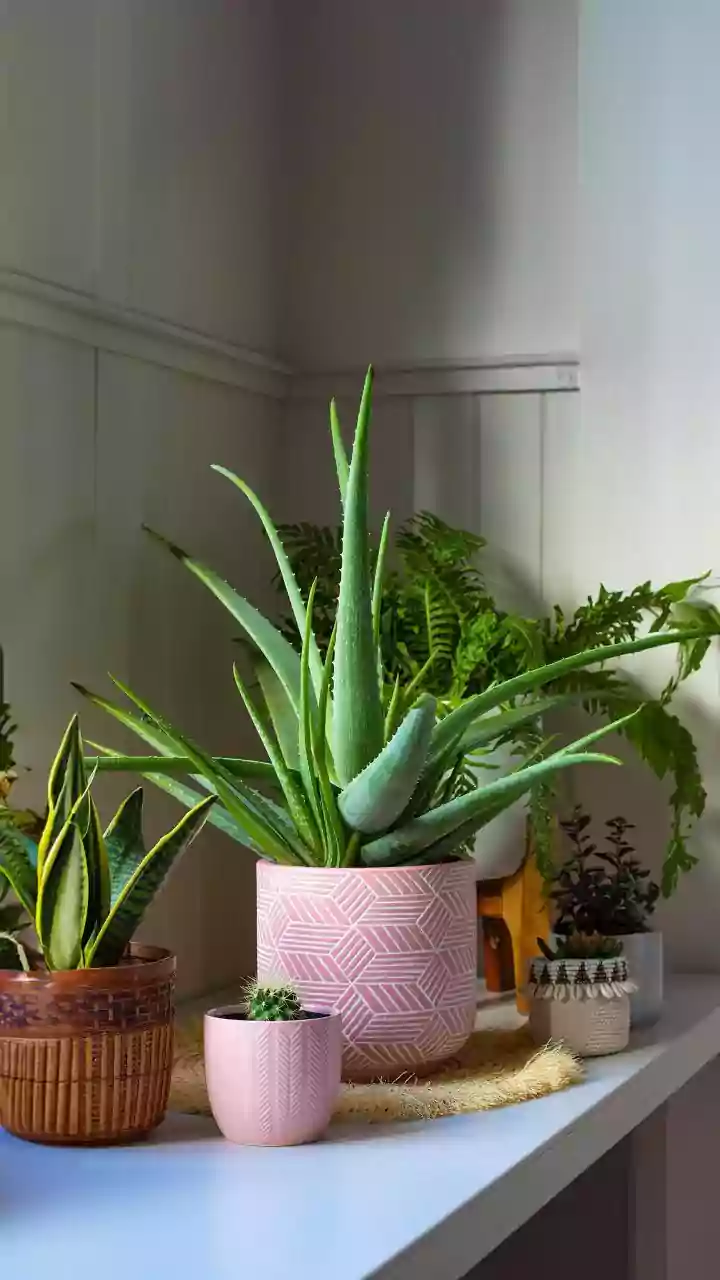
Not all plants are created equal, especially when it comes to their water requirements. Drought-tolerant plants like succulents and cacti are particularly vulnerable during the monsoon. These plants are adapted to dry conditions and are highly susceptible to root rot in consistently damp soil. If possible, move them to a sheltered location where they are protected from heavy rain. In contrast, tropical plants may enjoy the humidity but can still suffer from waterlogged soil. Always research the specific needs of your plants and adjust your care accordingly. The goal is to provide consistent moisture, not constant saturation.