



The Science of Heat Stress in Cattle
Dairy animals like cows and buffaloes have a comfort zone, a specific range of temperature and humidity where they thrive. When the Temperature-Humidity Index (THI) climbs, they begin to experience 'heat stress'. This happens when an animal's body generates
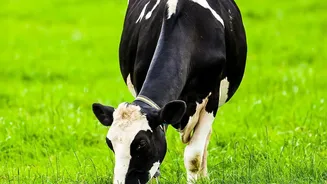
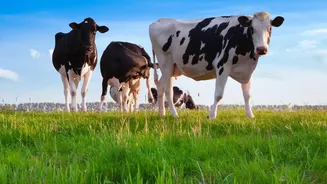
and absorbs more heat than it can dissipate. To cope, they start panting, sweating, and their breathing becomes rapid and shallow. This isn't just discomfort; it's a physiological battle for survival. The animal's primary focus shifts from producing milk to simply trying to stay cool, diverting precious energy towards thermoregulation. High-yielding crossbred cows are particularly vulnerable because their high metabolism already generates significant internal heat. Buffaloes are also at high risk as they have fewer sweat glands and darker skin, making it harder to cool down.
Less Milk and Lower Quality
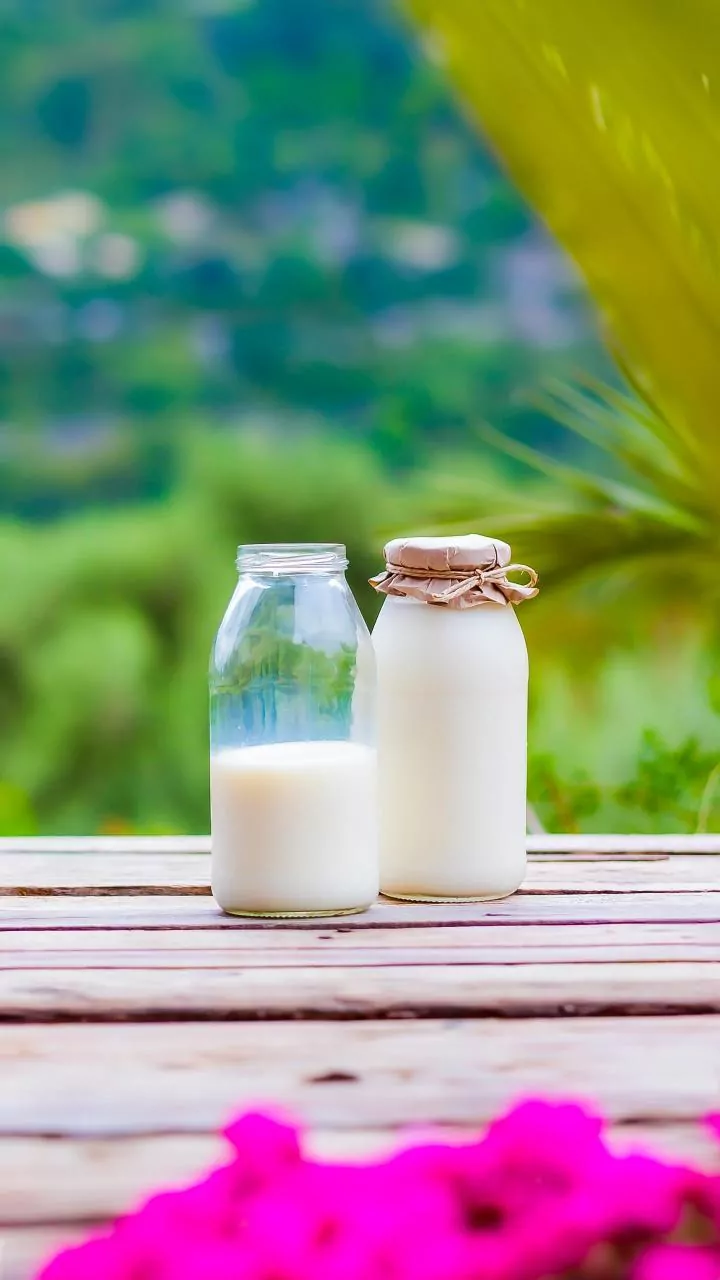
The most direct impact of heat stress is a drop in milk production. A stressed animal eats less, reducing its intake of the nutrients needed to create milk. Studies and farmer reports from across India show that milk yield can drop by 10% to 30% during peak summer months. But the problem isn't just about quantity. Heat stress also affects the quality of the milk. The concentration of fat and protein can decrease, which not only impacts its nutritional value but also its market price, as dairy cooperatives often pay based on this content. In some cases, severe stress can even increase the somatic cell count in milk, an indicator of udder infection.
The Farmer's Double Burden
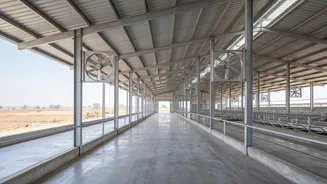
For India's more than 80 million dairy farmers, most of whom are smallholders with just a few animals, heatwaves create a severe economic squeeze. On one hand, their income drops due to lower milk output. On the other, their expenses rise. To protect their animals, farmers must invest in cooling measures like fans, sprinklers, or shade structures. These additions increase electricity and water consumption, which can be costly and challenging, especially in regions facing water scarcity. Furthermore, heat-stressed animals are more susceptible to diseases and reproductive problems, leading to higher veterinary bills and a shorter productive lifespan for the cattle. This combination of lower revenue and higher costs puts immense pressure on the livelihoods that form the backbone of India's dairy sector.
The Ripple Effect on Your Kitchen Budget
The issues on the farm don't stay on the farm. A widespread drop in milk collection tightens the overall supply. As India's demand for milk and dairy products like paneer, ghee, and curd continues to grow, this supply crunch can lead to price volatility. In recent years, dairy brands have cited climate-related stress and increased production costs as key drivers behind milk price hikes. The annual economic loss in India due to heat-related decline in milk production is already estimated to be in the thousands of crores. Projections suggest that without significant interventions, milk production could decline by as much as 25% in some regions by the end of the century, meaning the price you pay for daily dairy essentials could become increasingly unstable.
Searching for Cooler Solutions
The good news is that farmers, researchers, and the government are actively working on solutions. Simple, low-cost strategies like ensuring constant access to clean, cool water, providing adequate shade, and adjusting feeding times to cooler parts of the day can make a big difference. More advanced methods include installing fans and sprinkler systems that intermittently soak the animals to promote evaporative cooling. Nutritionally, providing high-quality, easily digestible feed can help animals maintain their energy levels. Looking ahead, there is a growing focus on breeding more heat-tolerant indigenous cattle breeds and developing better early warning systems to help farmers prepare for heatwaves.