





Beyond the Comfort of Manchurian
For years, the Indian relationship with Asian food was a comforting but limited affair, dominated by the spicy, tangy, and deeply familiar flavours of Indian Chinese. Dishes like chilli paneer and vegetable manchurian became so integrated into the culinary
landscape that they felt as local as dal makhani. But a significant shift is underway. While that love affair continues, a new generation of diners, armed with global exposure and adventurous palates, is looking further east. The subtle, refined tastes of Japan and the bold, fermented notes of Korea are no longer niche interests. They are rapidly becoming mainstream, creating a new chapter in India's engagement with Asian food, with a distinctly vegetarian focus.
The K-Wave on Your Plate
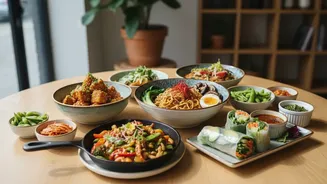
Much of the credit for the Korean food boom goes to the Hallyu, or Korean Wave. As Indians binged on K-dramas and followed K-pop idols, they saw their favourite stars enjoying dishes like bibimbap, tteokbokki, and japchae. This visual diet sparked a real-world culinary curiosity. Suddenly, ingredients like gochujang (spicy red chilli paste) and kimchi (fermented vegetables) went from obscure to essential. The appeal is clear: Korean food’s profile of spicy, tangy, and savoury notes resonates surprisingly well with the Indian palate, which has a long tradition of relishing heat and fermented pickles. Restaurants and cloud kitchens have responded swiftly, offering vegetarian versions of Korean classics. Tofu replaces meat in bibimbap, hearty vegetable stews are built on doenjang (soybean paste), and chewy tteokbokki (rice cakes) are served in fiery, meat-free sauces.
The Zen of Japanese Cuisine
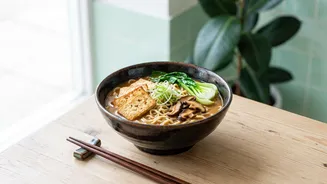
Where Korean food offers a punch of flavour, Japanese cuisine brings a more subtle, umami-rich experience that is also finding a growing audience. Umami, the fifth taste identified in Japan, describes a deep, savoury satisfaction. While the term is Japanese, the principle exists in Indian cooking through techniques like bhuna (slow browning) and ingredients like tomatoes and tamarind. This shared flavour philosophy makes Japanese food feel both novel and accessible. The demand for healthier, lighter options has also boosted its popularity. Vegetarian sushi, with fillings like cucumber, avocado, and tempura vegetables, has become a fixture on menus. Dishes like agedashi tofu (crispy tofu in a savoury broth), vegetable tempura, and hearty ramen bowls with miso or soy-based broths offer a comforting yet refined alternative to spicier fare. Japan’s tradition of 'shojin ryori', or Buddhist vegetarian cooking, provides a deep well of inspiration for meat-free dishes that are both flavourful and mindful.
An Appetite for Authenticity and Adaptation
This trend is not just about importing dishes; it's about a conversation between cultures. While many diners seek authentic flavours, chefs are also cleverly adapting these cuisines to local tastes. This might mean creating a kimchi dosa, a gochujang paneer tikka, or offering Jain-friendly versions of Japanese dishes without onion or garlic. This fusion approach makes the unfamiliar more approachable, bridging the gap between a traditional Indian meal and a new global experience. Furthermore, the trend is not confined to metros like Delhi and Mumbai. A significant rise in orders for Korean food is being seen in cities like Surat, Thiruvananthapuram, and Mysuru, driven largely by Gen Z consumers. The increased availability of ingredients online and in stores allows home cooks to experiment, further embedding these flavours into the Indian kitchen.