


The Foundation: A Flawless Shortbread Crust
The ideal lemon bar starts with a sturdy, buttery shortbread crust that provides a crisp contrast to the soft filling. The number one rule is to pre-bake the crust, a step also known as blind baking. This ensures the crust is firm and golden before the liquid
filling is added, which is the best defence against a soggy bottom. For a tender, melt-in-your-mouth texture, use cold butter. When mixing the dough, be careful not to overwork it; mix just until combined to avoid developing too much gluten, which can make the crust tough. Press the dough firmly and evenly into your pan, creating a solid, gap-free layer. Some bakers even pour the filling over the crust while it's still warm from the oven to create a better seal.
The Star: A Silky, Luscious Lemon Filling
For a truly vibrant lemon flavour, always use fresh lemon juice, not the bottled kind. Bottled juices can have a dull or even chemical taste due to preservatives. But the real secret to an intense lemon aroma lies in the zest. Zest contains the lemon's fragrant oils, which carry most of what we perceive as 'lemon' flavour. A pro tip is to rub the lemon zest into the granulated sugar with your fingers before mixing it into the other ingredients. The abrasive sugar crystals help release the oils, infusing the entire filling with a powerful citrus scent. To avoid a metallic taste, it's best to bake in a glass or ceramic pan, as the acidity of the lemon can react with some metals.
The Bake: Getting the Texture Just Right
The difference between a perfect, custardy lemon bar and one that's either runny or rubbery comes down to bake time. The most reliable way to check for doneness is the 'wobble test'. When you gently jiggle the pan, the edges of the filling should be set, but the centre should still have a slight wobble. If it sloshes around like a liquid, it needs more time. If there's no jiggle at all, it may be overbaked, which can result in a firm or eggy texture. If you notice a white, foamy layer on top after baking, don't worry. This is a common and purely cosmetic result of air bubbles from the eggs rising to the surface; it will be completely hidden by a dusting of powdered sugar.
The Finish: Achieving Clean Slices
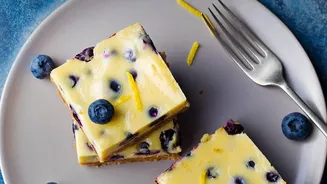
Patience is the final, crucial ingredient. For perfectly clean slices, the bars must be completely cool before you even think about cutting them. First, let the pan cool to room temperature, then transfer it to the refrigerator to chill for at least a few hours, or even overnight. This allows the custard filling to fully set and firm up. Cutting into warm bars will only lead to a gooey mess. Once chilled, lift the entire slab out of the pan using the parchment paper overhang. For the cleanest cuts, use a long, sharp knife. Many bakers swear by the hot knife method: dip the blade in hot water, wipe it dry, make a slice, and then repeat the process for every single cut. This prevents the filling from dragging and ensures professional-looking squares.
Beyond the Bar: More Lemony Delights
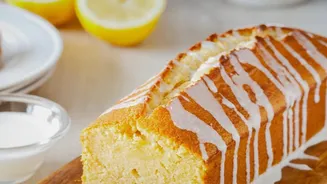
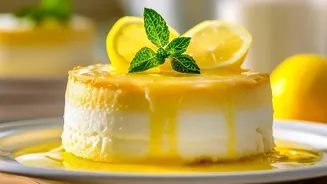
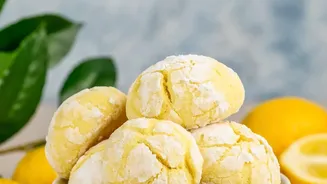
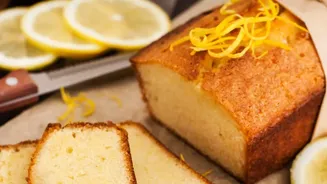
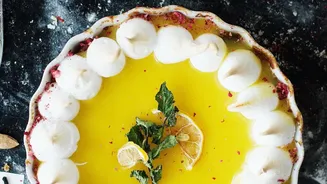
The world of lemon desserts extends far beyond the classic bar. The same principles of balancing tartness and sweetness apply to a range of other treats. A Lemon Bundt Cake, for instance, can be soaked in a lemon syrup while still warm to infuse it with moisture and flavour. For something simpler, a Lemon Posset requires just cream, sugar, and fresh lemon juice, which react to create a magically thick and creamy custard without any eggs. You can also make elegant lemon tarts with a press-in crust or bake soft, zesty lemon cookies. In all these recipes, the combination of fresh juice for acidity and zest for aroma is key to achieving a bright, well-rounded citrus flavour.