



The Great Tourist Turn-Off
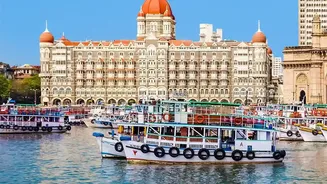
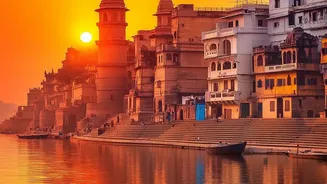
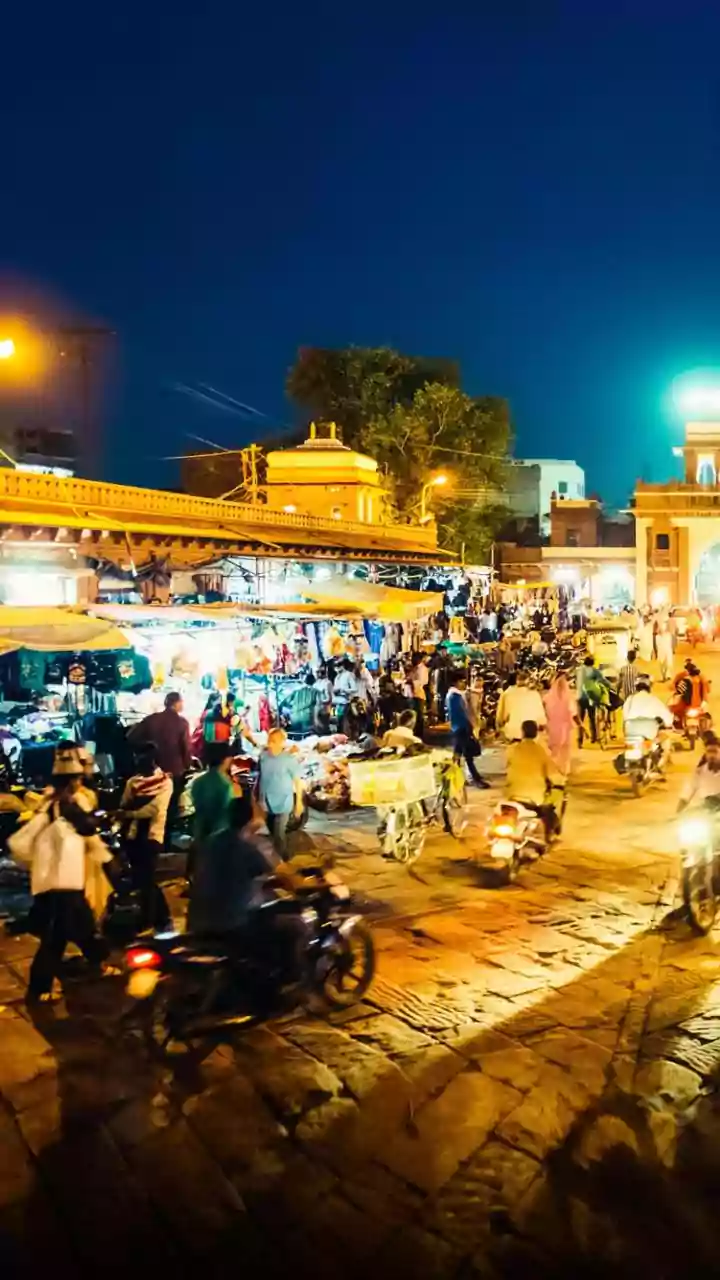
For years, the idea of a vacation was synonymous with a handful of famous destinations. Think Goa's packed beaches, Manali's bustling Mall Road, or the jam-packed streets of Jaipur. While these places hold undeniable appeal, a growing sense of 'tourism
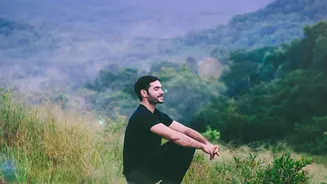
fatigue' has set in, especially among younger travellers. The endless traffic, inflated prices, and the feeling of being just one in a massive crowd are leading to a fundamental rethink of what a holiday should be. Instead of collecting selfies at monuments, the new goal is to collect experiences, find peace, and genuinely disconnect from the urban grind. This shift isn't just about avoiding crowds; it's a deliberate move towards mental wellness and authenticity.
Enter the Era of Slow Travel
This movement has a name: slow travel. It's the antidote to the rushed, multi-city-in-a-week itinerary. Slow travel encourages visitors to stay in one place for longer, from a week to even a month, and immerse themselves in the local rhythm of life. The trend has been massively accelerated by the rise of remote work. The 'workation' is no longer a niche concept but a mainstream reality for many young professionals. A recent survey revealed that a significant percentage of Indian Gen Z plans to combine work with leisure, swapping their city apartments for homestays with mountain views and reliable Wi-Fi. This allows them to explore a region deeply, support local economies directly, and build a real connection to the place beyond its tourist facade.
What Makes a Small Town Shine?
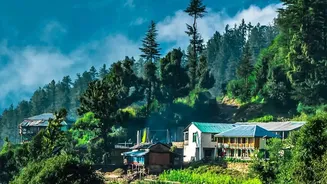
The ideal destination for this new wave of traveller isn't just any small town. It's a place that offers a specific blend of peace, beauty, and modern convenience. Key attractions include pristine natural surroundings like rivers, forests, or mountains, a tranquil atmosphere free from commercialisation, and unique local culture. Think charming homestays over large hotels, quaint local cafes instead of fast-food chains, and hiking trails instead of crowded markets. For the workation crowd, strong and stable internet connectivity is non-negotiable, transforming once-remote villages into viable long-stay hubs. The goal is to find a place where one can work productively during the day and step out into serene nature in the evening.
Hidden Gems Gaining Popularity
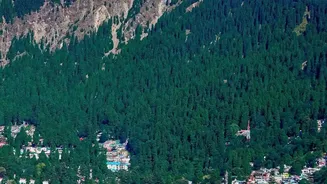
So where are these travellers headed? The Himalayan states are a major draw. Towns like Jibhi and Tirthan Valley in Himachal Pradesh offer a perfect escape with their riverside settings and proximity to the Great Himalayan National Park. In Uttarakhand, places like Mukteshwar provide stunning Himalayan views without the crowds of Nainital. Further south, the coastal town of Varkala in Kerala has become a popular alternative to Goa, known for its dramatic cliffs, surf schools, and wellness retreats. In the northeast, Meghalaya's pristine villages like Mawlynnong, known for their cleanliness and eco-tourism initiatives, are attracting those seeking a truly unique cultural experience. Even lesser-known towns in Rajasthan and Madhya Pradesh are finding their way onto the slow traveller's map.
A More Mindful Way to Explore
This trend represents more than just a change in preference; it's a move towards a more sustainable and conscious form of tourism. By spreading out from the overburdened main hubs, travellers help reduce the environmental and infrastructural strain on popular destinations. Spending longer in one place and patronising local businesses—homestays, small eateries, and local guides—ensures that tourism revenue benefits the community more directly. It fosters a more respectful interaction between visitors and locals, based on shared experience rather than a fleeting transaction. This shift suggests a future where the value of travel is measured not by the distance covered or the sights ticked off a list, but by the depth of connection and the sense of restoration it provides.