
The Rise of the 'Skintellectual'
There’s a new type of consumer in India: the 'skintellectual'. Armed with smartphones and an appetite for information, young Indians are no longer passive recipients of marketing campaigns. They are actively researching ingredients like niacinamide, hyaluronic
acid, and salicylic acid, turning to social media platforms not for fleeting trends, but for education. This shift marks a move from brand loyalty to ingredient-led purchasing. Instead of asking “Which brand is best?” they are asking “What formulation works for my specific concern?”. This self-education has empowered consumers to make informed decisions, prioritizing products that deliver measurable results over those that simply promise a vague sense of 'glow' or 'fairness'. The conversation has become more technical, with terms once confined to dermatology clinics now part of everyday consumer vocabulary.
A Demand for Transparency and Efficacy
For generations, Indian skincare was deeply rooted in Ayurvedic principles and home remedies. While these traditions are still valued, today’s youth are questioning their universal efficacy and demanding more. They want transparency about what is in their products and scientific evidence to back up claims. This has created a challenge for legacy brands and an opening for a new wave of direct-to-consumer (D2C) companies. These digital-first brands are built on a foundation of clarity, often highlighting their formulation philosophy and the percentage of active ingredients. This is a direct response to a consumer base that has grown wary of opaque marketing and wants products that address specific concerns like acne, pigmentation, and barrier repair with proven solutions.
The New Wave of D2C Beauty Brands
The Indian beauty market is experiencing explosive growth, largely fueled by D2C brands that have mastered the art of digital communication. Companies like Minimalist, Dot & Key, and The Derma Co have rapidly gained market share by speaking the language of the new consumer. They connect with their audience directly through social media, use influencer collaborations for education rather than just endorsement, and build communities around shared skin concerns. These brands are agile, able to respond quickly to emerging trends and consumer needs for targeted solutions for issues prevalent in India, such as pollution damage and hyperpigmentation. By focusing on niche concerns and fostering trust through authentic communication, they have successfully challenged the dominance of established giants.
Redefining 'Natural' and 'Chemical'
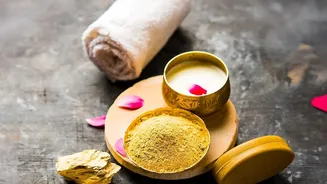
The move towards science-backed skincare is not necessarily a rejection of all things natural. Rather, it is a re-evaluation of the binary between 'natural' and 'chemical'. Young consumers are learning that not all chemicals are harmful and not all natural ingredients are effective or safe in their raw form. The emphasis is on clinically supported formulations, whether they are derived from nature or a lab. Many modern brands are now merging ancient wisdom with scientific rigour, using standardised extracts of traditional ingredients like neem or turmeric in carefully formulated products that offer consistency traditional home remedies may lack. This hybrid approach reflects a more mature understanding of skincare, where the ultimate goal is efficacy and long-term skin health, not adherence to a particular ideology.
Beyond the Bathroom Shelf
This evolution in thinking extends beyond just products. A growing number of young Indians see skincare as a form of healthcare and self-care. This has led to a rise in the popularity of dermatology-led clinics, which are viewed as the new-age salons for those seeking lasting, medically-backed results instead of a temporary fix. A recent survey showed that 64% of urban Gen Z are willing to invest significantly in professional skincare treatments. This shift indicates a deeper commitment to skin health, driven by a desire for preventative care and wellness. It’s no longer just about looking good, but about feeling good and investing in the long-term health of one's skin.