
Know Your Jewellery's Personality
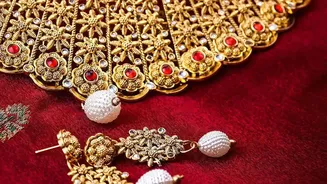
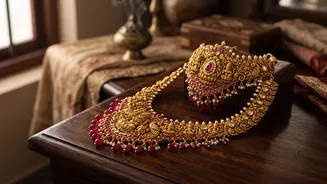
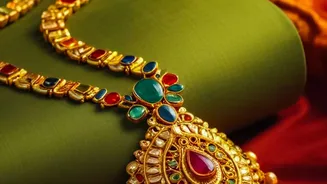
Before you style, understand what your jewellery is saying. Each type has a unique character. Kundan, with its intricate glass stones set in gold, offers a regal, colourful look perfect for North Indian weddings and grand celebrations. It pairs beautifully
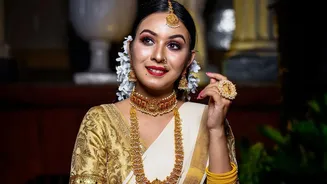
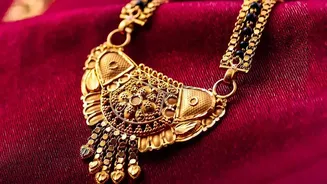
with velvet or raw silk lehengas. Polki, made from uncut natural diamonds, has an antique, raw lustre that speaks of heirloom quality and is often a more significant investment. Temple jewellery, crafted from heavy yellow gold with motifs of deities and nature, is sculptural and traditionally worn by South Indian brides with rich Kanjeevaram sarees. Knowing the difference helps you align your jewellery with the mood of your outfit and the event.
Master the Art of Balance
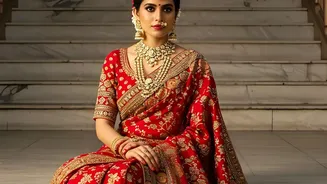
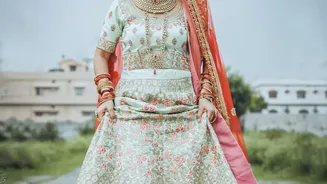
The golden rule of styling is balance. Avoid having your jewellery and your outfit compete for attention. If your lehenga or saree is heavily embroidered or embellished, consider simpler, more elegant jewellery. Conversely, a simple, solid-coloured outfit can be the perfect canvas for a bold statement necklace or a dramatic pair of chandbalis. The key is to choose one 'hero' piece. Let either a stunning choker or oversized earrings be the focal point, and keep the rest of your accessories minimal and complementary. This creates a clear visual hierarchy and prevents your look from feeling cluttered.
Coordinate with Your Outfit's Neckline
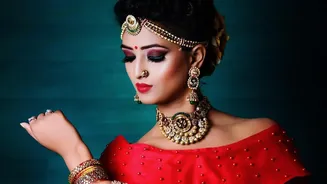
Your blouse neckline is your jewellery's frame. A necklace should always complement, not fight with, the cut of your outfit. High necklines and bandhgalas look best with statement earrings, like jhumkas or chandbalis, leaving the neck bare. Chokers are a perfect match for boat necks and off-the-shoulder blouses. Deeper V-necks or sweetheart necklines provide the ideal space for showcasing layered necklaces or a single, striking pendant set. For a simple round neck, almost any style works, from a collar-hugging piece to a longer rani haar.
Layer Necklaces Like a Pro
Layering is a timeless trend that adds depth and personality to your look, but it requires a careful eye. The most crucial rule is to vary the lengths. A classic combination for a wedding involves a choker, a mid-length necklace, and a longer haar, with each piece sitting at a different level to create a cascading effect. For a more modern or less formal event, try layering two or three delicate chains of varying textures. A good rule of thumb is to maintain a 2 to 4-inch gap between each layer to ensure every piece is visible and to prevent tangling.
Differentiate Between Festive and Wedding Glamour
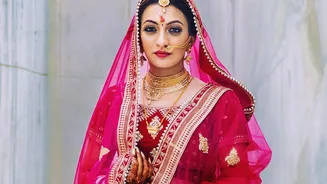
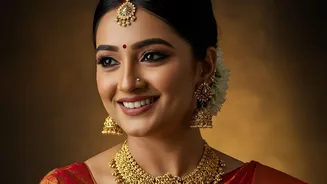
While both festive and wedding events call for beautiful jewellery, the scale can differ. Weddings are the perfect occasion for your most opulent pieces—think full Kundan or Polki sets, multiple layered necklaces, and accessories like a maang tikka, nath, and haath phool. For festivals like Diwali or Eid, you might opt for a more focused statement. A pair of standout earrings with stacked bangles, or a beautiful choker with a simple silk kurta set, can feel festive without being as formal as a full bridal look. Lighter pieces are also more comfortable for long hours of celebration.
Embrace Modern and Fusion Styling
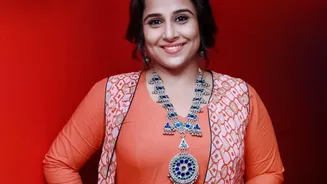
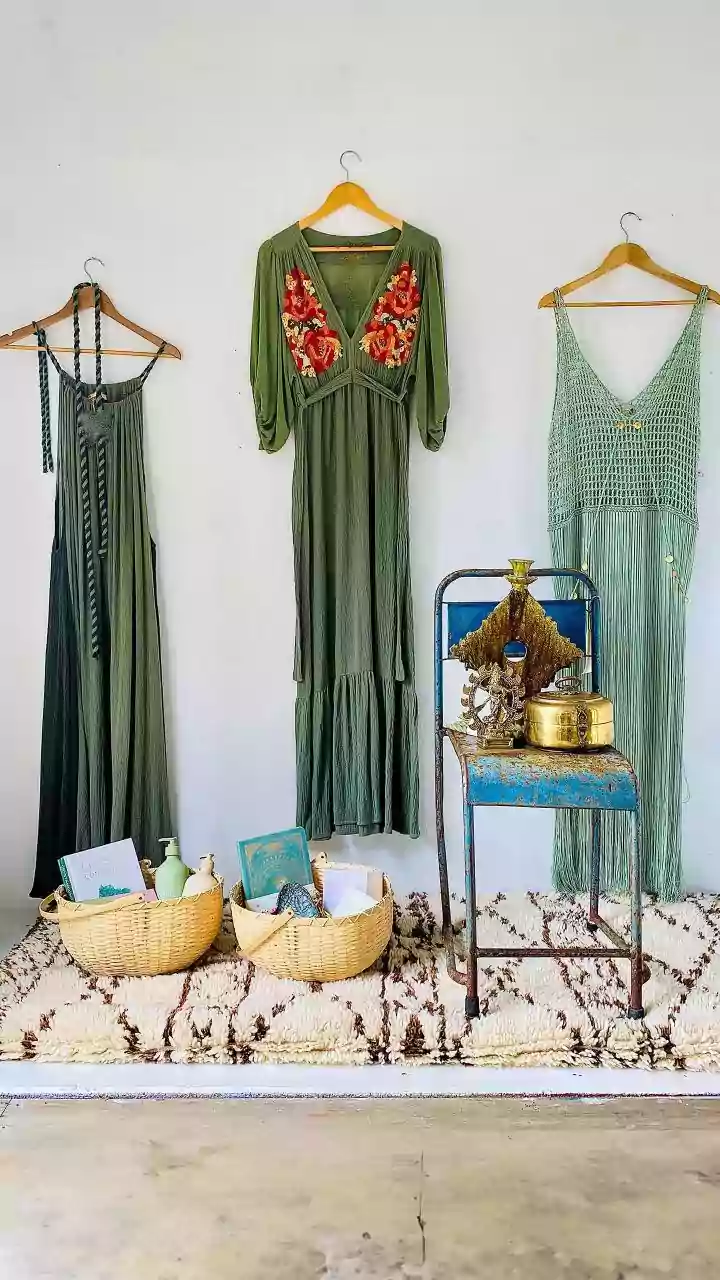
Traditional jewellery is no longer confined to ethnic wear. Mixing heritage pieces with contemporary outfits is a chic way to stand out. A statement Kundan necklace can elevate a simple black dress or an off-shoulder gown. Traditional jhumkas or chandbalis look fantastic with a crisp white shirt and jeans. Don't be afraid to mix metals, like gold and silver, for a modern touch, or to stack traditional bangles alongside a modern watch. This fusion approach allows you to get more wear out of your treasured pieces and express your unique style.