




Decoding the 'Red Alert'
The IMD uses a four-colour-coded system to warn citizens about weather conditions: Green (No Advisory), Yellow (Be Aware), Orange (Be Prepared), and Red (Take Action). A Red Alert is the highest level of warning. It signifies that extremely severe weather is expected,
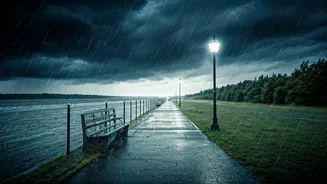
posing a significant threat. For rainfall, a red alert is typically issued when more than 204.5 mm of rain is forecast within 24 hours. This level of precipitation can lead to widespread flooding, disruption of essential services like transport and power, and may require evacuations from low-lying areas. As seen with recent alerts in Mumbai and Thane, this warning means business and requires your full attention.
Your Immediate Action Plan
When a red alert is active for your area, prioritize safety above all else. Avoid non-essential travel. Heavy rains can cause sudden waterlogging and traffic chaos, as witnessed in Mumbai where train services were delayed and roads became congested. Secure your home by checking for loose objects on balconies or rooftops that could become dangerous in high winds. Charge your electronic devices, including phones and power banks, in anticipation of potential power outages. Prepare an emergency kit containing essentials like non-perishable food, drinking water, a first-aid kit, and any necessary medications. If you live in a flood-prone area, be prepared to move to a higher floor or evacuate if instructed by local authorities.
The Underrated Hero: A Good Dry Bag
In a flood or downpour, water can ruin your most important belongings in seconds. This is where a dry bag becomes an essential piece of monsoon gear. These waterproof bags are designed to keep your valuables—like your phone, wallet, chargers, documents, and even a laptop—completely safe from water. Whether you're caught in a sudden storm while commuting or facing waterlogging in your neighbourhood, a reliable dry bag ensures your electronics and important papers remain functional and intact. Think of it as an affordable insurance policy for your everyday essentials. They come in various forms, from small pouches for your phone to larger backpacks and duffels that can hold a change of clothes and more.
How to Choose the Right Dry Bag
Not all dry bags are created equal. When choosing one, consider the material and closure system. Bags made from durable, puncture-resistant materials like PVC, TPU-coated nylon, or polyurethane offer the best protection. The most common and effective closure is the roll-top system, where you roll the top down several times to create a watertight seal. For maximum protection, especially for expensive electronics, look for bags with welded seams and a high IP (Ingress Protection) rating, like IP67, which means the bag is submersible. Capacity is another factor; a 5-10 litre bag is great for personal items, while a 20-30 litre backpack is better for carrying more gear on a commute. You don't need the most expensive model, but investing in a bag with a reliable seal is crucial.
Stay Informed with Reliable Updates
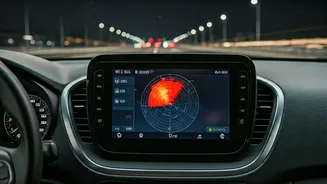
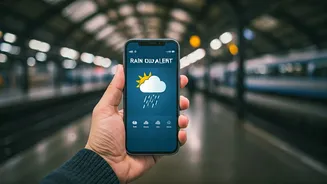
Information is your most powerful tool during severe weather. Rely on official sources for the latest advisories. The IMD is the primary authority for weather warnings in India. You can get their updates through several official mobile applications. The 'Mausam' app provides location-specific forecasts, radar imagery, and warnings. The 'Umang' app, a unified platform for government services, also disseminates IMD alerts. For lightning-specific warnings, the 'Damini' app is highly recommended. These apps provide real-time information, helping you make informed decisions to stay safe. Avoid relying on unverified forwards on social media, which can often spread panic and misinformation. Always check the official source.