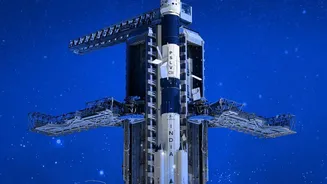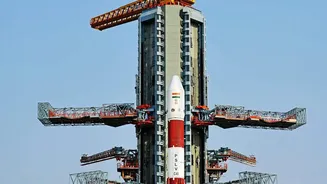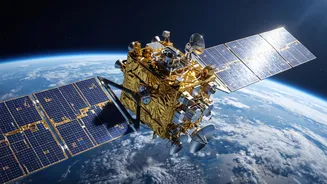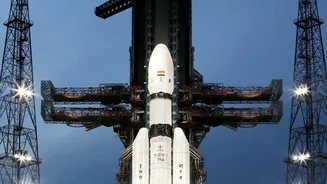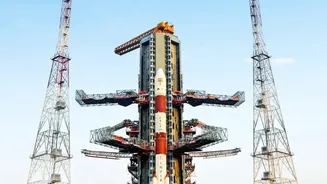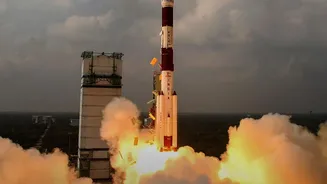


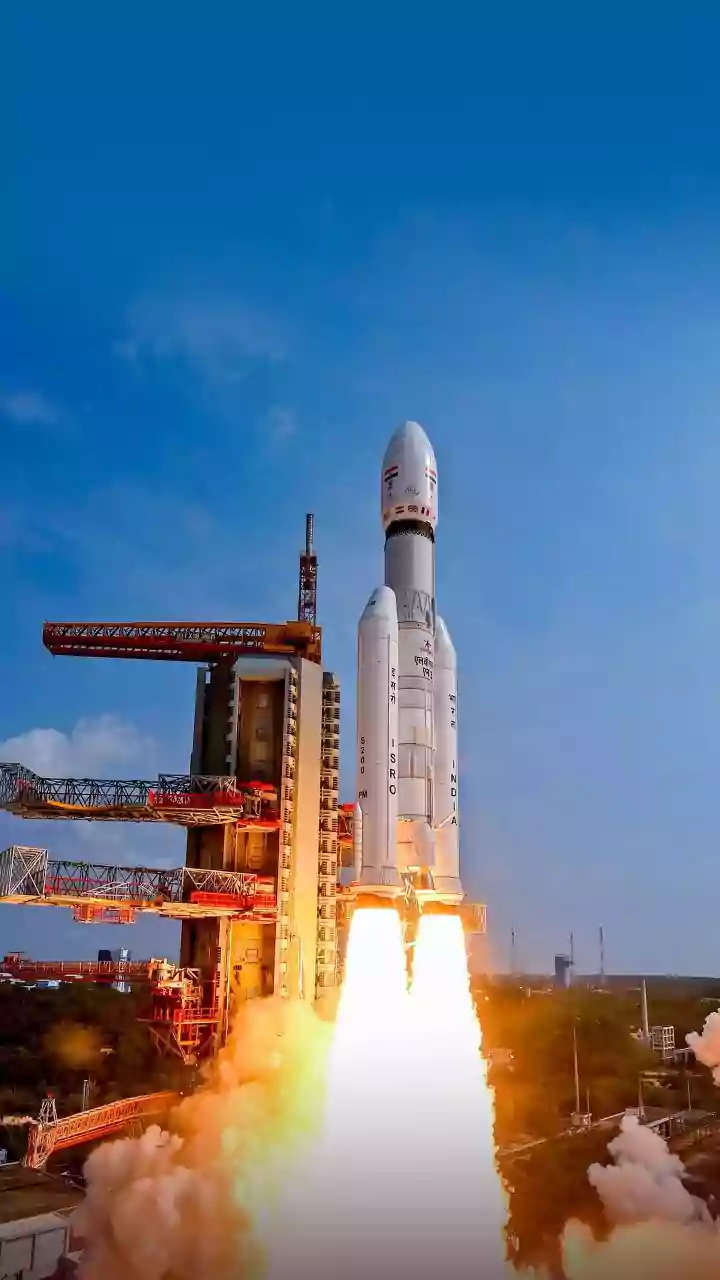





India’s space agency, ISRO, recently celebrated the successful launch of a new-generation navigation satellite, NVS-03, a crucial step for the nation's sovereign positioning system. But why isn't NavIC instantly back to full strength?
The Promise of a 'Made in India' GPS
NavIC, or Navigation
with Indian Constellation, is India’s answer to the American Global Positioning System (GPS). Its development was fast-tracked after the 1999 Kargil conflict, when India was reportedly denied access to US GPS data, highlighting the strategic risk of relying on foreign systems for military and civilian needs. The goal was simple: create a reliable, independent navigation system for India and its surrounding region, extending about 1,500 kilometres from its borders. A fully operational NavIC, originally designed with a seven-satellite constellation, would provide secure positioning for military operations and accurate location data for everything from vehicle tracking to disaster management.
A Constellation Under Strain
A navigation system's accuracy depends on a constellation of satellites working in perfect harmony. A receiver on the ground needs signals from at least four satellites to calculate its precise location. For years, NavIC has been operating below this minimum threshold. The primary issue has been the repeated failure of imported rubidium atomic clocks aboard the first generation of IRNSS satellites. These clocks are the heart of any navigation satellite, providing the ultra-precise timekeeping needed to calculate location. As these clocks failed and older satellites reached the end of their 10-year operational lives, the constellation's strength dwindled. By mid-2026, only three satellites were fully functional for positioning services, leaving NavIC unable to provide standalone navigation.
One Launch, One Replacement
The successful launch of NVS-03 on October 30, 2026, was a significant milestone. It restored the constellation to the bare minimum of four operational satellites, allowing basic positioning services to resume. This new NVS (Navigation Satellite) series is a major upgrade. It is designed for a longer lifespan of over 12 years and, crucially, carries indigenously developed atomic clocks, reducing reliance on foreign components that previously failed. The NVS series also adds the L1 frequency band, the same one used by most civilian GPS devices and smartphones, which will significantly boost NavIC's adoption among the general public. However, NVS-03 replaces just one aging satellite in a system where several are either defunct, degraded, or have been lost in previous launch mishaps like the NVS-02, which failed to reach its intended orbit in January 2025.
The Long Road to Full Strength
Restoring the NavIC constellation is a marathon, not a sprint. While the NVS_03 launch brings the satellite count to the minimum of four, the original system was designed for seven satellites to ensure robust accuracy, coverage, and redundancy. Having more satellites improves precision and guarantees service even if one satellite is temporarily out of service for maintenance or blocked by terrain. To get back to, and eventually surpass, its original design strength, ISRO must launch several more NVS_series satellites. ISRO has plans to launch two more, NVS_04 and NVS_05, in 2027 to complete the five_satellite replacement series. Each launch is a complex, time_consuming process. Building, testing, and launching a satellite, then carefully manoeuvring it into a precise geosynchronous orbit 36,000 kilometres above Earth, takes months. It’s a carefully planned sequence, not just about adding numbers but about placing satellites in specific orbital slots to maintain the constellation's geometric integrity.