







1. Maximise Cross-Ventilation
Good ventilation is the most powerful tool against dampness. In coastal areas, where humidity is high, stagnant air is the primary cause of musty smells. Encourage airflow by creating clear pathways for breezes to move through the flat. If possible, open
windows on opposite sides of the home to create a natural cross-breeze. Even without a direct breeze, keeping interior doors open allows air to circulate between rooms, preventing moisture from getting trapped in pockets. In areas like kitchens and bathrooms, ensure exhaust fans are installed and used regularly to expel moisture-laden air directly outside. A simple layout that is uncluttered and allows air to move freely is your first line of defence.
2. Arrange Furniture for Airflow
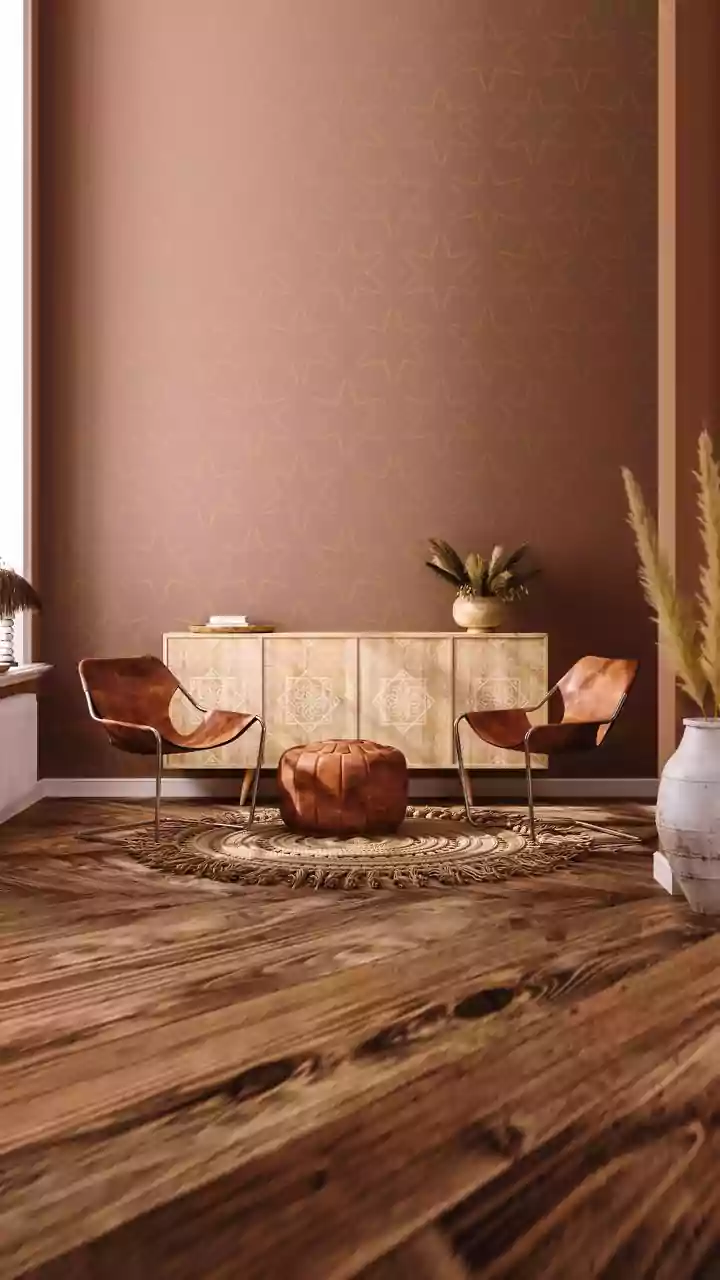
How you place your furniture can either help or hinder ventilation. Large items like sofas, beds, and wardrobes pushed directly against walls can trap pockets of damp, stagnant air, creating ideal conditions for mould growth behind them. To prevent this, always leave a small gap of at least a few inches between bulky furniture and walls, especially exterior walls. This allows air to circulate and keeps the wall surface dry. Opt for furniture with legs, such as elevated sofas or platform beds, which allow air to pass underneath them, further reducing hot spots and stuffiness. When arranging a room, think about creating clear channels for air to move, rather than barriers that block its natural path.
3. Swap Heavy Fabrics for Breathable Textiles
The fabrics you choose for curtains, upholstery, and bedding play a huge role in moisture management. Heavy, synthetic materials like polyester and nylon don't breathe well and can trap humidity, contributing to that familiar damp feeling and odour. Instead, opt for natural, lightweight, and breathable fabrics. Linen is an excellent choice as its loose weave allows air to pass through easily, helping moisture evaporate. Lightweight cotton is another fantastic option, known for its breathability and comfort in humid climates. For window coverings, choose sheer or light cotton curtains over heavy drapes that block airflow and trap moisture near the glass.
4. Rethink Your Floor Coverings
Wall-to-wall carpeting is a major culprit in trapping moisture and odours in coastal homes. The dense fibres hold onto dampness, allergens, and dust, making it very difficult to keep fresh. A better approach is to use hard flooring that is resistant to humidity. Vitrified or porcelain tiles are excellent choices for Indian coastal regions as their non-porous surface resists water absorption. Engineered wood is another good option designed to handle moisture better than solid hardwood. If you still want the softness of a rug, choose smaller, washable options made from natural materials like cotton, jute, or bamboo. These are easier to clean and dry out, preventing the build-up of musty smells.
5. Design Smarter, Drier Storage
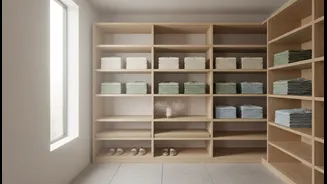
Wardrobes and storage cabinets are often hotspots for mustiness. Clothes packed tightly together with no airflow can quickly develop mildew. To combat this, consider wardrobes with ventilated doors, such as those with louvres or cane webbing, which allow air to circulate constantly. Inside cupboards and drawers, use natural moisture absorbers to keep the environment dry. Small cloth bags filled with activated charcoal, rock salt, or silica gel can be placed in corners to passively pull moisture from the air. These are inexpensive, effective, and can be easily replaced. Regularly airing out closets by leaving the doors open can also make a significant difference.