





The Brain's Ultimate Bodyguard
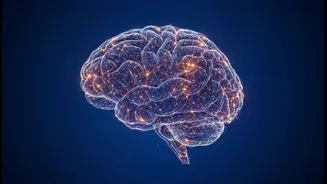
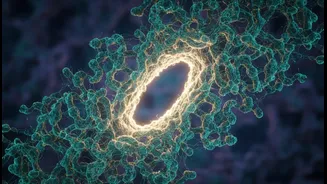
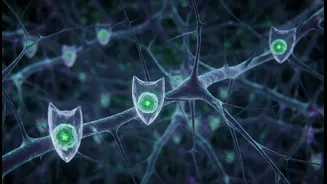
Imagine the brain as a VIP club with the tightest security imaginable. The bouncer at the door is the blood-brain barrier (BBB), a complex network of tightly packed cells lining the blood vessels in our central nervous system. These cells are the microscopic
gatekeepers that give the headline its name. Their job is to protect the brain—the body's most vital organ—from toxins, pathogens, and other harmful substances circulating in our bloodstream. This protective function is crucial for our survival. The BBB is incredibly effective, blocking nearly 98% of all small-molecule drugs from entering the brain. While this defense is essential for keeping the brain safe from threats, it also creates a monumental challenge for doctors trying to treat neurological disorders. The very system designed to protect us becomes a formidable obstacle.
A Fortress Against Friend and Foe
When it comes to medicine, the blood-brain barrier is indiscriminately strict. It doesn't just block poisons; it also blocks life-saving drugs. This is the central problem in treating a vast range of neurological conditions, from aggressive brain cancers like glioblastoma to neurodegenerative diseases such as Alzheimer's and Parkinson's disease. For patients and their families, this can be a source of immense frustration. Effective drugs may exist, but they are rendered useless if they cannot reach their target within the brain. For years, medicine has been stuck outside the fortress, with limited options for delivering therapeutic agents directly to the areas that need them most. This has slowed progress and limited the effectiveness of treatments, making the search for a way to bypass this barrier one of the most critical pursuits in modern neuroscience.
Picking the Microscopic Lock
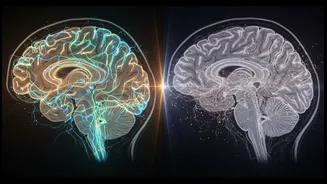
Scientists are now developing several ingenious 'keys' to temporarily and safely open the BBB. One of the most promising techniques is called focused ultrasound (FUS). In this non-invasive procedure, doctors inject tiny, harmless microbubbles into the bloodstream. They then use focused sound waves to make these bubbles vibrate as they pass through the brain's blood vessels. This vibration gently nudges the tightly packed cells of the BBB apart for a few hours, creating a temporary opening just large enough for therapeutic drugs to pass through before the barrier naturally closes again. Another innovative approach uses nanotechnology. Researchers are creating nanoparticles coated in substances like sugar or specific proteins that the BBB's transport systems recognize and allow to pass, essentially disguising the drug cargo as something the brain needs. Recent studies in 2026 have shown sugar-coated nanoparticles can deliver mRNA therapies to shrink glioblastoma tumors in mice, opening doors for treating other neurological disorders.
From a Master Key to a Personal Code
This research isn't just about finding a single master key; it's about creating personalized ones. The ability to open the BBB at specific, targeted locations is what truly opens the door for personalized medicine in neurology. For example, with focused ultrasound, doctors can target the exact brain region affected by a tumor or where protein plaques in Alzheimer's are accumulating, delivering a high concentration of drugs precisely where needed while minimizing side effects elsewhere in the body. Similarly, nanoparticles can be engineered to seek out specific types of cancer cells or deliver gene therapies to correct defects in glial cells, which are implicated in diseases like multiple sclerosis and Huntington's disease. This moves treatment away from a one-size-fits-all approach toward a highly tailored strategy based on an individual's specific disease profile, genetic makeup, and unique brain biology.