



Why Your Nose Gets Stuffy
First, let's address a common misconception. A blocked nose isn't primarily caused by an overproduction of mucus. The main culprit is inflammation. When you have a cold, flu, or allergies, your immune system responds by sending extra blood to the vessels
inside your nose. This causes the tissues lining your nasal passages to swell, narrowing the airways and making it difficult to breathe. This inflammatory response is what makes you feel congested, whether it's from a viral infection, environmental irritants like smoke, or an allergic reaction to pollen.
The World of 'Relief': Managing Symptoms
Most over-the-counter products are designed to provide relief, not a cure. They manage the symptoms of congestion so you can feel better temporarily. The most common are decongestants, which come in pill or nasal spray form. These medications work by constricting the swollen blood vessels in your nasal lining. As the swelling goes down, your airways open up, allowing you to breathe more easily. While effective for short-term relief, they don't resolve the underlying cause of the inflammation, like the cold virus your body is fighting.
The Danger of 'Rebound Congestion'
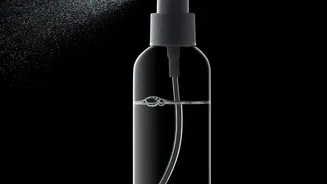
Decongestant nasal sprays offer fast relief, but they come with a significant warning. If you use them for more than three consecutive days, you risk developing a condition called rhinitis medicamentosa, or 'rebound congestion'. When the spray wears off, the nasal tissues can swell back up, sometimes even worse than before. This can lead to a frustrating cycle of dependency, where you feel congested whenever you're not using the spray. To avoid this, always follow the package directions and limit use to a few days at most.
Smarter Relief: Other Options to Consider
Beyond decongestant sprays, several other options provide safe and effective relief. Saline sprays and rinses, for example, work by moisturizing your nasal passages and flushing out mucus and irritants. For congestion caused by allergies, antihistamines can be effective by blocking the histamine reaction that leads to swelling. Corticosteroid nasal sprays are another excellent option, especially for chronic issues, as they work by reducing inflammation over time rather than just constricting blood vessels. Simple home remedies like using a humidifier or taking a steamy shower can also help soothe irritated passages.
The Elusive 'Cure': Tackling the Root Cause
A 'cure' for nasal congestion addresses the underlying problem, providing a long-term solution. For a common cold, the only real cure is time and rest, allowing your immune system to defeat the virus. For allergies, a 'cure' might involve immunotherapy (allergy shots) to desensitize your body to triggers. However, for many people suffering from chronic congestion, the cause is structural. Issues like a deviated septum (the wall between your nostrils is off-center), enlarged turbinates (structures that warm the air you breathe), or nasal polyps can create a persistent physical blockage. In these cases, a cure is often possible through surgical procedures.
When Is Surgery the Answer?
If you experience near-constant congestion that doesn't respond to medication, it's worth consulting an Ear, Nose, and Throat (ENT) specialist. Procedures like a septoplasty can straighten a deviated septum, while turbinate reduction can shrink swollen tissues to improve airflow. Endoscopic sinus surgery can remove polyps or other blockages, restoring proper sinus drainage. These surgical interventions are highly effective and can provide a permanent solution for those whose congestion is caused by anatomical issues, truly 'curing' their stuffy nose by fixing the root of the problem.