







Master Your Cleansing Routine
High humidity sends your oil glands into overdrive, mixing with sweat and dirt to clog pores. This makes cleansing the most critical step in your monsoon skincare arsenal. Washing your face twice a day is essential, but avoid the temptation to over-cleanse
with harsh formulas. Stripping your skin of its natural oils can backfire, causing it to produce even more sebum. Opt for a gentle, pH-balanced cleanser. In the evening, consider double cleansing: start with a cleansing oil or micellar water to break down sunscreen and grime, followed by your regular face wash. This ensures your skin is truly clean without feeling dry or irritated.
Exfoliate, But Do It Gently
With the slower cell turnover in humid weather, dead skin cells can accumulate, leading to a dull complexion and breakouts. Regular exfoliation, about one to two times a week, is key to keeping your pores clear and your skin bright. However, this is not the time for aggressive scrubbing. Harsh physical scrubs can cause micro-tears and inflammation. Instead, consider a gentle chemical exfoliant containing ingredients like salicylic acid (a BHA) or lactic acid (an AHA). These work to dissolve the bonds holding dead skin cells to the surface, revealing smoother skin underneath without abrasive friction.
Switch to a Lightweight Moisturiser
One of the biggest monsoon skincare myths is that you can skip moisturiser when the air feels sticky. In reality, humid air can still dehydrate your skin, and skipping this step can compromise your skin's protective barrier. The key is to switch from heavy, oil-based creams to a lightweight, non-comedogenic formula that won't clog your pores. Look for gel-based or water-based moisturisers. Ingredients like hyaluronic acid and glycerin are excellent choices, as they draw moisture into the skin without feeling heavy or greasy, leaving your skin feeling hydrated and comfortable.
Sunscreen Is Always Non-Negotiable
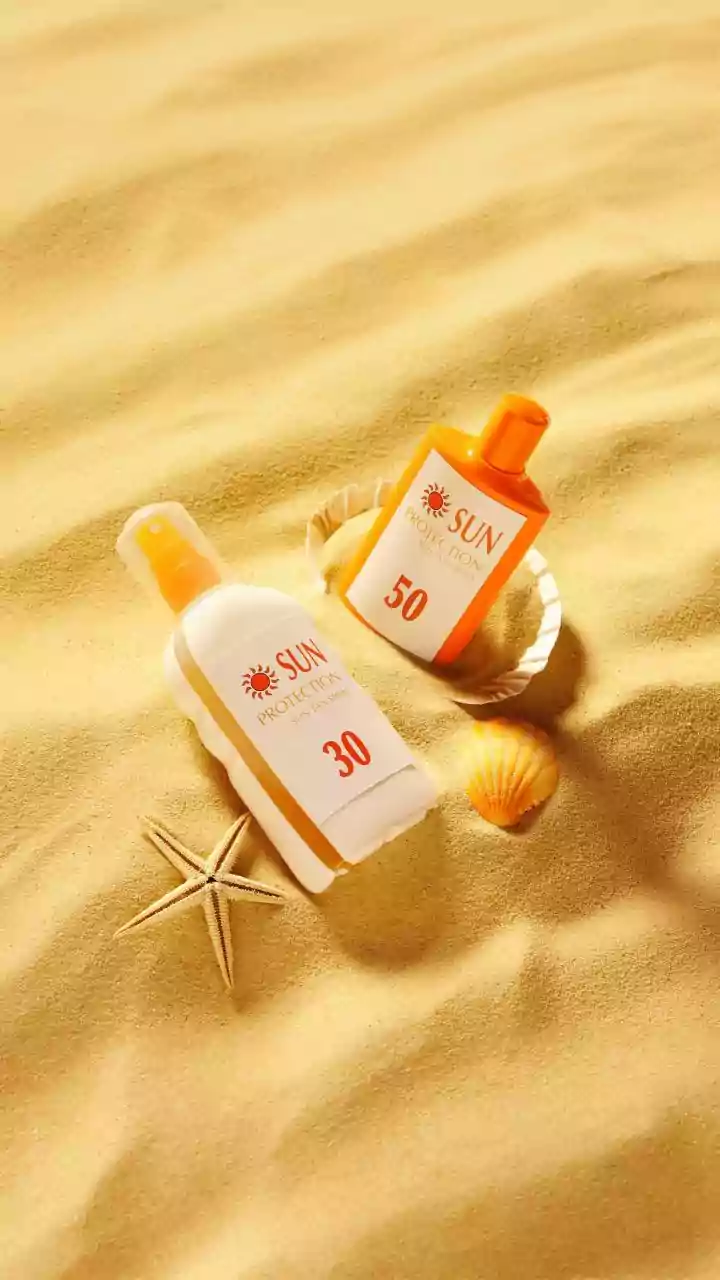
Don't let overcast skies fool you; harmful UV rays easily penetrate cloud cover. Skipping sunscreen during the monsoon can lead to sun damage, worsen pigmentation, and accelerate signs of ageing. Make applying a broad-spectrum sunscreen with at least SPF 30 a non-negotiable part of your morning routine. For humid weather, a lightweight gel or water-resistant formula is ideal, as it's less likely to feel greasy or wash off with sweat. Remember to reapply every few hours, especially if you've been outdoors or sweating.
Hydrate and Eat for a Healthy Glow
What you put inside your body is just as important as what you put on your skin. Dehydration can still be an issue in humid weather, so make sure you're drinking plenty of water throughout the day to help flush out toxins and keep your skin plump. Your diet also plays a crucial role. Try to limit excessively oily and fried foods, which can contribute to skin issues. Instead, incorporate antioxidant-rich foods like leafy greens, berries, and citrus fruits. Nutrients like Vitamin C help boost your immunity and support skin healing, giving you a healthy glow from within.
Don't Forget Your Body and Feet
Monsoon skin issues aren't limited to your face. The damp, warm conditions are a perfect breeding ground for fungal infections, especially in areas that trap moisture like the feet, underarms, and other skin folds. Make it a habit to dry yourself thoroughly after bathing or getting caught in the rain. Wearing loose, breathable fabrics like cotton will help reduce sweat and friction. If you're prone to infections, using an antifungal powder on your feet and in skin folds can help absorb excess moisture and keep problems at bay.