






Why Your Body Loves Fibre
Dietary fibre, a type of carbohydrate the body can't digest, is a cornerstone of good health. It's best known for keeping our digestive system regular and preventing constipation. But its benefits go much further. Soluble fibre, which dissolves in water,
can help lower cholesterol and stabilise blood sugar levels. Insoluble fibre adds bulk, helping you feel full for longer, which can aid in maintaining a healthy weight. A high-fibre diet is linked to a lower risk of several chronic conditions, including heart disease and type 2 diabetes. The Indian Council of Medical Research (ICMR) recommends that adults consume between 25 to 40 grams of fibre daily, but many urban diets fall short of this target.
The Humble Dal: A Fibre Powerhouse
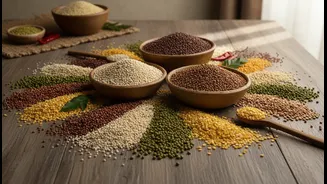
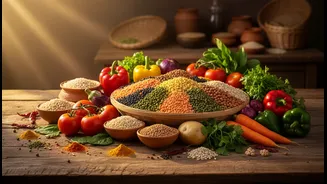
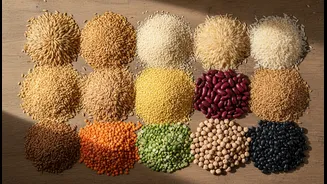
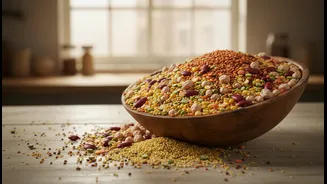
Dals, or lentils, are the heart of Indian cuisine and an exceptional source of both plant-based protein and dietary fibre. This combination is a win-win, as it enhances satiety, keeping you full and energised for hours. Different dals offer impressive fibre content per 100g serving: rajma (kidney beans) leads the pack with up to 15g, followed by chana dal (split chickpeas) with around 12g, and masoor dal (red lentils) providing about 8-10g. To maximise benefits, try to use whole pulses like whole moong or urad with their skin on, as the outer layer contains a significant amount of fibre. Simply incorporating a bowl of dal into your lunch and dinner is one of the easiest ways to boost your daily fibre intake significantly.
Sabzi: More Than Just a Side
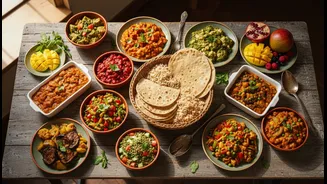
Vegetables, or sabzis, are a vibrant and essential part of a fibre-rich diet. Traditionally, an Indian thali is incomplete without at least one vegetable dish. Filling half your plate with vegetables is a simple rule of thumb to ensure you are getting enough fibre. Common Indian vegetables are packed with it. For instance, per 100g, cluster beans (gawar) have nearly 5g of fibre, drumsticks (moringa) have about 7g, and even the everyday bhindi (okra) provides around 3g. Leafy greens like spinach and fenugreek (methi) are also excellent sources. To retain the most nutrients and fibre, opt for cooking methods like steaming or light stir-frying instead of deep-frying. Including a simple kachumber salad (chopped raw vegetables) with your meals is another fantastic way to add raw fibre.
Mighty Millets: The Ancient Grain Revival
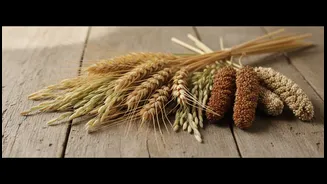
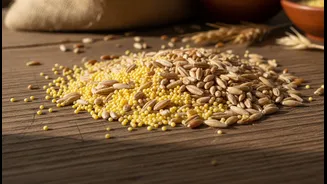
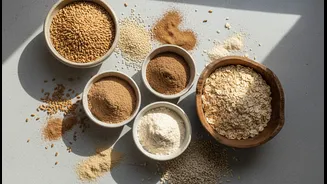
For centuries, millets were a staple food across India before refined grains like polished white rice and maida became widespread. These ancient grains are now making a well-deserved comeback, celebrated for their robust nutritional profile. Millets are naturally gluten-free and boast a high fibre content. Ragi (finger millet) and bajra (pearl millet) each contain around 11g of fibre per 100g, while jowar (sorghum) offers about 10g. This is significantly more than white rice. The high fibre in millets helps slow down digestion, leading to a more gradual release of sugar into the bloodstream and preventing energy crashes. Swapping white rice for millets or using millet flour to make rotis are simple yet powerful changes for a fibre-first diet.
A Familiar Fibre-First Meal
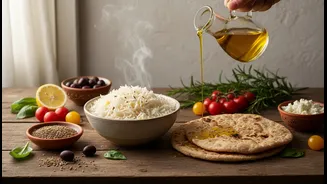
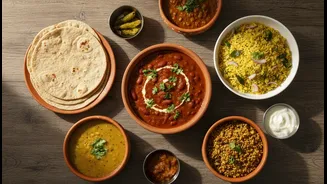
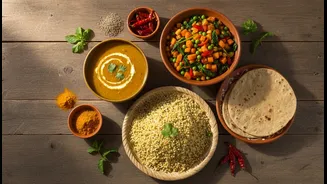
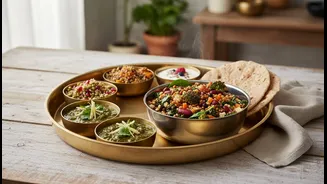
Embracing a fibre-first approach doesn't mean eating salads all day. It’s about building your meals around fibre-rich whole foods. A classic Indian thali is the perfect template. Imagine a plate with a jowar or bajra roti instead of a plain wheat one. Pair this with a bowl of rajma or chana masala for a double dose of protein and fibre. Add a generous serving of a seasonal green vegetable sabzi, like beans or methi, cooked with minimal oil. A side of fresh cucumber and tomato salad completes the meal, adding extra crunch and raw fibre. This balanced, familiar meal is not only delicious and satisfying but also effortlessly meets a significant portion of your daily fibre needs, proving that healthy eating can feel just like home.