
More Than a Health Trend
For years, the conversation around millets has been dominated by their health benefits: gluten-free, high in fibre, and with a low glycemic index, they are a smart choice for modern, health-conscious lifestyles. This is certainly true, but focusing only
on nutrition misses the bigger, more delicious picture. The real story behind their resurgence is flavour. Chefs, home cooks, and food entrepreneurs are realising that heritage millets are not just a substitute for wheat or rice; they are powerful ingredients that bring their own unique character to the table. This return to our culinary roots is proving that what is good for our bodies can also be incredibly satisfying to our palates.
A Taste of the Terroir
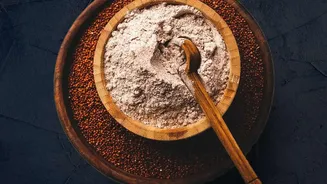
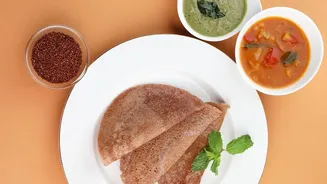
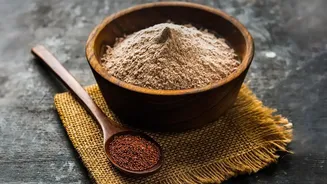
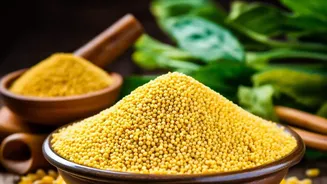
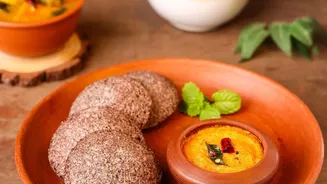
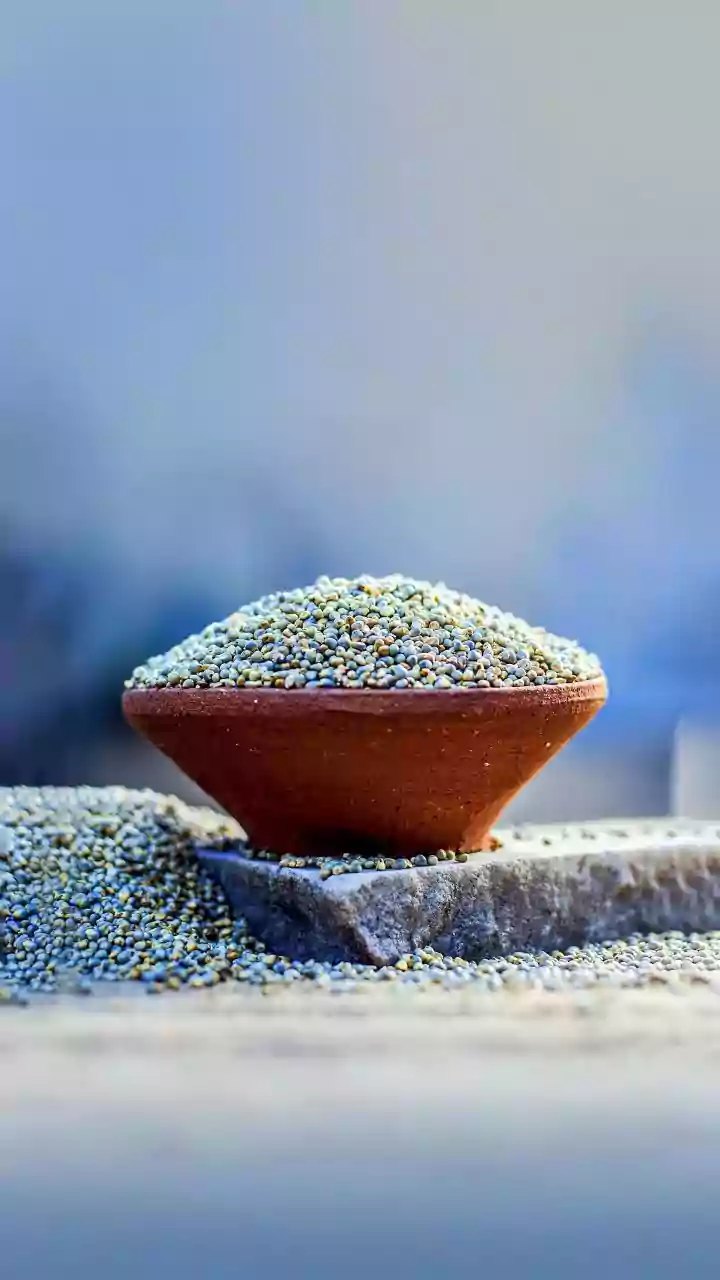
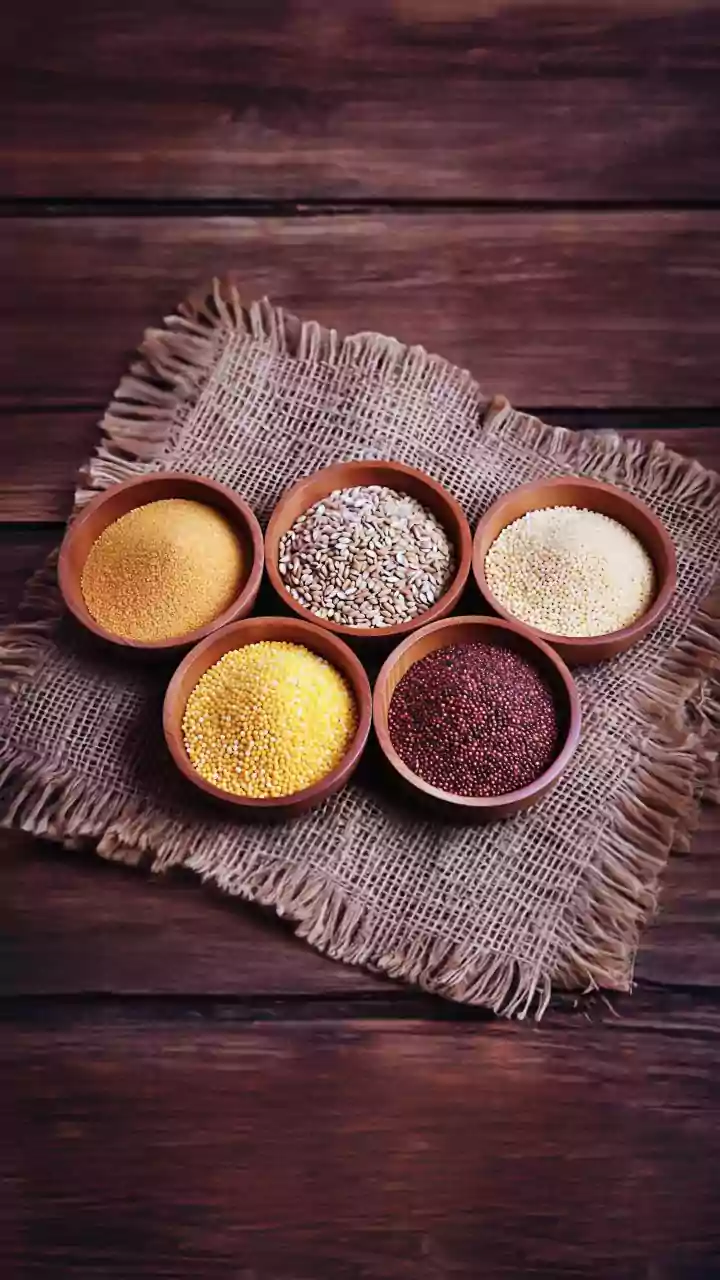
Unlike highly processed grains, heritage millets offer a direct connection to the soil they grew in. Their flavours are a reflection of their environment, often described as 'earthy', 'nutty', or 'subtly sweet'. Each variety tells a different story. Ragi (Finger Millet) has a distinctly earthy flavour that pairs wonderfully with bold spices. Bajra (Pearl Millet) is known for its robust, nutty taste that stands up to strong accompaniments like garlic chutney. Foxtail Millet (Kangni/Thinai) is much milder, with a delicate, nutty-sweet profile, making it one of the most versatile and approachable millets. Meanwhile, Kodo Millet (Kodra/Varagu) offers a denser texture and a deeper, earthier flavour profile compared to its cousins. These grains are not blank canvases; they are the first layer of flavour in any dish.
Reimagining the Snack Shelf
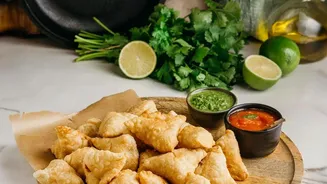
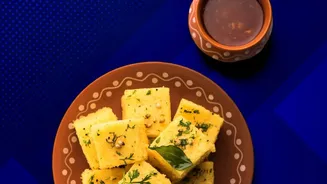
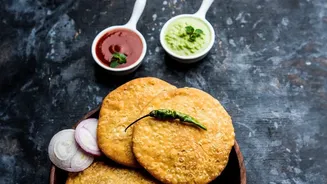
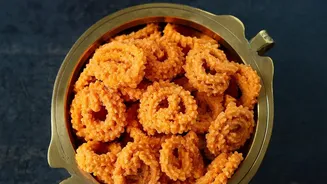
The true magic happens when these ancient grains meet modern snacking sensibilities. The inherent flavours of millets are elevating everyday treats from simple fillers to complex, flavourful bites. Instead of a plain, deep-fried mathri, imagine a baked version made with a blend of Bajra and Jowar flour, where the nutty, earthy notes of the millets add a satisfying depth that maida simply cannot match. Think of crispy, baked chaklis made with Ragi flour, their earthy taste providing the perfect counterpoint to the sharp spices. Even something as simple as a cookie is transformed; Ragi cookies have a richer, more rustic flavour than their plain flour counterparts. Food brands are now offering everything from millet pasta and noodles to millet bhel and chivda, showcasing the grain's incredible versatility. These aren't just 'healthy alternatives'; they are often more delicious and interesting versions of the snacks we already love.
From Khichdi to Cutlets
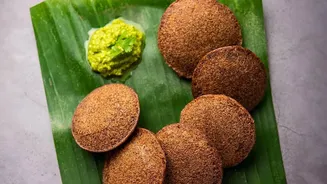
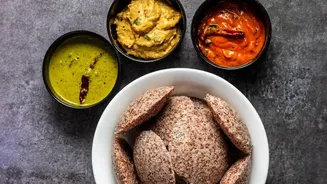
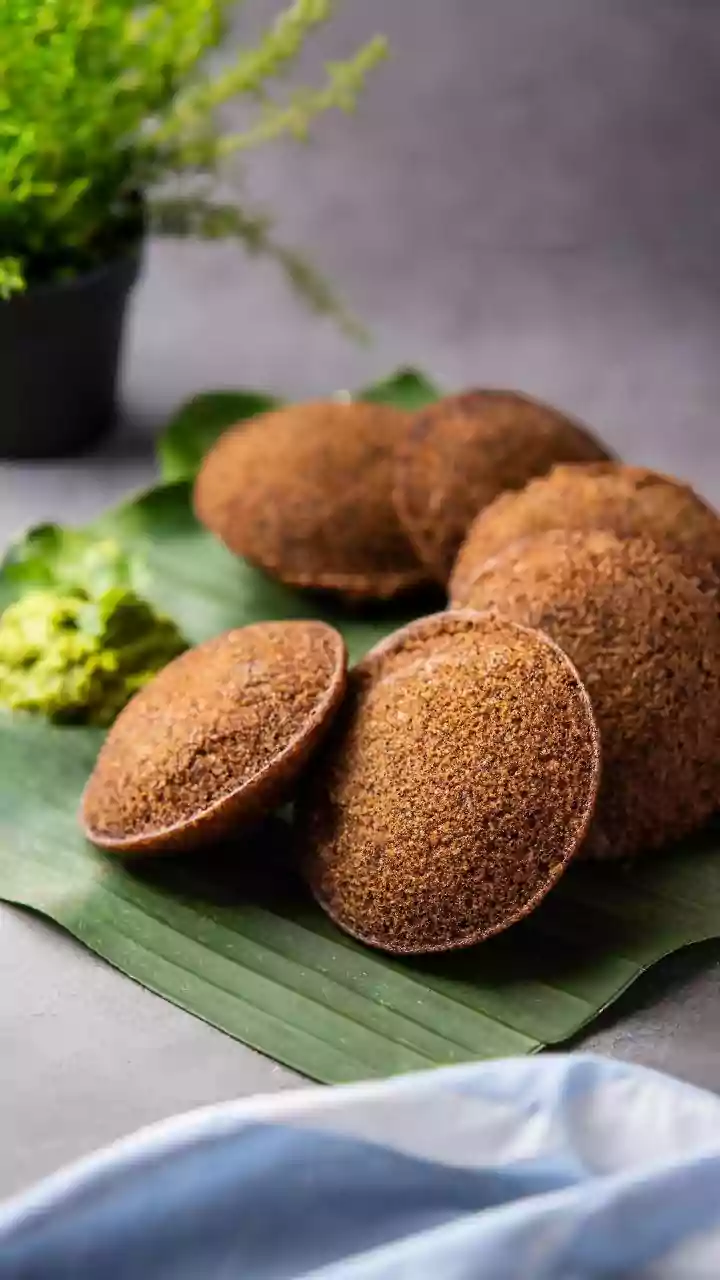
The application of heritage millets in snacks goes far beyond just replacing flour. The whole grains themselves are stars. Barnyard Millet (Samak/Kuthiraivali), known for its quick-cooking nature and mild taste, is perfect for creating savoury upma or soft, fluffy idlis that can be pan-fried into snackable bites. Its slightly sticky texture after cooking also makes it a great binder for cutlets and tikkis, lending a subtle creaminess. Little Millet (Kutki/Samai), the smallest of the grains, has a mildly sweet and nutty flavour that shines in both sweet and savoury preparations, from upma to small, pan-fried cakes. The distinct grains of Foxtail Millet make it ideal for creating a healthier take on fried rice-style snacks or savoury pulaos served in small portions as part of a snack platter.