



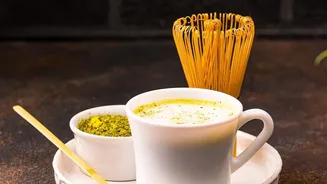
The Green Wave on Urban Menus
Just a few years ago, matcha was a rarity in India, confined to health food stores or specialty Japanese restaurants. Today, it’s a mainstream contender in the café scene of cities like Mumbai, Delhi, and Bengaluru. Chains like Third Wave Coffee and Blue
Tokai, which built their names on specialty coffee, were among the first to introduce matcha lattes, positioning them as a craft beverage for a new generation of consumers. This isn't just about adding another tea to the menu; it's a response to a clear shift in consumer behaviour. The Indian matcha market is growing at a rapid pace, projected to reach over ₹1,400 crore by 2030. This growth is driven by health-conscious urbanites, Gen Z’s love for aesthetic trends, and a growing curiosity for global flavours.
A Clash of Tastes and Experiences
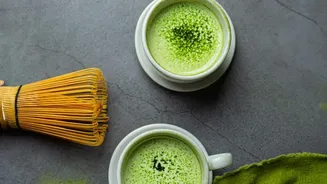
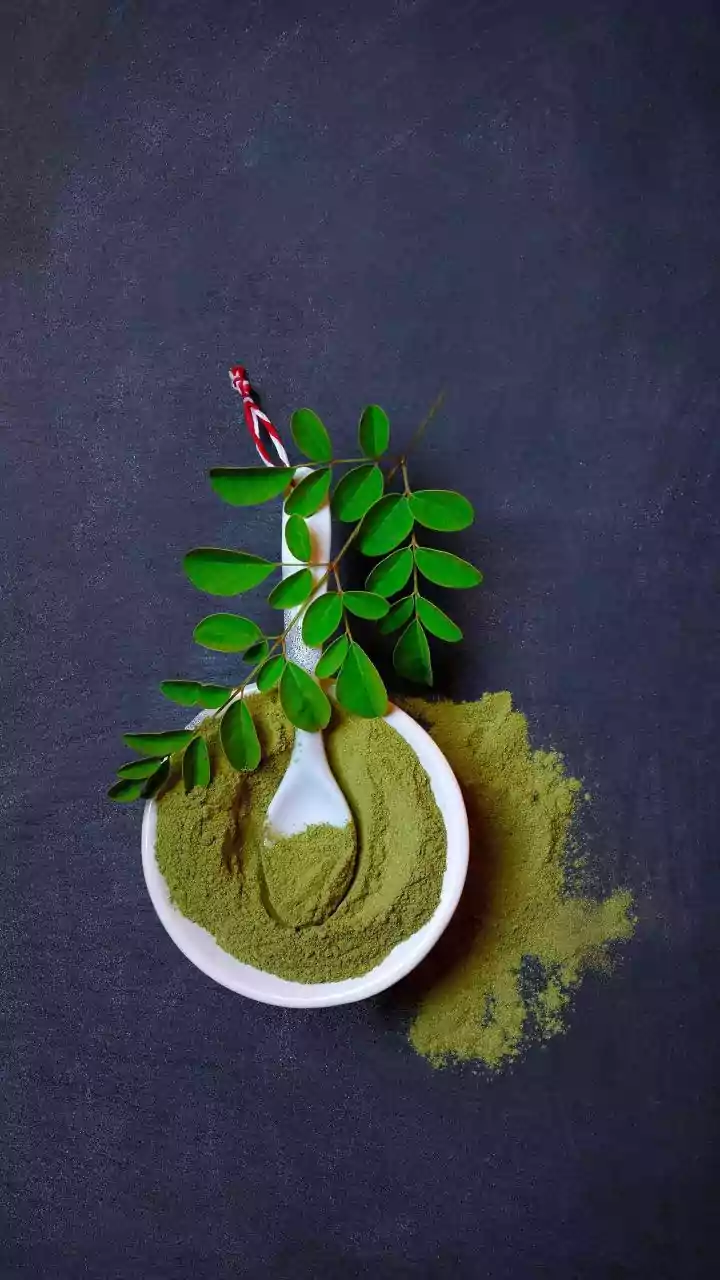
The choice between an iced coffee and a matcha latte is a choice between two very different experiences. Iced coffee delivers a familiar, robust, and acidic kick—a dependable jolt of energy that many people rely on. It’s fast, efficient, and deeply ingrained in work culture. Matcha, on the other hand, offers something different. Made from finely ground, shade-grown tea leaves, it has a complex flavour profile—smooth, earthy, and with a subtle savory note known as umami. The preparation itself is often presented as a mindful ritual, a stark contrast to the grab-and-go nature of coffee. For many, ordering matcha is a conscious decision to slow down and embrace a different kind of energy.
The Undeniable Health Halo
One of the biggest drivers of matcha's popularity is its association with wellness. While coffee is rich in antioxidants, matcha is celebrated for containing significantly more, particularly catechins like EGCG, which are linked to various health benefits. But the key difference lies in the caffeine experience. Coffee's caffeine hits the system quickly, which can lead to jitters and a subsequent crash. Matcha provides what many describe as a 'calm alertness'. This is due to L-theanine, an amino acid present in the tea that moderates the effects of caffeine, promoting focus without the anxiety. This promise of sustained energy without the side effects is a powerful draw for consumers looking to reduce their reliance on coffee.
Vibrantly Green and Instagram-Ready
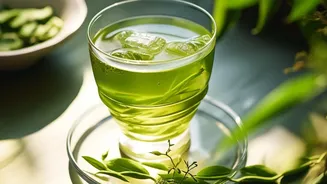
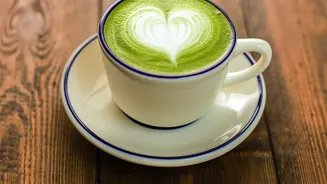
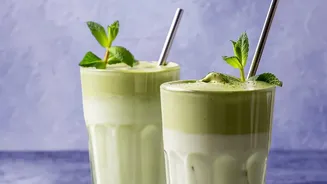
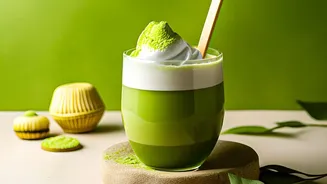
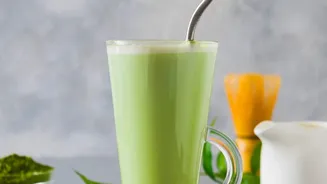
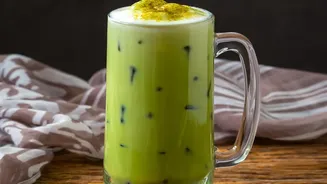
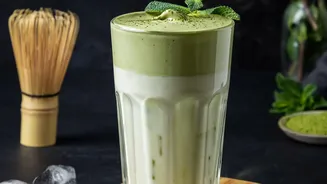
In today's visual economy, how a drink looks is almost as important as how it tastes. Matcha’s vivid green colour is undeniably photogenic, making it a star on social media platforms. Its aesthetic appeal has turned it into a lifestyle statement, a symbol of being on-trend, healthy, and globally aware. Cafés are capitalising on this by creating visually stunning layered lattes, often mixed with colourful ingredients like strawberry compote, blueberry, or mango. While a well-made iced coffee can be appealing, it often can't compete with the 'Instagrammable' quality of a vibrant matcha creation, a factor that has significantly fuelled its viral spread among younger customers.
The Price of a Premium Ritual
One area where iced coffee retains a clear edge is price. An artisanal matcha latte typically costs more than a standard iced Americano or cold brew, sometimes significantly so. This premium is due to several factors. High-quality matcha is laborious to produce, involving shade-growing, hand-picking, and slow stone-grinding processes primarily done in Japan. With global demand for matcha soaring, prices for authentic Japanese powder have been on the rise due to supply constraints. Instead of hiding this cost, cafés have leaned into it, positioning matcha as an aspirational, premium experience. Consumers are often willing to pay more for the perceived health benefits, the unique flavour, and the cultural cachet that comes with it.