


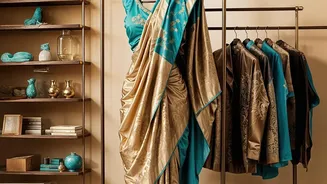
The big fat Indian wedding season is a whirlwind of joy, but it often comes with a wardrobe dilemma: what to wear? As costs rise and closets overflow with single-use outfits, a smarter, more stylish solution is gaining ground for 2026.
The Rise of Mindful Occasionwear
For years, attending
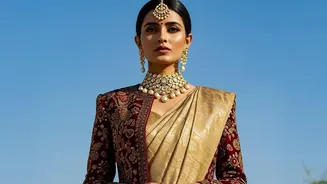
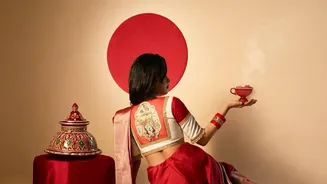
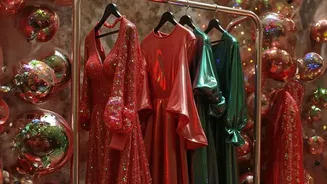
a wedding meant a frantic search for multiple, elaborate outfits destined to be worn just once. But a quiet revolution is reshaping how guests approach festive dressing. An increasing number of fashion-conscious individuals are rejecting this cycle of consumption in favor of a 'capsule ethnic wardrobe'. This concept, borrowed from Western minimalism, centers on a curated collection of high-quality, versatile pieces that can be mixed and matched to create numerous distinct looks. Instead of five different outfits for five functions, think one classic silk saree, a versatile lehenga skirt, a few elegant blouses, and a statement dupatta that can be endlessly restyled. This shift isn't just about saving money; it's a conscious move toward sustainability and personal style over fleeting trends.
Sustainability Meets Style
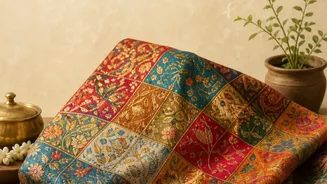
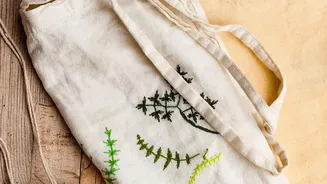
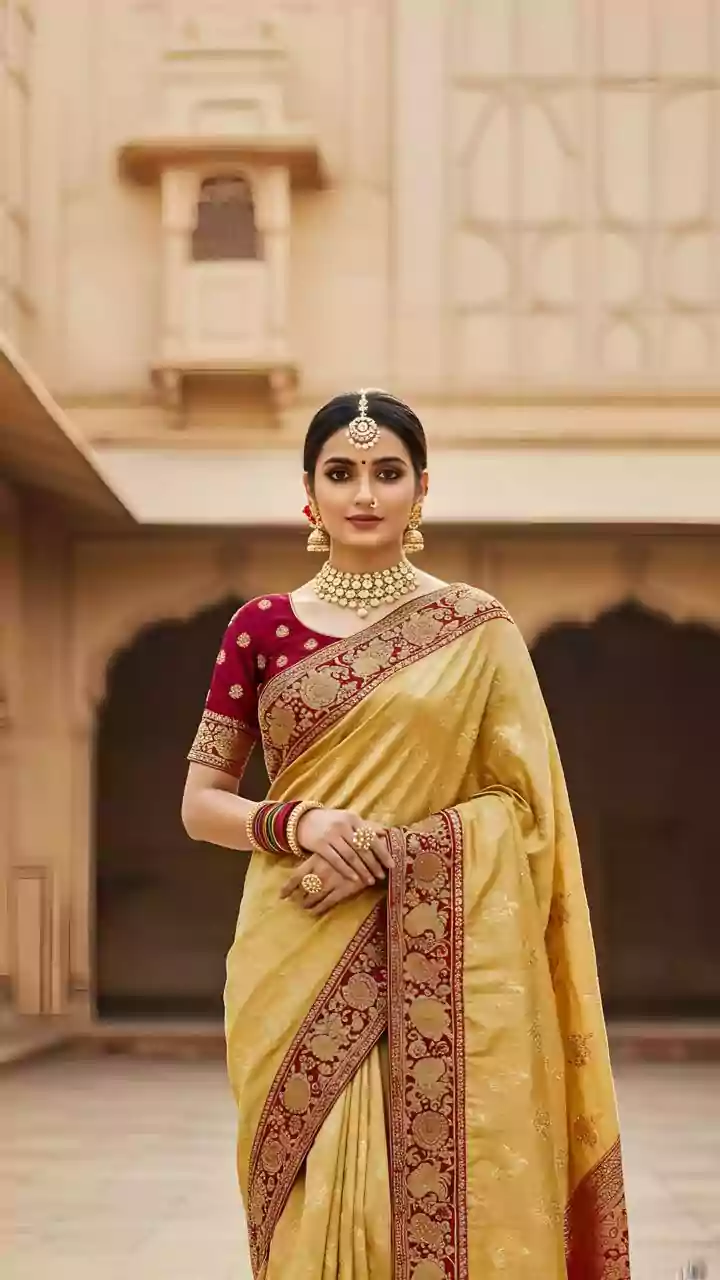
The fashion industry is one of the world's biggest polluters, and the conversation around its environmental impact has grown louder. This awareness is a major driver behind the capsule wardrobe trend. Consumers, particularly younger generations, are seeking more responsible ways to participate in cultural celebrations. They are investing in timeless pieces made from sustainable, traditional fabrics like handloom silk, organic cotton, and Chanderi. These textiles not only have a lower environmental footprint but also support artisanal communities and preserve heritage crafts. By choosing a beautifully crafted Banarasi silk saree or a hand-embroidered kurta set, wearers are making an investment in quality and tradition that can be cherished and re-worn for years, a stark contrast to the throwaway culture of fast fashion.
The Smart Economics of Repeating Outfits
Let's be practical: attending a full slate of Indian wedding functions can be an expensive affair, with outfit costs quickly adding up. A capsule wardrobe presents a financially savvy alternative. Investing in a few premium, versatile pieces may have a higher upfront cost, but it eliminates the need to buy new outfits for every event on the calendar. This approach redefines 'value' from the low price of a single outfit to the number of wears you can get from one garment. The social taboo against repeating outfits is also fading. Style influencers and modern wedding guests are championing the art of restyling, proving that creativity is more impressive than a new-for-every-event wardrobe. A simple change in draping style, pairing a lehenga with a different choli, or using a statement accessory can completely transform a look.
How to Build Your Ethnic Capsule
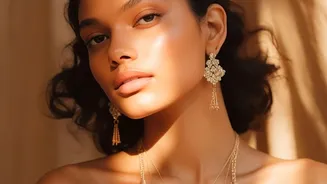
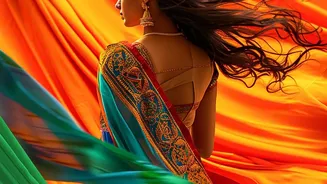
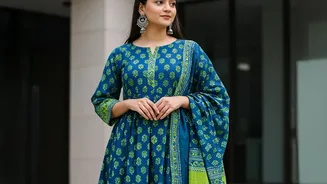
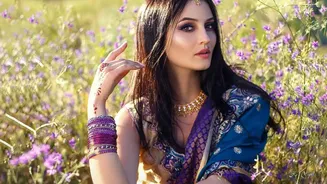
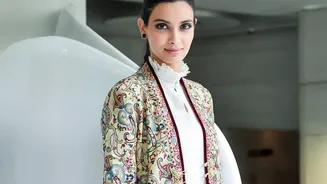
Creating a capsule ethnic wardrobe is about choosing timelessness and versatility. Start with a foundation of classic silhouettes in neutral or jewel tones that are easy to style. A high_quality silk or georgette saree in a colour like navy, emerald, or gold is a must_have. Add a well_fitting lehenga skirt in brocade or a solid raw silk that can be paired with different tops. For blouses, invest in a classic gold or black sequined choli and perhaps a more contemporary crop top. A hand_embroidered or Bandhani dupatta is another key piece, able to elevate a simple kurta set or be draped differently with your lehenga. For men, the principles are similar: a classic bandhgala, a few well_cut kurtas in silk or cotton, and versatile Nehru jackets can be mixed with different pajamas or trousers for various functions.