





From Afterthought to Anchor
There was a time when lighting an Indian home meant a functional tubelight and a ceiling fan with a bulb. Today, that approach is a relic. Interior designers and homeowners now consider lighting a foundational element, planned from the very beginning
of the design process. This shift is not just about style; it's about acknowledging light's power to shape how a room feels and functions. A single, poorly chosen fixture can make a space feel flat and small, while a thoughtful combination can create depth, warmth, and the illusion of space. Decorative lights are no longer the final touch but an anchor for a room's entire design, chosen alongside furniture and paint to build a cohesive and inviting atmosphere.
The Practical Magic of Layered Lighting
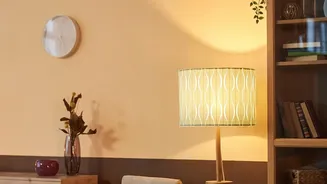
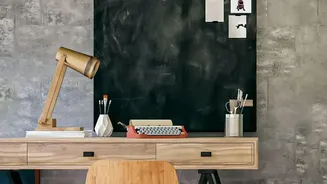
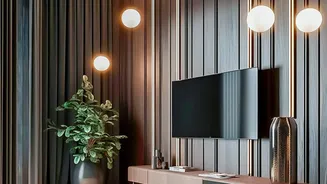
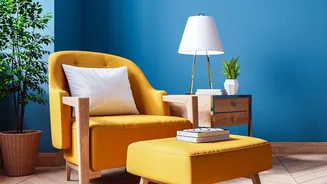
The most significant trend driving this change is the concept of 'layered lighting'. Instead of relying on one harsh overhead source, designers now combine three types of light: ambient, task, and accent. Ambient light is the general, foundational glow, often from a central ceiling fixture. Task lighting provides focused brightness for specific activities, like a pendant light over a dining table or a reading lamp by a chair. Accent lighting draws attention to features you want to highlight, such as artwork, a textured wall, or traditional brassware. For compact urban apartments, this approach is revolutionary. It allows a single room to serve multiple functions—a living room can transform from a bright workspace to a cozy den for movie night with the flick of a few switches. It's a practical solution for the multi-functional reality of modern Indian homes.
Smart, Sustainable, and Space-Saving
The practicality of modern decorative lighting is powerfully boosted by technology. The mass adoption of LED technology is a game-changer, with bulbs that consume up to 90% less power and last significantly longer than their predecessors. This makes beautiful lighting an affordable, long-term investment. Furthermore, the rise of smart lighting is transforming convenience. The ability to control brightness, colour, and schedules from a smartphone or with voice commands (often in Hindi) is no longer a futuristic luxury but an accessible upgrade. This is especially useful for creating different moods or for energy saving. Designs have also become smarter. In space-starved city apartments, wall sconces, slender floor lamps, and magnetic track lighting systems offer sophisticated illumination without consuming precious floor or table space. Portable, cordless lamps are also trending, offering flexibility for renters who can't make permanent wiring changes.
An Expression of Personal Style
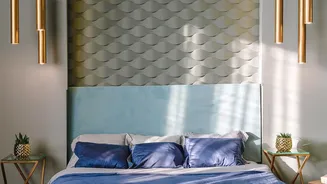
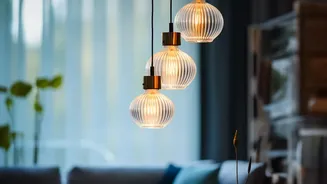
Beyond pure function, decorative lighting has become a key vehicle for personal expression. A statement chandelier or a cluster of artistic pendant lights can act as a sculptural focal point, much like a piece of art. This allows residents to infuse their homes with personality without undertaking major renovations. The materials and styles trending in India reflect a blend of global aesthetics and local sensibilities. Minimalist fixtures with clean lines are popular, as are natural materials like jute and rattan that add texture and warmth. There's also a love for warm metallic finishes like brushed brass and sculptural forms in stone or textured fabrics, which complement the earthy palettes often found in Indian interiors. The single harsh, cool-toned ceiling light is out; warm, layered, and character-filled lighting is decisively in.