





The Power Packed in a Plum
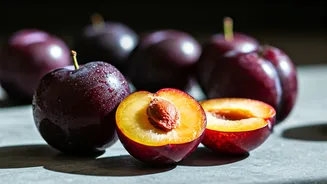
Plums are impressively nutritious for a fruit so low in calories. A single medium-sized plum contains about 30 calories and is a good source of several important vitamins and minerals. They are particularly rich in vitamin C, an antioxidant crucial for immune
function and skin health, and vitamin K, which plays a vital role in bone health and blood clotting. Additionally, plums provide a healthy dose of fiber, which is essential for digestive health, and are packed with over 15 different vitamins and minerals, including potassium, vitamin A, and various B vitamins. This makes them an excellent, nutrient-dense choice for a snack or as part of a meal.
Beyond a Sweet Treat: The Health Benefits
The benefits of incorporating plums into your diet extend far beyond basic nutrition. They are exceptionally rich in antioxidants, particularly polyphenols, which help protect your body's cells from damage caused by free radicals and reduce inflammation. This antioxidant power may help lower the risk of several chronic diseases, including heart disease. The high potassium and fiber content in plums can help manage blood pressure and lower cholesterol levels. Plums are also famous for their positive effect on digestive health. The combination of fiber and a natural sugar alcohol called sorbitol gives them a mild laxative effect, making them effective for preventing and alleviating constipation.
So, What Is the 'Plum Diet'?
While the idea of a 'plum diet' sounds appealing, it's important to approach the concept with a balanced perspective. A diet consisting exclusively or even primarily of one food, including plums, is not nutritionally sound or sustainable. A healthy eating plan relies on a variety of foods to provide a wide range of nutrients. Instead of a restrictive 'diet', think of it as embracing a 'plum-inclusive' lifestyle. The real 'heaven' is in regularly incorporating this healthy fruit into a balanced diet. Plums are low in calories and their fiber helps you feel full, which can aid in weight management. Eaten in moderation—about four to five a day for adults is a common recommendation—plums are a fantastic tool for wellness, not a restrictive rule.
Enjoying Plums Sensibly and Safely
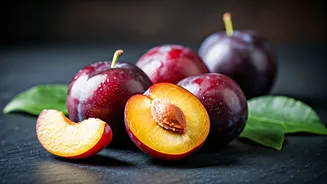
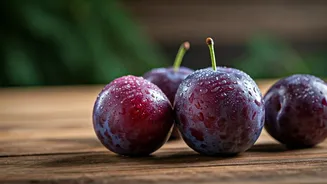
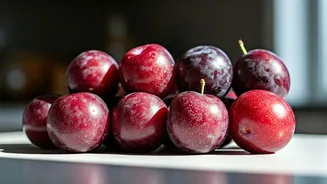
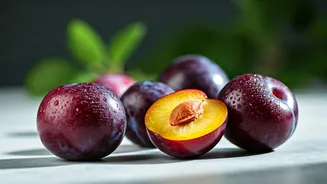
To get the most out of plums, moderation is key. Eating too many at once can lead to digestive discomfort like bloating or diarrhea due to their high fiber and sorbitol content. People with sensitive stomachs should introduce them into their diet gradually. When selecting plums, look for fruit that is plump and yields to gentle pressure. The colour can range from yellow and green to deep red and purple, depending on the variety. They can be stored at room temperature until ripe and then moved to the refrigerator. Remember to always wash them thoroughly before eating and be careful to remove the stone, as it should not be consumed.
Easy Ways to Add Plums to Your Meals
Plums are incredibly versatile and can be enjoyed in many ways beyond eating them fresh. For a simple breakfast, add sliced plums to your morning yogurt, oatmeal, or cereal. They can be blended into smoothies for a natural sweetness and a boost of fiber. In savoury dishes, plums add a surprising and delicious twist; try adding them to salads or creating a sauce or compote to pair with grilled chicken or pork. For a healthy dessert, you can bake them into a rustic galette or a wholesome crumble, using oat-based toppings for extra fiber. Cooking plums enhances their sweetness and brings out a rich, syrupy texture, making them a delightful treat.