





Bottle Gourd (Lauki/Doodhi)
A staple in almost every Indian kitchen during the monsoon, lauki is a perfect vegetable for Shravan fasting. With its high water content (nearly 90%), it is incredibly hydrating and cooling for the body, which helps soothe the digestive system and prevent
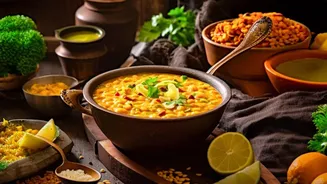
acidity. According to Ayurveda, the monsoon season can weaken digestive fire, making easily digestible foods like lauki an ideal choice. It is also extremely low in calories and high in dietary fibre, which aids in keeping you full and supports weight management. During Shravan, when many avoid onion and garlic, lauki's mild flavour shines. It can be used to make simple curries with rock salt (sendha namak) and cumin, blended into a raita, or even transformed into a delicious halwa for a vrat-friendly dessert.
Sweet Potato (Shakarkandi)
Sweet potato is a powerhouse of nutrients and a favoured food during Hindu fasts like Navratri and Shravan. Unlike regular potatoes, they are packed with fibre and complex carbohydrates, which provide a steady release of energy, keeping you feeling full and energetic for longer. This makes shakarkandi an excellent choice to sustain you through a long day of fasting. Rich in essential vitamins like A and C, it also helps in supporting your immune system. Its natural sweetness makes it incredibly versatile. You can simply boil or roast it and have it as a chaat with a sprinkle of rock salt and lemon juice, make pan-fried tikkis, or even prepare a creamy halwa.
Ridge Gourd (Turai)
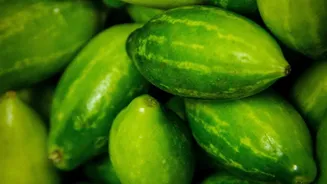
Another monsoon favourite, ridge gourd is a light and nutritious vegetable that fits perfectly into a sattvic diet. It is loaded with water, dietary fibre, vitamins A and C, and essential minerals like iron and magnesium. Its high fibre content aids digestion and helps prevent constipation, a common concern for some during fasting periods. Furthermore, turai is known to have a cooling effect on the body and can help manage acidity. In terms of cooking, its spongy texture absorbs flavours well. Prepare a simple sabzi using cumin, green chillies, and sendha namak, or add it to a mixed vegetable curry with other vrat-friendly ingredients like potato and pumpkin.
Colocasia (Arbi)
Both the root (arbi) and its leaves (arbi ke patte) are consumed during Shravan, offering a wealth of nutrients. The root is a good source of dietary fibre, potassium, and vitamins C and E. Its high fibre content promotes digestive health and helps in managing blood sugar levels by ensuring a slow release of energy. The leaves are a nutritional powerhouse, rich in vitamins A and C, iron, and calcium. Vitamin A is crucial for good vision, while vitamin C boosts immunity. For fasting, arbi can be boiled and then pan-fried with mild spices to make a delicious dry sabzi. The leaves can be used to make patra, a classic snack, by using vrat-friendly flours like water chestnut flour (singhare ka atta) for the batter.
Banana (Kela)
Bananas, both raw and ripe, are an essential part of the Shravan diet. Ripe bananas are an excellent source of instant energy, potassium, and fibre, making them a perfect fruit to break a fast or to have as a quick snack. They help in replenishing electrolytes and preventing fatigue. Raw bananas are also permitted and are often used as a vegetable substitute. They can be boiled and mashed to make tikkis, sliced to make chips (fried in ghee), or cooked into a simple curry. This versatility allows you to incorporate bananas into your meals in both sweet and savoury forms, ensuring you get a good dose of energy and nutrients throughout the month.
Seasonal Fruits and Nuts
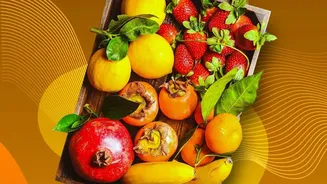
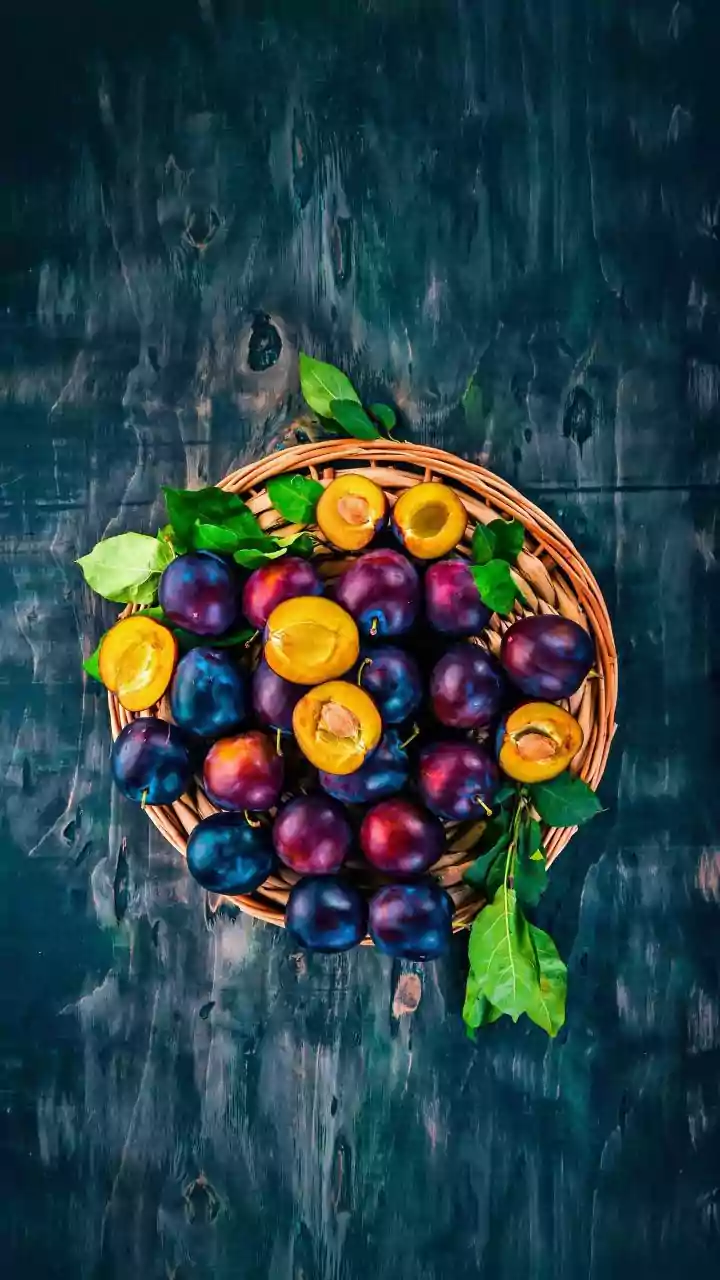
Beyond these vegetables, a variety of seasonal fruits are highly recommended during Shravan. Apples, pomegranates, and papayas are great choices that provide natural sugars, hydration, and essential vitamins. Incorporating a bowl of mixed fruits or a glass of fresh juice can keep your energy levels stable. Dry fruits and nuts like almonds, walnuts, and makhana (fox nuts) are also crucial. They are dense in protein, healthy fats, and minerals, providing sustained energy and satiety. A handful of roasted makhana or soaked almonds can be an excellent snack to curb mid-day hunger pangs and keep you nourished.