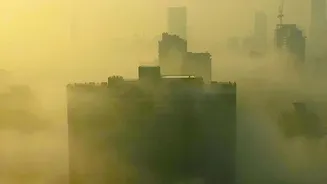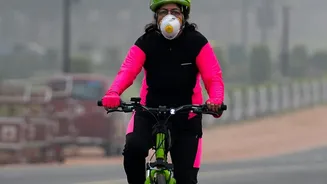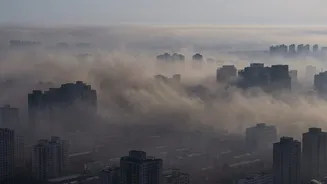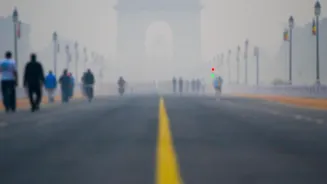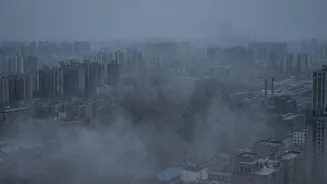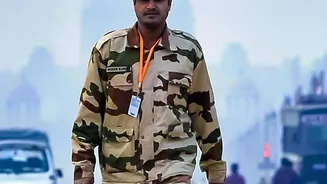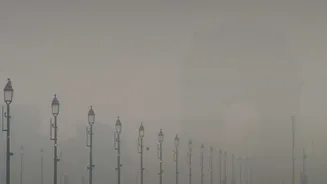






For millions in Delhi, November brings a familiar dread. As temperatures drop, a thick, toxic smog descends upon the city, blurring skylines and turning the simple act of breathing into a health hazard. This is more than just bad weather.
A City Gasps for Air
As of mid-November
2026, Delhi's air quality has once again plummeted. On Thursday, November 12, the city's overall Air Quality Index (AQI) was recorded in the 'very poor' category, settling at 323. However, this figure, a city-wide average, masks the more dangerous reality in various neighbourhoods where the AQI has frequently crossed the 400-mark, tipping into the 'severe' category. An AQI between 301 and 400 is considered 'very poor', posing a risk of respiratory illness on prolonged exposure, while 'severe' levels above 401 can affect healthy people and seriously impact those with existing diseases. The primary culprits are fine particulate matter, PM2.5 and PM10, which are small enough to penetrate deep into the lungs and even enter the bloodstream. This annual crisis is fuelled by a combination of factors, including post-Diwali pollution, smoke from stubble burning in neighbouring states, and meteorological conditions that trap pollutants close to the ground.
The Toll on Physical Health
The impact on residents' health is immediate and relentless. Hospitals report a surge in patients with respiratory complaints, including coughing, wheezing, and shortness of breath. For the city's vulnerable populations—children, the elderly, and those with pre-existing conditions like asthma and heart disease—the toxic air can be life-threatening. Studies show that poor air quality has led to irreversible lung damage in over two million children in Delhi. The long-term consequences are just as grim. Continuous exposure to high levels of pollution is linked to chronic obstructive pulmonary disease (COPD), an increased risk of lung cancer, heart attacks, strokes, and hypertension. Research indicates that deaths associated with air pollution in Delhi often occur at a younger age, resulting in a greater loss of life-years compared to other global cities.
Life Disrupted and Confined
Beyond the direct health crises, the pervasive smog fundamentally alters the fabric of daily life. The simple freedom of being outdoors is curtailed. Morning walks are cancelled, children are kept indoors, and schools are sometimes forced to shut down for days, disrupting education. To combat the crisis, authorities have implemented a 'Winter Action Plan' which, as of November 2026, includes restrictions on construction activities and mandates that 50% of office staff work from home to reduce traffic. While necessary, these measures create their own set of challenges, impacting livelihoods and routines. Many residents invest in expensive air purifiers for their homes, creating 'clean air bubbles' in an attempt to find respite—a luxury unavailable to the city's economically weaker sections who often work outdoors and bear the brunt of the exposure.
The Economic and Mental Burden
The economic cost of Delhi's pollution is staggering. It leads to lost productivity due to illness, increased healthcare expenditures, and a downturn in sectors like tourism and retail as people avoid going out. One estimate suggests air pollution costs India around 3% of its GDP annually due to lost productivity and premature deaths. But the cost is not just financial. A growing body of evidence points to a significant mental health toll. Living under a constant grey haze, feeling trapped, and worrying about the health of one's family contributes to 'pollution anxiety', stress, and depression. Experts note that pollutants can trigger inflammation that affects brain functions related to mood regulation, leading to irritability, fatigue, and a diminished sense of well being. For many, the annual return of the smog brings a feeling of helplessness and environmental stress.