






The Monsoon's Economic Lifeline
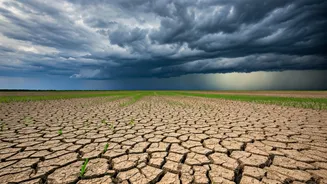
The southwest monsoon is more than just a weather event; it's the backbone of India's $300 billion agricultural economy. It provides about 70% of the country's annual rainfall, and with nearly half the workforce employed in agriculture, its performance
is critical. A significant portion of India's farmland is rain-fed, making crops like rice, pulses, oilseeds, and cotton highly dependent on seasonal showers for their growth and yield. A healthy monsoon boosts farm incomes, which in turn fuels rural demand for everything from tractors to consumer goods, creating a positive ripple effect across the entire economy.
From Forecast to Market Fear
The disruption begins not with a lack of rain, but with the prediction of it. When agencies like the India Meteorological Department (IMD) forecast a 'below-normal' monsoon, as they have for 2026, it triggers a chain reaction. This 'weak monsoon talk' creates uncertainty and fear in the commodity markets. Traders, wholesalers, and even large-scale food processors anticipate a future shortfall in crop production. This anticipation can lead to speculative behaviour, where traders may start hoarding essential commodities to sell them at a higher price later when supply tightens. This activity can artificially inflate prices well before any actual crop damage has occurred.
The Psychology of Price Hikes
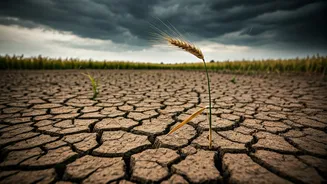
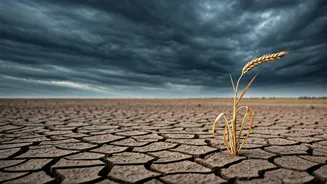
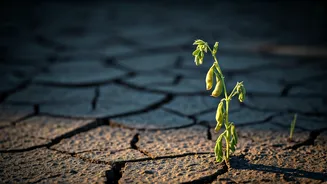
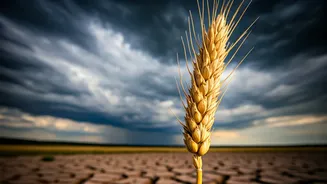
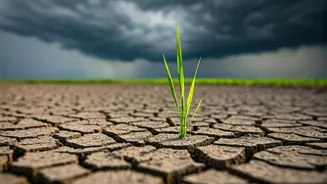
Market sentiment plays a powerful role. Negative forecasts, often amplified by news reports about rainfall deficits, create a perception of impending scarcity. As of late June 2026, rainfall was reported to be over 40% below normal, intensifying these concerns. This can become a self-fulfilling prophecy. Even if the monsoon later recovers, the initial panic-buying and hoarding by middlemen can drive up wholesale and, eventually, retail prices. For consumers, this means the cost of vegetables, pulses, and edible oils can start to climb based on fear and speculation, not just actual supply. The Reserve Bank of India (RBI) has repeatedly flagged a weak monsoon as a key risk to the nation's inflation outlook, highlighting how closely sentiment is tied to economic reality.
Which Foods Are Most Vulnerable?
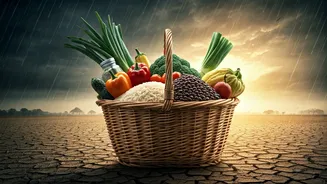
Not all food items are affected equally. Staples like rice and wheat often have a buffer due to large government-held stockpiles and better irrigation coverage. However, these reserves don't cover everything. Rain-fed crops are far more vulnerable. Pulses (daals), coarse cereals, oilseeds (from which cooking oils are made), and vegetables are highly susceptible to price swings caused by erratic rainfall. These are the items where consumers are likely to feel the pinch first, as their supply is more directly and immediately linked to the monsoon's performance in specific growing regions.
How the Government Responds
The government and the RBI are not idle spectators. The central bank closely monitors the situation, as high food inflation can force it to consider raising interest rates to control prices, which can slow overall economic growth. On the ground, the government prepares for the worst. For 2026, it has already identified 315 districts vulnerable to deficient rainfall and has activated contingency plans. These plans include advising farmers to switch to less water-intensive crops like millets, ensuring the availability of seeds for alternative crops, and promoting water conservation efforts. The government can also release food stocks into the open market to stabilize prices and curb hoarding, acting as a crucial buffer against sharp price shocks.