




Choose Your Destination Wisely
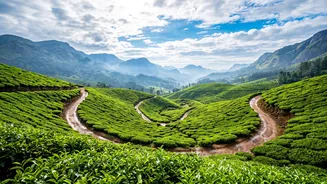
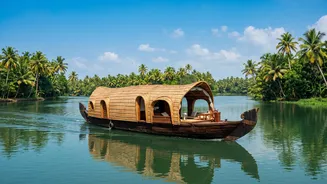
Not all destinations are created equal during the monsoon. While places like Lonavala, Coorg, Munnar, and Udaipur come alive with rain-washed beauty, others become risky. It is crucial to research your chosen location for its monsoon conditions. Hill
stations in regions prone to heavy rainfall might face landslides, while certain coastal areas could experience flooding. Check weather forecasts not just before you leave, but also during your trip. Opt for destinations known for their monsoon charm, such as the Western Ghats or parts of Rajasthan, where the rains bring respite and scenic beauty without extreme risks. Avoiding regions with active weather alerts can save you from being stranded.
A Smart Monsoon Packing List
Packing for a monsoon trip is about managing dampness. Swap out cotton for lightweight, synthetic clothes that dry quickly. A reliable raincoat or poncho is more practical than an umbrella, which can be useless in strong winds. Waterproof footwear with a good grip is non-negotiable for navigating slippery paths. To protect your valuables, use waterproof bags, dry sacks, or even simple zip-lock pouches for your phone, wallet, and power bank. It’s also wise to pack extra pairs of socks and a separate bag for wet clothes to keep them from spoiling the dry items in your luggage. Including silica gel packets in your electronics bag can absorb excess moisture.
Prioritise Health and Hygiene
The monsoon season can bring a spike in water-borne diseases and mosquito populations. To stay healthy, avoid street food, especially items that are uncooked or have been sitting out. Drink only bottled or purified water to prevent infections like cholera and typhoid. Carry a basic first-aid kit with essentials for flu, fever, and indigestion, along with antiseptic wipes and hand sanitiser. An effective insect repellent is a must to protect against mosquito-borne illnesses such as dengue and malaria. Washing your hands frequently and changing out of wet clothes immediately are simple but effective habits for staying healthy.
Ready Your Vehicle for Wet Roads
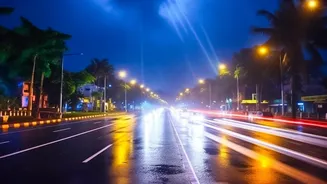
If you are planning a road trip, a pre-trip vehicle check is vital. Ensure your car’s tyres have adequate tread, the brakes are responsive, and the windshield wipers are in perfect working condition. All lights, including headlights, tail-lamps, and fog lights, should be functional for clear visibility in downpours. Drive slowly, maintain a safe distance from other vehicles, and avoid driving through waterlogged streets where possible. It's also a good practice to check the route in advance for any news of closures or diversions and to have emergency contact numbers readily available.
Embrace a Flexible Itinerary
The one thing you can count on during a monsoon trip is unpredictability. Rains can cause sudden delays, from flight schedule changes to road closures. The smartest approach is to build buffer days into your itinerary and avoid a packed schedule. This allows you to travel at a relaxed pace without the stress of missing a connection. Have backup plans, like identifying indoor activities such as visiting a museum or a local café, in case heavy rain ruins your outdoor plans. Ultimately, the best monsoon trips happen when you work with the weather, not against it, allowing for spontaneous rests and unplanned discoveries along the way.