






Understanding the Enemy: The Causes of Damp
Dampness in Indian homes is a common but serious issue, often exacerbated by the monsoon season. It is generally caused by one of three culprits. The first is condensation, which is the most common type. It happens when warm, moist air from activities
like cooking or showering meets a cooler surface, like a wall or window, and turns into water droplets. The second is penetrating damp, where water from outside gets in through cracks in walls, a faulty roof, or damaged gutters. This is a frequent issue during heavy rains. The final type is rising damp, where groundwater travels up through the porous materials of your walls, like bricks and mortar, via capillary action. This usually happens when a building's damp-proof course is damaged or missing.
Early Warning Signs: How to Spot Trouble
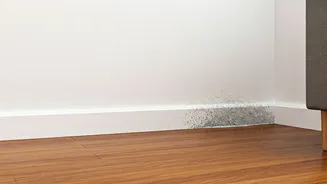
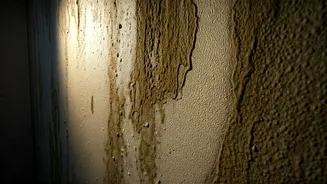
Catching dampness early can save you significant trouble and expense. The most obvious signs are visual and olfactory. A persistent musty or earthy smell is a classic red flag, even if you can't see any mould. Visually, look for dark, discoloured patches or stains on walls and ceilings. Other tell-tale signs include paint that is bubbling, flaking, or peeling, and wallpaper that is lifting away from the wall. In cases of rising damp, you might see a 'tide mark' on the wall or find salt-like crystals on the plaster. Condensation is often visible as water droplets on windows or walls, particularly in bathrooms and kitchens. If left unchecked, this moisture creates the perfect environment for black mould to grow, often in corners or behind furniture.
Your First Defence: Simple Prevention Tactics
Prevention is always better than cure, and you can take several simple steps to keep your home dry. The most crucial strategy is to ensure good ventilation. Open windows and doors regularly to allow air to circulate, especially after a rain shower or on cooler mornings. Use exhaust fans in kitchens and bathrooms to expel moist air. Before the monsoon season, it's wise to inspect your home's exterior. Check for and seal any cracks in the walls, window frames, or door frames. Ensure your roof is in good repair and that gutters and downpipes are clean and not blocked with leaves or debris, which can cause water to overflow and penetrate walls.
Fighting Back: DIY Solutions for Minor Damp
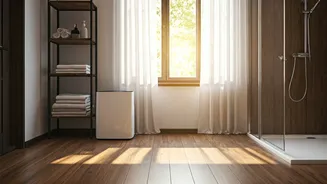
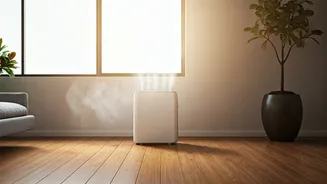
For minor issues with condensation or small damp patches, there are several effective DIY remedies. A dehumidifier is an excellent investment for controlling indoor moisture levels, especially in humid climates or rooms prone to dampness. For a low-tech solution, place bowls of rock salt or baking soda in damp corners or cupboards; they are great natural absorbents. If you spot small areas of mould, you can clean them yourself. Wipe the mould off the wall with a cloth dipped in a mild detergent solution, then use a dry rag to remove any remaining moisture. It's important to discard the cloth afterwards to avoid spreading spores. Wiping down condensation from windows and walls promptly also helps prevent mould from taking hold.
Knowing When to Call for Professional Help
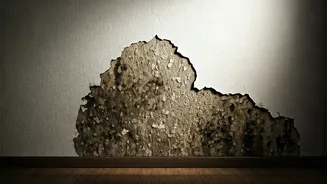
While DIY methods are useful, some situations require professional expertise. You should call a specialist if you have a large damp patch (over one metre), or if damp patches or mould keep returning after you've cleaned them. Persistent musty smells that don't go away are another sign that the problem might be more than superficial. Structural issues like crumbling plaster, decaying woodwork, or tide marks that reappear after painting suggest a problem like rising damp that needs a professional diagnosis. If you suspect a leak from plumbing, your first call should be to a plumber. For issues related to the roof or external walls, a builder or damp specialist can identify and fix the root cause, preventing temporary fixes from becoming a recurring headache.