
Good Fats vs. Bad Fats
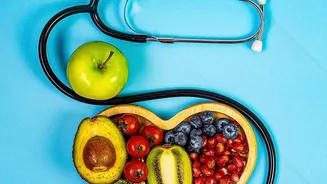
So, what makes a fat 'good'? It comes down to its chemical structure. Unsaturated fats, which are liquid at room temperature, are considered beneficial because they can help improve blood cholesterol levels, reduce inflammation, and stabilize heart rhythms.
There are two main types: monounsaturated and polyunsaturated fats. Monounsaturated fats are found in foods like groundnut oil, avocados, almonds, and sesame seeds. Polyunsaturated fats, which include essential omega-3 and omega-6 fatty acids, are present in walnuts, flaxseeds (alsi), sunflower seeds, and fatty fish. The goal isn't to eliminate fat, but to replace unhealthy saturated and trans fats—often found in highly processed and fried foods—with these healthier unsaturated options. Studies show that making this swap can significantly lower your risk of heart disease.
Why Your Heart Loves Them
The connection between unsaturated fats and heart health is well-established. When you eat 'good' fats in place of 'bad' ones, they help lower LDL (low-density lipoprotein), the 'bad' cholesterol that can clog your arteries. At the same time, they can increase HDL (high-density lipoprotein), the 'good' cholesterol that helps clear plaque away. This simple dietary shift is powerful; one major review found that replacing saturated fats with polyunsaturated vegetable oils could reduce heart disease risk by up to 30%, an effect comparable to some cholesterol-lowering medications. These fats also play a role in reducing overall inflammation and maintaining your body's cells, contributing to long-term wellness and protecting your cardiovascular system.
Recipe 1: Quick Spiced Nut & Seed Mix
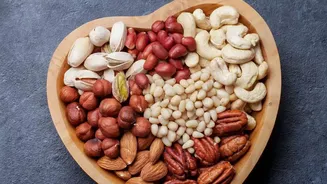
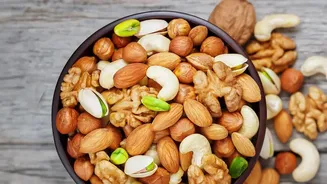
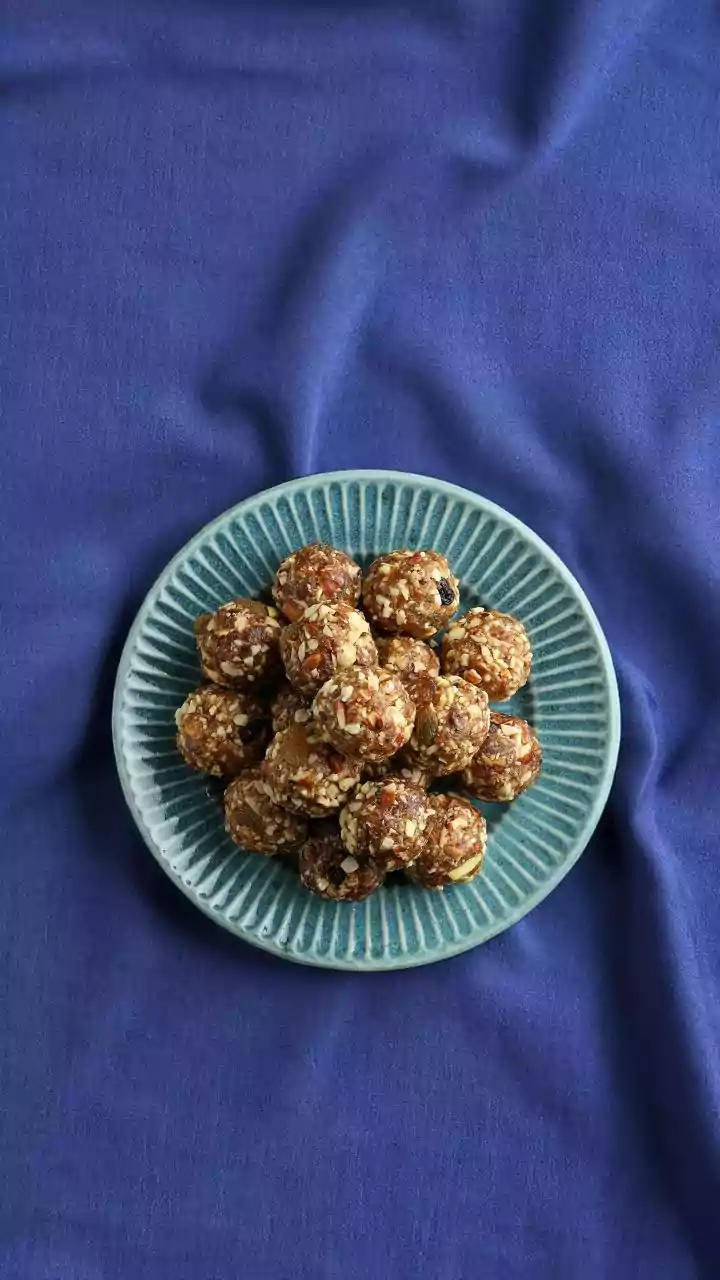
This endlessly customisable mix is a fantastic source of both mono- and polyunsaturated fats, protein, and fibre. Nuts and seeds like almonds, walnuts, and pumpkin seeds are nutritional powerhouses. This recipe takes just minutes to prepare. Step 1: In a bowl, combine one cup of mixed raw, unsalted nuts and seeds (like almonds, walnuts, and pumpkin seeds). Add half a teaspoon of your favourite spices like curry powder or chaat masala, a pinch of salt, and a teaspoon of maple syrup or honey. Step 2: Toss everything together until the nuts and seeds are evenly coated. Spread the mixture in a single layer on a baking sheet. Step 3: Bake at 160°C for 15-20 minutes, stirring halfway through, until they are lightly toasted and fragrant. Let them cool completely before storing in an airtight container.
Recipe 2: Creamy Avocado Papdi Chaat
Avocado, or 'butter fruit', has become a popular source of monounsaturated fats in India. This recipe gives a desi twist to the creamy fruit, turning it into a lip-smacking chaat that's ready in no time. Step 1: In a bowl, gently mash one ripe avocado, leaving it slightly chunky. Add finely chopped onion, tomato, and a squeeze of lemon juice. Step 2: Arrange a layer of whole wheat papdis on a plate. Top each papdi with a spoonful of the avocado mixture. You can also add boiled potatoes or sprouts for extra texture. Step 3: Drizzle with tamarind and green chutneys, and sprinkle generously with sev, roasted cumin powder, and chaat masala before serving immediately.
Recipe 3: Easy Hummus with Olive Oil
Hummus is a delicious dip made from chickpeas and tahini (sesame paste), both excellent sources of healthy fats and protein. Drizzling it with extra virgin olive oil—a star source of monounsaturated fat—elevates its flavour and health benefits. Step 1: In a blender, combine one can of rinsed chickpeas, two tablespoons of tahini, the juice of one lemon, and one clove of garlic. Blend until it begins to get smooth. Step 2: With the blender running, slowly stream in two to three tablespoons of cold water until the hummus reaches a creamy, fluffy consistency. Season to taste with salt. Step 3: Transfer the hummus to a bowl, make a swirl on top with a spoon, and drizzle generously with extra virgin olive oil. Serve with whole-grain crackers or fresh vegetable sticks like cucumber and carrots.