








Why The Rains Change Our Appetite
The monsoon brings relief from scorching heat, but it also ushers in a period of high humidity and a higher risk of water-borne ailments. According to Ayurveda, this is the season when our 'agni', or digestive fire, is at its weakest. The body's channels
(srotas) can become clogged due to the damp, cool atmosphere, leading to sluggishness, indigestion, and bloating. This is why that extra plate of fried snacks, so tempting in the rain, often leaves us feeling heavy and lethargic. Our bodies are naturally signalling a need for food that is easy to process, nourishing, and protective. This ancient understanding of seasonal eating is now finding a renewed voice in modern Indian kitchens, driven by a growing consciousness around wellness and gut health.
The Ancient Wisdom of Sattvik Food
Enter the Sattvik diet. More than just a set of rules, it’s a philosophy rooted in Ayurveda that categorises food based on its effect on the body and mind. Sattvik foods are considered pure, natural, and vitalising. They are light, fresh, and easy to digest, promoting clarity, calmness, and energy. Think freshly cooked vegetables, seasonal fruits, whole grains like barley and old rice, and moderate use of warming spices like ginger, turmeric, and black pepper. This approach stands in contrast to 'Rajasic' foods (overly spicy, oily, or stimulating, like caffeine and onions) and 'Tamasic' foods (heavy, stale, or processed, like deep-fried items and red meat), which are believed to cause restlessness or dullness, respectively. During the monsoon, a Sattvik approach naturally aligns with the body's needs, helping to boost immunity and keep the digestive system happy.
The Modern Monsoon Pantry
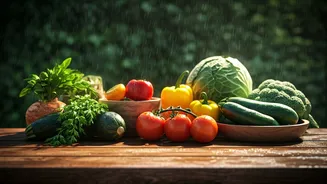
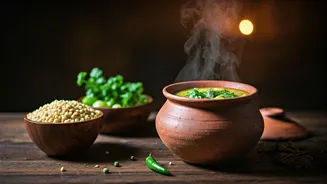
So what does a seasonal, Sattvik-inspired monsoon plate look like? It’s less about deprivation and more about intelligent choices. Instead of heavy curries, the focus shifts to light 'jhol' or stews. Vegetables like lauki (bottle gourd), turai (ridge gourd), parwal (pointed gourd), and pumpkin take centre stage, as they are high in water content and easy on the stomach. While many leafy greens are avoided due to the risk of dirt and germs, well-cooked and cleaned options can be included. Lentils are prepared in simpler forms, like a light moong dal soup seasoned with asafoetida (hing) and cumin. Fermented foods, heavy dairy, and raw salads are generally minimised. The humble khichdi, often dismissed as 'sick person food,' is celebrated as the perfect monsoon meal—a balanced, detoxifying dish that comforts and nourishes in equal measure.
Chefs and Restaurants Embrace the Trend
This isn’t just a home-kitchen phenomenon. Restaurants and chefs across the country are responding to the demand for healthier, more thoughtful food. Many are curating special monsoon menus that highlight seasonal produce and lighter cooking techniques. You’ll find steamed or grilled dishes replacing deep-fried appetisers, and coconut- or yoghurt-based curries giving way to lighter, broth-based preparations. Chefs are championing local and hyper-seasonal ingredients, building narratives around food that is not only delicious but also functionally beneficial for the season. This marks a significant evolution from monsoon menus that once solely promoted indulgent, fried comfort foods. Today’s diner is more informed, seeking an experience that feels both celebratory and restorative, and the food industry is taking note.