






Your New Best Friend: The Compression Pouch
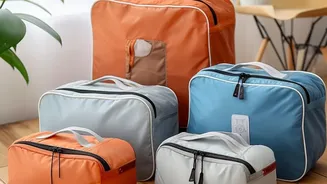
Vacuum compression pouches are essentially heavy-duty plastic bags with a one-way valve and a zip-top closure. The magic is simple: you place your soft goods inside, seal the bag, and then remove the air. Some require a small hand pump or even a household
vacuum, while travel-specific versions are designed to be rolled by hand, forcing the air out through the valve. The result is that bulky items like t-shirts, shorts, and towels are compressed into a dense, flat package, dramatically reducing their volume. It is important to remember that this process reduces space, not weight. While your bag will be less bulky, you are more likely to overpack and exceed airline weight limits if you are not careful.
The Right Way to Compress
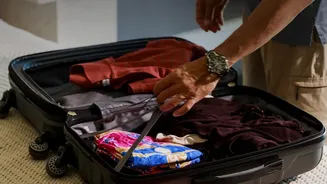
Using these pouches effectively is an art. First, ensure every item you pack is completely dry. Trapping even a little dampness can lead to musty smells or mildew, especially in a humid environment. Fold your clothes neatly or roll them to minimise harsh creases. While some wrinkling is inevitable with compression, neat folding helps. Place the items flat inside the bag, being careful not to overfill. Leave a couple of centimetres of space before the zip closure to ensure a strong seal. Once sealed, remove the air according to the bag’s instructions. For roll-up bags, start from the zip end and roll tightly towards the valve end, pushing the air out as you go. For pump versions, attach the pump to the valve and remove the air until the bag is firm and flat.
Fighting Humidity and Musty Odours
Humidity is the sworn enemy of fresh clothes. Because compression bags are airtight, they will trap any odours or moisture packed with your clothes. To combat this, air out everything before packing. Consider tucking a couple of scented dryer sheets or silica gel packets inside your suitcase (but outside the sealed bags) to absorb ambient moisture and keep things smelling fresh. Some travellers also use cotton balls with a few drops of essential oil like lavender or lemon, placed in a small pouch to prevent direct contact with fabrics. Upon arrival, unpack your compressed clothes immediately. Shake them out and hang them up to let the fabric breathe and release wrinkles.
What to Pack for a Humid Weekend
For a hot and humid destination, your fabric choices are critical for comfort. Prioritise lightweight, breathable materials that handle moisture well. Linen, lightweight cottons, and chambray are excellent choices as they allow for better airflow. Seersucker is another great option, as its naturally puckered texture keeps the fabric from sticking to your skin. These fabrics are perfect for compressing. Think linen shirts, cotton shorts, and simple sundresses. It is best to avoid compressing delicate fabrics like silk or structured items like blazers. Also, remember that you’ll need to repack for the journey home, so ensure your pouch system (especially if it requires a specific pump) is practical for your hotel room.