




What Exactly Are Flat Twists?
A flat twist is a versatile protective style where two strands of hair are twisted together flat against the scalp. Unlike a traditional two-strand twist that hangs freely, a flat twist is created by continuously adding hair from the scalp as you go,
similar to a cornrow. However, the technique uses a two-strand twisting motion rather than a three-strand braid, which often results in less tension on the scalp and edges. This makes it an excellent option for those with fine hair or sensitive scalps. The result is a sleek pattern that sits close to the head, providing a polished look that can be worn as is or as the foundation for a voluminous 'twist-out'.
The Secret to Incredible Volume
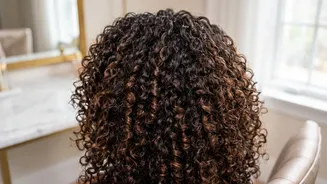
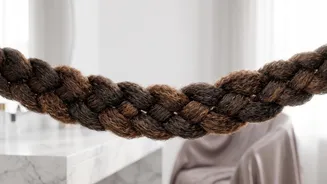
The magic of the flat twist lies in its unique structure. While the base of the twist lays flat against the scalp, the length of the twist has a round, rope-like shape. When you eventually take the twists down, this foundation creates a well-defined, elongated curl pattern. Unlike individual two-strand twists, which can sometimes result in more shrinkage, flat twists can help stretch the hair. The result after takedown is a burst of volume at the roots and a consistent, springy curl from root to tip. This method is particularly effective for creating a full, dynamic look without sacrificing definition.
Your Step-by-Step Guide to Perfect Flat Twists
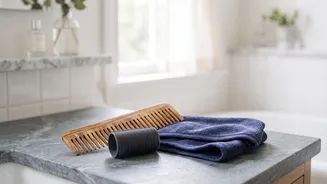
Ready to try it yourself? Achieving flawless flat twists is all about preparation and technique. Start with freshly washed, conditioned, and thoroughly detangled hair. Your hair should be damp but not dripping wet. Use a rat-tail comb for clean parting and clips to keep other sections tidy. First, section your hair according to your desired style. Take a small section at your hairline and divide it into two equal strands. Begin by twisting these two strands over one another once. Then, as you continue twisting, use your finger to gather a small amount of adjacent hair and add it to one of the strands before you twist again. Keep the twist close to the scalp and maintain consistent tension—snug, but never painful. Continue this process until you reach the end of the section, then complete the length as a regular two-strand twist.
Choosing the Right Products for Hold and Moisture
The products you use are crucial for a successful style. A good twist-out starts on wash day. After cleansing and conditioning, apply a moisturizing leave-in conditioner to give your hair slip and hydration. For the twisting process, a styling cream, twisting butter, or curl-defining custard will provide the hold and definition you need. Look for products with ingredients like shea butter and natural oils to keep hair moisturized without weighing it down. A light mousse can also be applied for a flexible hold and to combat frizz. When taking the twists down, use a light oil on your fingertips to minimize frizz and add shine.
Making Your Style Last
With proper care, a flat twist style can last for one to two weeks, and sometimes longer. The most important step for maintenance is protecting your hair at night. Always sleep with a satin or silk bonnet or scarf, or use a satin pillowcase. This reduces friction that can cause frizz and lead to your twists becoming messy. If your twists need a refresh, you can lightly spritz them with a water-based leave-in spray and re-twist any sections that have come loose. To keep the style looking neat, avoid over-manipulating your hair. The less you touch it, the longer it will stay defined.
The Takedown: Revealing Your Best Twist-Out
The takedown is just as important as the installation. Make sure your twists are completely dry before you begin to unravel them; taking them down while damp is a fast track to frizz. Lightly coat your fingertips with oil to prevent creating frizz as you separate the twists. Gently unwind each twist, and then carefully separate the resulting curls to create your desired level of volume. For extra lift, you can use a hair pick at the roots, being careful not to comb through the lengths of your hair, which would disrupt the curl pattern.