


Why Raw Foods Are Riskier in Monsoon
The rainy season creates a perfect storm for foodborne illnesses. High humidity and ambient temperatures between 25°C and 40°C create ideal conditions for harmful bacteria like E. coli and Salmonella to multiply rapidly. Heavy rainfall can lead to waterlogging,
causing sewage to contaminate the water supply used to irrigate vegetables. This contaminated water, along with increased moisture in the air, makes fresh produce, especially leafy greens and pre-cut items, highly susceptible to spoilage and hosting pathogens. Street food vendors, in particular, face challenges in maintaining hygiene, often using untreated water or leaving food exposed to flies and dust, increasing the risk of diseases like gastroenteritis, typhoid, and hepatitis A.
Your At-Home Defence Strategy
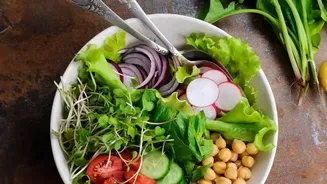
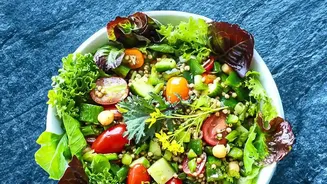
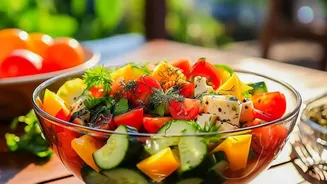
Enjoying a crisp salad at home is entirely possible with the right precautions. The key is a thorough cleaning process. Start by washing all vegetables and fruits under clean, running water. For leafy greens like spinach and cabbage, where dirt can hide in crevices, it's best to soak them. A common recommendation is to soak produce for about 10-15 minutes in a solution of water and vinegar or salt before a final rinse. After washing, drying the produce properly with a clean cloth or paper towel is a crucial step, as residual moisture can encourage bacterial growth. Using purified or boiled water for all washing and preparation provides an additional layer of safety.
Choosing Safer Ingredients
Not all raw vegetables carry the same level of risk. During monsoon, it's wise to favour produce that is easier to clean. Vegetables with a firm structure are generally safer than delicate leafy greens. If you are set on using leafy greens, consider steaming or blanching them lightly before adding them to your salad. This process can kill many surface-level microbes without completely cooking the vegetable. For fruits, those with thick, inedible peels like bananas, pomegranates, and oranges offer better protection as the edible part is shielded from external contaminants until you peel it. When buying any produce, always inspect it for firmness, bright colour, and an absence of bruises, mould, or soft spots.
Street Food Smarts: The Cut Fruit Dilemma
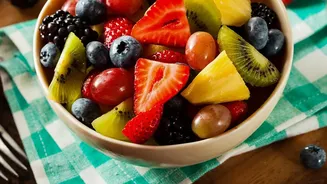
The sight of a colourful fruit chaat cart is tempting, but pre-cut fruits sold by street vendors are one of the riskiest foods during the monsoon. These fruits are often left exposed for long periods, attracting dust and flies, and may have been washed or cut with contaminated water and knives. If you must indulge, a safer bet is to buy whole fruits. Choose a vendor who appears to maintain a clean cart and surroundings. Ask them to peel and cut the fruit in front of you. However, the safest option by far is to purchase whole fruits, take them home, and follow the rigorous washing and preparation steps yourself before consumption.
Preparation and Storage Best Practices
To prevent cross-contamination in your kitchen, use separate cutting boards and utensils for raw vegetables and other foods like raw meat. Once your salad is prepared, it's best to consume it immediately. The longer chopped vegetables sit at room temperature, the more opportunity there is for bacteria to grow. This applies to dressings as well; prepare them fresh and add them just before serving. When it comes to storage, keep washed and dried vegetables in clean containers in the refrigerator and try to use them within a few days to ensure freshness. Avoid over-stuffing your refrigerator to allow for proper air circulation, which helps in extending the shelf life of your produce.